Blog
Terraces and outdoor spaces: ideas to live outside as an extension of the home
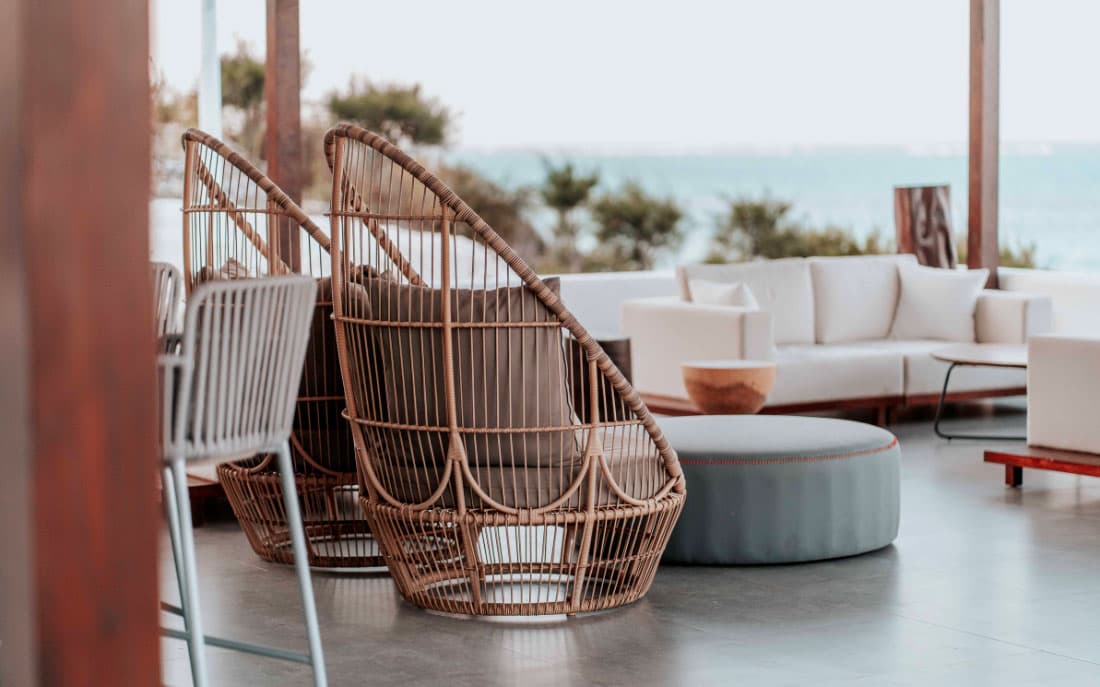
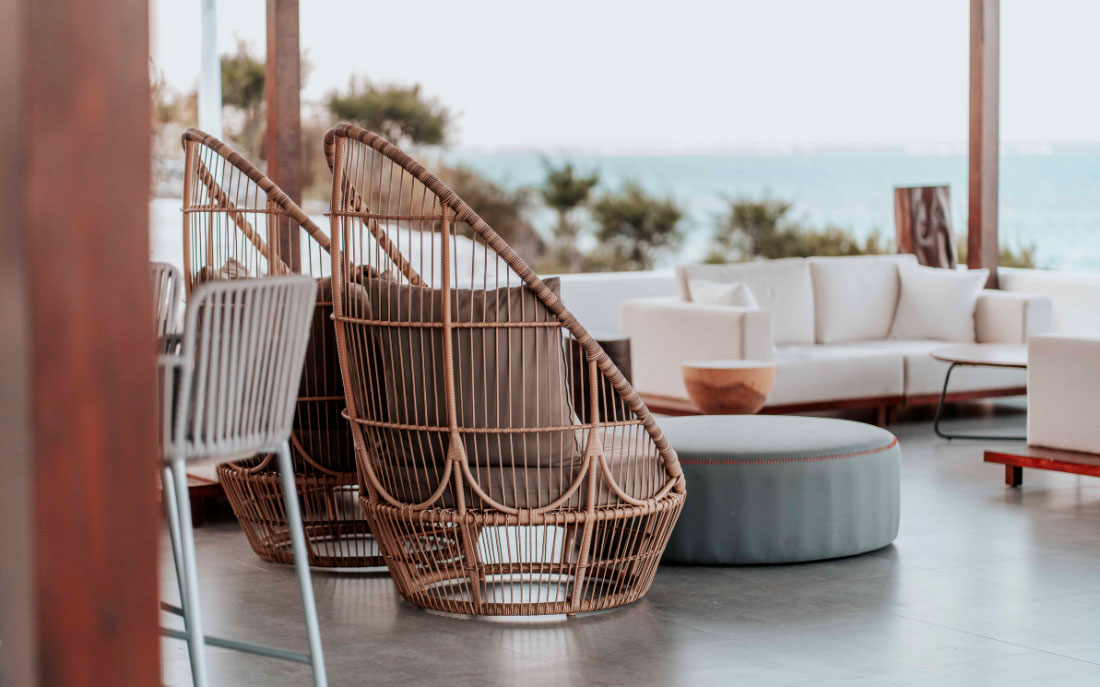
Outdoor spaces have always been a profound desire of those who live in the house. A balcony, a terrace, a patio or a small garden represent a threshold between inside and outside, between the comfort of the home and the freedom of the outdoors. But these spaces are often overlooked, considered "service" or simply accessories. In recent years, however, also thanks to a renewed need for connection with nature and with oneself, the way of experiencing the outdoors is changing. It's no longer just a place to hang out the laundry or put two chairs. It is a real extension of the house. A space to inhabit, furnish, experience on a daily basis - in all seasons.
In this article, we will explore how to design and enhance terraces and outdoor spaces with an approach that takes into account aesthetics, functionality and well-being. Because even a few square meters in the open air can be transformed into a personal refuge, a place of conviviality, a corner of relaxation. If designed carefully.
Why treat the outdoors as an integral part of the home
Often when we think about interior design, we focus on internal spaces: kitchen, living room, sleeping area, bathrooms. But the real design turning point comes when this boundary is crossed and the outdoors begins to be considered an integral part of the housing project.
A well-designed terrace can become an extension of the living area, an environment where you can read, work, receive friends. A well-kept balcony can be transformed into a regenerating green corner. A small courtyard can accommodate summer dinners, moments of play, physical exercise.
The point is that outdoor spaces have the same potential as indoor ones. Except that they are often not valued. Yet, very little is needed: a coherent choice of materials, thoughtful lighting, functional and resistant furniture, a few well-placed details. The result may surprise.
Continuity between inside and outside: the design key
One of the most fascinating (and most effective) aspects of designing an outdoor space is that of creating continuity with the interior. This does not mean replicating the same furnishings, but establishing a dialogue between environments.
This can happen through color, choosing shades that recall those present in the living area. Or through materials: using wood, metals, ceramics similar to those used inside the house helps to make the outside a natural continuation.
Even the arrangement of the elements can follow a coherent logic. If the living room is open and convivial, the terrace can accommodate a dining area or a sitting area. If the room is intimate and relaxing, the adjacent outdoor space can accommodate a chaise longue, an outdoor tub, or simply a reading corner.
The final sensation must be that of a single project, of a fluid house, where boundaries blur and the quality of life extends.
Materials and furnishings: choose carefully
When it comes to outdoors, the choice of materials is fundamental. They must be resistant to atmospheric agents, but also consistent with the overall aesthetics of the house.
Treated wood, for example, is a warm and welcoming choice, perfect for those who want a natural and enveloping effect. The more resistant essences (such as teak or iroko) are ideal for floors and furniture. For a more contemporary look, painted metal or polished concrete offer strength and a clean aesthetic. Outdoor ceramics, on the other hand, allow for wide decorative possibilities and are very easy to maintain.
As for furnishings, today the market offers perfect solutions for outdoors, which combine design and resistance: modular sofas, folding tables, armchairs in water-repellent technical fabrics, stackable seats or with aluminum structure.
The advice is to think of outdoor furniture like indoor furniture: it must be comfortable, beautiful, functional. And it must adapt to the style of those who live it.
Outdoor lighting: atmosphere and safety
Light, even outdoors, makes the difference. Too often we limit ourselves to a central and anonymous light point, when in fact the lighting can becomefurnishing element and emotional component.
The soft lights, integrated into the parapets or under the seats, create a relaxing atmosphere. Battery-powered floor lamps allow great compositional freedom and are ideal for those who do not have special light points. Pathway spotlights give rhythm and depth to spaces, while light chains or outdoor lanterns add a poetic and convivial touch.
The important thing is to avoid lights that are too cold or too strong. As in the interiors, the rule of stratification also applies in the exteriors: combining different light sources, with variable intensities, to create suggestive and functional corners.
Green, privacy and well-being
Another essential element to truly experience the outdoors is the presence of greenery. Even the smallest of balconies can accommodate vases, aromatic plants, climbers, vertical planters.
Plants not only beautify and make the space more welcoming, but they improve air quality and create natural microclimates. Furthermore, they can be used to guarantee privacy from external gazes: a creeper on a grid, bamboo canes, or even a simple natural curtain can transform an exposed terrace into a protected and intimate corner.
Those who have space can think of hydroculture tanks, urban gardens, relaxation areas with synthetic grass carpets, outdoor showers or - why not - small swimming pools or hydromassage tubs.
Function and flexibility: designing for living
A well-designed outdoor space must adapt to the needs of those who live there. Do you want to use it to work outdoors? You need a shaded area, an electrical socket, a support surface. Do you want to invite friends for summer dinners? Better a resistant table and comfortable seats. Do you want to meditate or read? We need comfort, silence, atmosphere.
You don't need to have large spaces: with the right design, even 5 square meters can become a perfect corner for your needs. The important thing is that everything is designed to be used every day, not just in summer or on special occasions.
In this sense, modularity is fundamental. Furnishings that are easy to move, space-saving solutions, multi-purpose elements (storage poufs, benches with internal compartment, tables that become seats) allow you to change layout easily.
Seasonality and roofing: experiencing the outdoors all year round
A common mistake is to consider the terrace or balcony as a space to be used only in the warm months. But with the right roofing, it can become a place to live all year round. Bioclimatic pergolas, for example, offer protection from sun and rain, with adjustable slats and discreet design. Technical roller blinds or shade sails are light and adaptable solutions. Solar greenhouses or glass windbreaks also help make the space livable even in colder temperatures, perhaps by adding an outdoor heater or heat lamp.
Terraces, balconies and outdoor spaces are no longer "passage" environments. They are an integral part of the home, places to be designed with the same care and attention given to interiors.
With the right materials, well-thought-out lighting, comfortable and coherent furnishings, and a pinch of greenery, even the smallest of exteriors can become an emotional extension of the home. A place to breathe, meet, feel good.