Blog
Contemporary rustic style: warmth meets minimalism
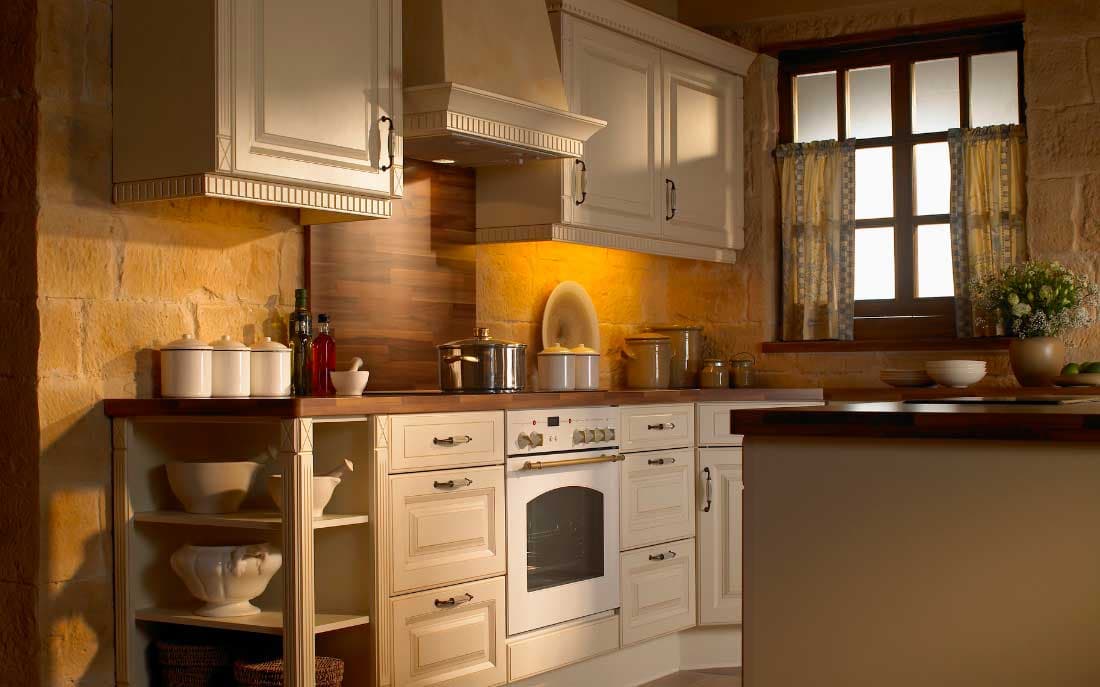

Trends and ideas for a home between tradition and formal cleanliness
In recent years, a new way of experiencing domestic spaces has established itself: warmer, more authentic, but always tidy and current. This is the contemporary rustic style, a harmonious meeting between memory and modernity, between materiality and clean lines, between the strength of tradition and the elegance of minimal design.
Those who choose this style often seek a profound balance: environments that speak of the past, but that know how to live perfectly in the present. A style that evokes the countryside, raw materials, craftsmanship, but with the visual order and functionality of modern interior design. That's why it became so loved.
The soul of the contemporary rustic
To really understand what makes this style special, we must start from its double soul: on the one hand we find the rustic world, made of wood, stone, exposed beams, warm colors and lived-in surfaces. On the other, the contemporary one, which introduces sobriety, essential lines, functionality and cleaner choices. The meeting point between these two worlds creates sophisticated but welcoming environments, with a strong identity.
It's not about filling a space with vintage objects or furnishing with antique furniture: on the contrary, contemporary rustic is a coherent fusion of carefully selected elements, which give the idea of something lived in, but also carefully designed.
Materials: truth and materiality
The material is the protagonist. The wood dominates the scene, but it is not polished or smoothed to the extreme: it is left as much as possible in its natural form, with visible knots, imperfections, grains that tell stories. It goes alongside natural stone, terracotta or concrete floors, raw fabrics such as linen and hemp.
Metal - often black or burnished - is used discreetly to give structure and contrast, particularly in furnishing accessories or exposed structures. The key is materiality: surfaces that are touched before they are even looked at. No artifices, no fake coverings. Everything must be authentic.
The color palette: earth tones and modern neutrals
The color palette also reflects this double soul. The colors of the contemporary rustic are those of nature: beige, cream, sand, dove grey, browns, warm greys. But they find a balance with more neutral and clean tones such as warm white or concrete grey.
The contrasts are soft: visual shock is avoided in favor of a harmony that accompanies the gaze. Color is used to underline and give rhythm, not to surprise.
The furnishings: simple lines, enveloping shapes
The contemporary rustic style furniture has an essential, but not cold, design. Clean lines, yes, but with rounded corners, irregular surfaces, welcoming proportions. A large solid wood table with modern designed chairs is one of the most iconic examples of this fusion.
Custom-made furniture works very well in this style, because it allows you to play with proportions and enhance authentic materials. No excessive furnishings: each element has a function and a space, as minimalism requires, but the choice of pieces always gives a feeling of warmth and personality.
The lighting: warm, diffused, almost theatrical
Light is fundamental to this style. We favor warm, diffused and never intrusive lighting. Pendant lamps with matt finishes, wall lamps that illuminate from the side, accent lights that enhance materials and textures. Natural light is always enhanced: large windows, light linen curtains, architectural cuts that allow the sun's rays to enter and transform the surfaces during the day.
The spaces: fluid and convivial, but also intimate
The contemporary rustic style goes well with open spaces, but also manages to define functional areas without necessarily using walls. Open bookcases, double-sided furnishings, light walls in glass and metal or simple changes of material are used to delimit the space.and functions without breaking the continuity of the space.
There is a lot of attention to conviviality, to the living area as the heart of the house, but without neglecting more intimate and private corners, designed for reading, relaxing and reflecting. The house is seen as a space to be lived in, not to be exhibited.
The importance of the architectural context
Contemporary rustic finds its ideal expression in spaces with a strong architectural identity: old farmhouses, farmhouses, stone houses, but also urban apartments with wooden beams or load-bearing brick walls.
However, it can also be rethought in more recent buildings: in that case, it becomes essential to work with textures and materials to evoke a more natural and profound dimension. You don't have to live in the countryside to bring the warmth of the rustic into your home.
The role of decor
Details matter. But they don't have to be excessive. A mirror with an antique wooden frame, a terracotta lamp, a raw wool carpet, a botanical print... each decorative element has a precise role and interacts with the rest without clashing. Even contemporary art can coexist in a contemporary rustic space, creating an interesting visual dialogue between past and present.
Why choose it?
Because it is a welcoming style. That makes you feel at home.
He doesn't impose, he doesn't show off, he isn't rigid.
It allows you to experience design naturally, without sacrificing beauty.
Choosing contemporary rustic means choosing an environment that resembles you, which combines memory with innovation. It is a declaration of love for the material, for simplicity, for the essential that warms.