Blog
Open-plan spaces: tips to define and organise rooms
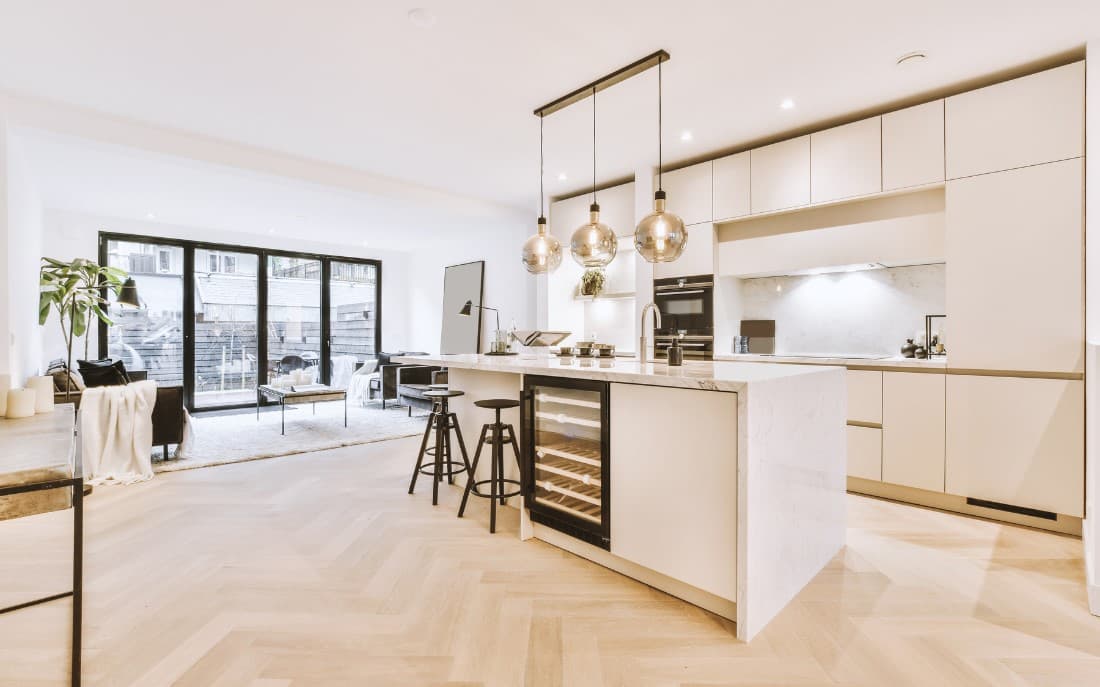
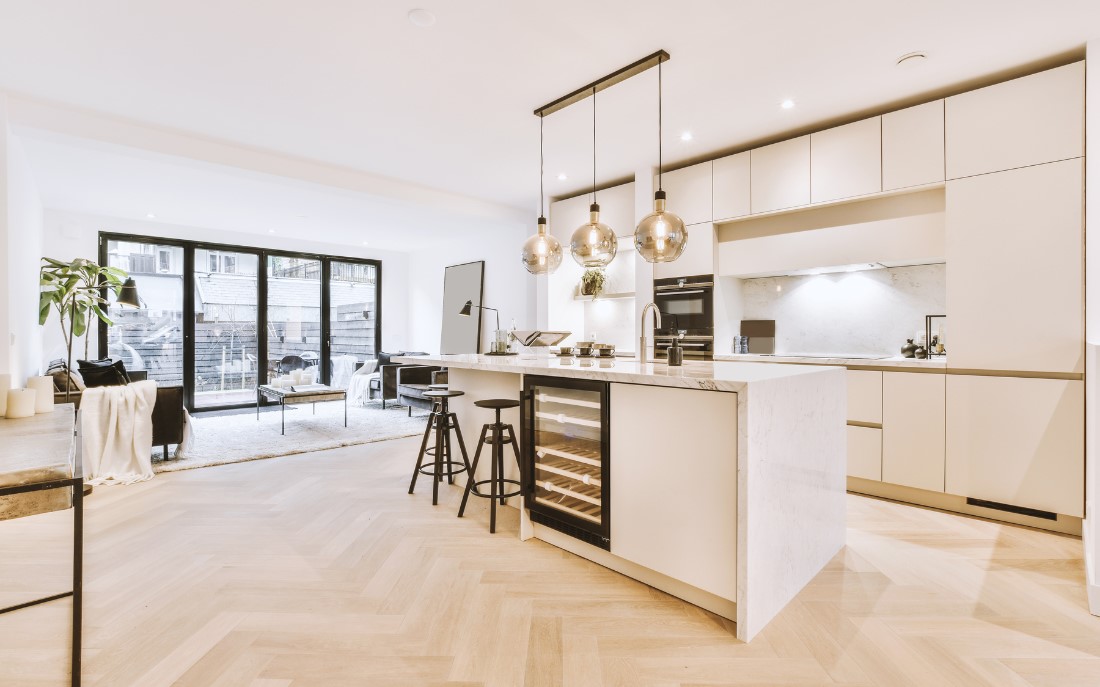
Open spaces are an increasingly popular choice in modern homes thanks to their brightness, versatility and feeling of spaciousness. However, the absence of walls can represent a challenge when it comes to organizing and delimiting rooms. How to create functional zones without sacrificing aesthetic continuity?
This article will provide you with a detailed guide to best organize open spaces, maximizing comfort and style.
The Importance of Planning
Before you start organizing an open space, it is essential to understand how you want to experience your space. Make a list of the main activities you will carry out, for example:
- Dining area
- Relaxation corner
- Space to work or study
- Children's play area
Careful planning will help you clearly define the functions of each area.
Delimit Spaces Without Walls
Open spaces require intelligent solutions to create divisions without building walls. Here are some practical ideas:
- Carpets : Use carpets to visually define different areas. A carpet under the sofa delimits the relaxation area, while one under the table indicates the dining area.
- Open bookcases : Bottomless bookcases separate spaces while maintaining transparency. You can use them to divide the living room from the kitchen or study area.
- Screens or sliding panels : These elements provide privacy when needed, but can be moved to maintain flexibility.
Using Furniture as a Divider
The furniture can perform a double function, both as a decorative element and as a divider:
- Sofas : Place a sofa facing the living room to separate the relaxation area from the dining area or kitchen.
- Dining Tables : A central table with well-arranged chairs can create a focal point that clearly delimits the dining area.
- Armchairs and chaise longues : Use single armchairs to create a light visual barrier between the different functions.
Stylistic Consistency: Creating Continuity
Even if you want to define the different zones, it is important to maintain stylistic coherence throughout the open space. This creates a harmonious and visually pleasing environment.
- Colors : Use a uniform color palette for walls and large surfaces, adding specific color accents for each area.
- Materials : Repeat materials such as wood, metal or fabrics to visually connect different areas.
- Lighting : Choose lamps that are coordinated but suitable for the functions of each area (e.g. soft lights for the living room, direct lights for the kitchen).
Exploiting Walls and Heights
Even in open spaces, walls and heights can be used to organize spaces:
- Hanging Shelves : Add shelves to create storage space without visually clutteringand the environment.
- Vertical decorative elements : Large paintings, mirrors or decorative panels can define areas without blocking the light.
- Level ceilings : If possible, use false ceilings to differentiate areas.
Layered Lighting
Light plays a crucial role in open spaces:
- General lighting : Use recessed spotlights or ceiling lamps to evenly illuminate the entire space.
- Functional Lights : Add directional lights above your dining table or kitchen island.
- Accent lights : Use floor or table lamps to create a welcoming atmosphere in the relaxation area.
Integrated Storage Solutions
In open spaces, maintaining order is essential. Integrated storage solutions can help you:
- Storage Furniture : Choose furniture that offers hidden storage space, such as coffee tables with drawers or benches with containers.
- Modular shelves : Use modular shelves that can be adapted to your needs.
- Hidden drawers : Tables and seats with hidden compartments are perfect for storing objects such as cushions, books or toys.
Organizing an open space requires a balance between functionality and aesthetic coherence. With careful planning and the strategic use of rugs, furniture and lighting, you can create a multifunctional, welcoming and well-defined environment. The open space will thus become the heart of your home, perfect for living and sharing unforgettable moments.