Blog
Connection spaces: designing shared areas that encourage relationships and gathering
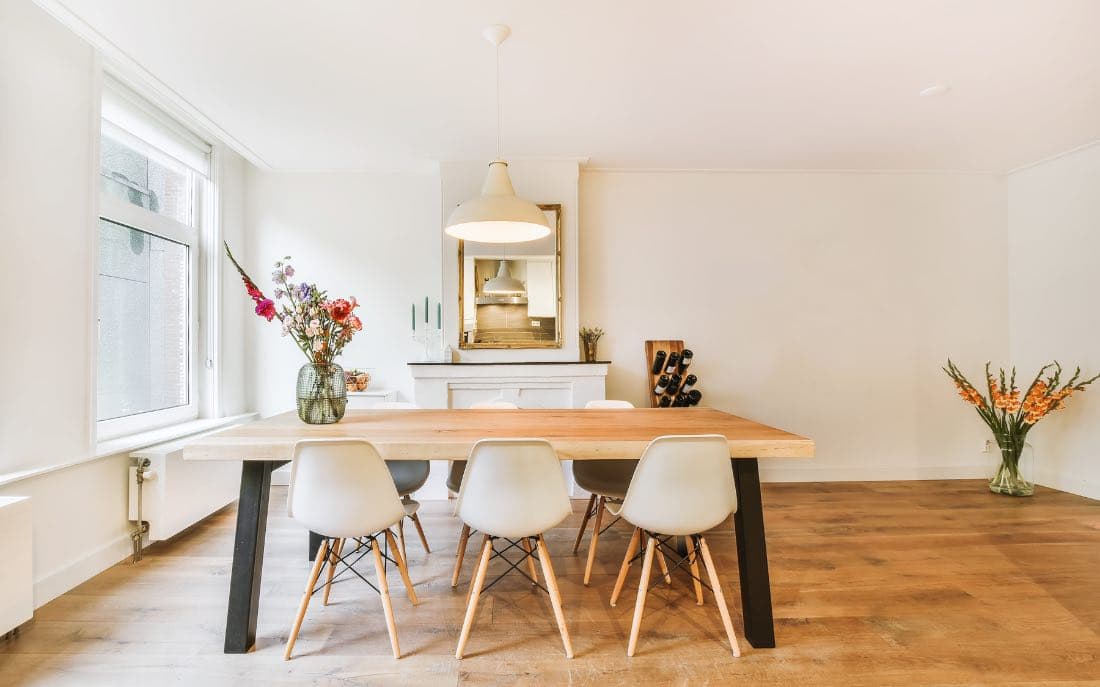
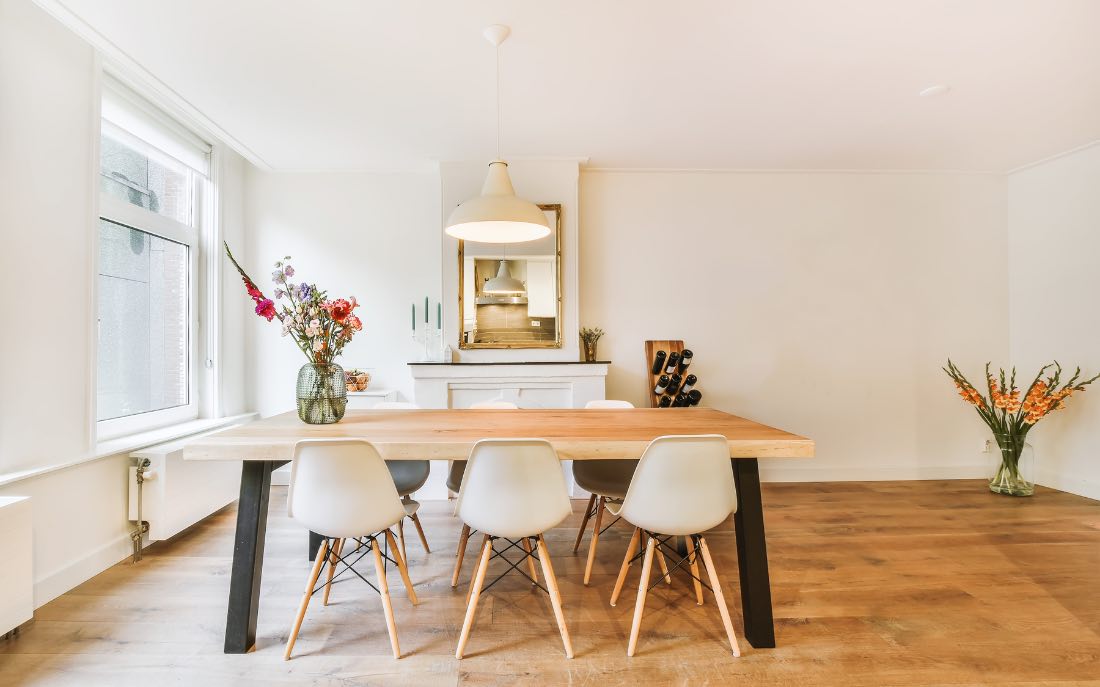
A house is not just made up of rooms, but of the relationships that arise within them. If we think about it, the most intense and experienced moments almost always happen in shared spaces: an impromptu dinner, a chat in the kitchen, a film seen together in the living room. This is why in recent years interior design has begun to give a new value to common areas: no longer simple passage or functional areas, but real places of emotional and social connection.
Designing spaces that encourage conviviality means understanding not only how we live in the home, but also how we want to experience relationships within it. It is a work that combines aesthetics, functionality and the psychology of living, creating environments that not only host but facilitate meetings.
The kitchen as the hub of the home
If there is an environment that has completely changed its role in recent years, it is the kitchen. From a hidden and purely functional space it has become the new center of the house. Today many kitchens open onto the living area, creating a unique environment where you can cook, talk and share.
This is not just an aesthetic choice but a reflection of how we live relationships: the preparation of food is no longer an isolated gesture but a moment of aggregation. A central island that becomes a work surface and convivial table, a peninsula that connects the kitchen to the living room: these are solutions that transform a function into a social experience.
Living: more than a living room
The living room is also evolving: it is not just the place to watch TV, but a multipurpose space for reading, entertaining friends and relaxing. The arrangement of the furnishings plays a key role: creating conversation points, encouraging eye contact, maintaining flexibility.
Sofas that "look at each other", armchairs that create cozy corners, tables that invite sharing: each element can contribute to making the living room a space where being together is natural.
Create connection without total open space
Not everyone likes or can have large open spaces. But creating connecting spaces doesn't necessarily mean tearing down walls. Even more intimate environments can encourage conviviality if designed intelligently.
A visual passage between the kitchen and living room, an internal window that connects two rooms, a glass door that separates without completely closing: small measures that maintain a feeling of openness and relationship between different spaces.
The atmosphere as glue
Conviviality is not just about square meters, but about atmosphere. Warm lights, materials that convey comfort, comfortable seats, personal elements that describe the home: everything contributes to creating an environment where people want to stop and share time.
Colors also play an important role. Warm and natural tones tend to favor the feeling of welcome, while colors that are too cold or neutral can make the environment elegant but less emotional. The goal is always the same: to make those who enter feel good and invite them to stay.
Common spaces even outside the home
When we talk about connection areas, we don't just think about the inside. Balconies, terraces and gardens can become extraordinary places of conviviality if designed well. An outdoor table, a small lounge area, soft lights: simple elements that transform an outdoor space into an extension of the home and sociality.
Adaptability: the key to a lived space
A true connection space is flexible. It must be able to transform according to needs: welcoming two people for an intimate evening, but also hosting ten friends for a dinner. This requires versatile furnishings, intelligent arrangements and a dynamic approach to the project. Extendable tables, movable seats, furnishings that adapt to circumstances are useful tools for keeping a space designed for relationships alive and functional.
Relationships and design: an inseparable combination
Designing common areas is not just an aesthetic question: it is a way to shape relationships. A space that invites you to sit closei, looking into each other's eyes, sharing experiences, is a space that fosters bonds.
Interior design, in this sense, becomes a tool for creating human connections. It's not enough to design a beautiful kitchen or an elegant living room: you need to think about how that space will be experienced, what daily gestures it will accommodate, what emotions it will facilitate.
The home as a social space
In the end, home is not just a physical place but a sum of relationships. Designing common areas that encourage conviviality means building the stage of everyday life: the simple moments and the special ones, the conversations, the laughter, the sharing.
This is perhaps the deepest meaning of interior design: not just creating beautiful rooms, but places that unite, that welcome and that leave memories. Spaces that are not just walls and furnishings, but which become real bonds. the meeting.