Blog
How to refresh a public venue without overhauling everything or overspending
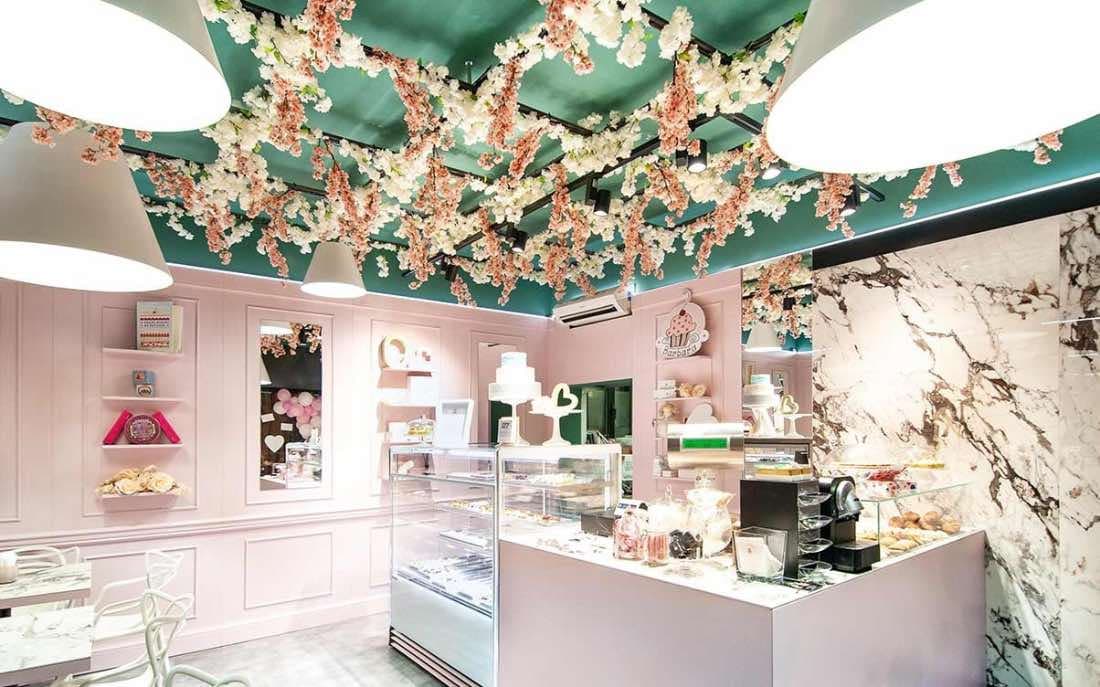
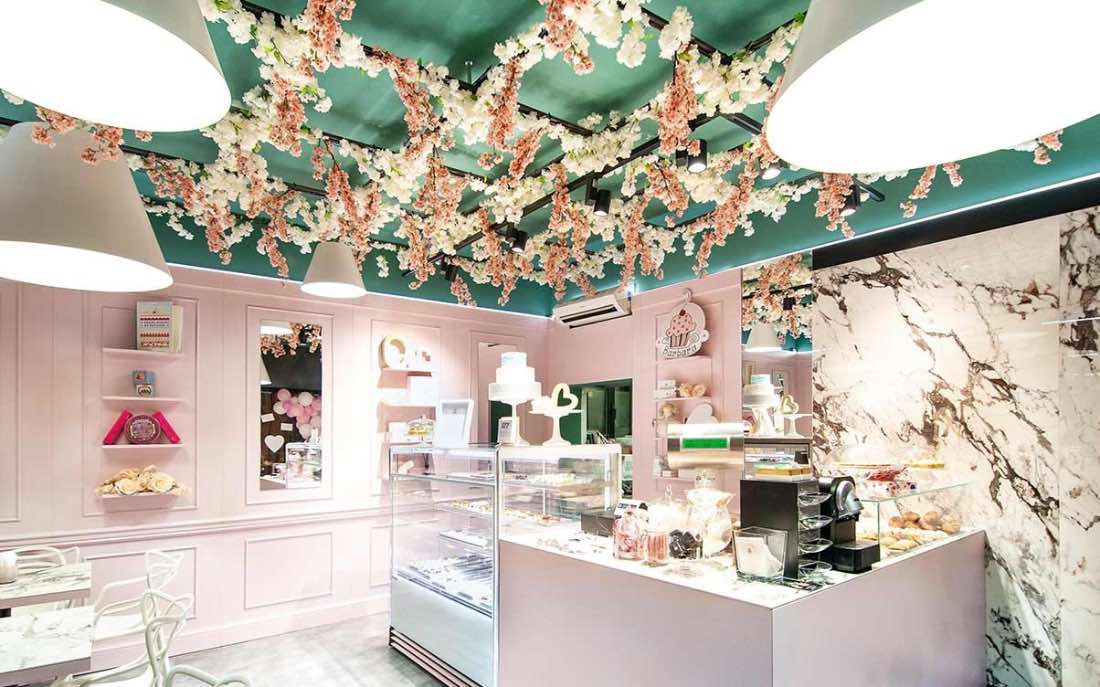
Renovating a public place is one of the most frequent needs for those who manage a bar, a restaurant, a shop, a studio or a space dedicated to services. At a certain point it almost always happens: the place still works, but it no longer communicates in the right way. The image appears dated, some elements do not enhance the customer experience, the atmosphere is no longer consistent with the positioning of the brand or with the audience you want to attract.
The point is that renewing doesn't necessarily mean redoing everything from scratch. And above all it doesn't necessarily mean facing a huge expense or an invasive construction site. Often the real change comes from a clear reading of the existing space and from a series of targeted interventions, capable of changing the perception of the place without demolishing what already works.
Before changing, you need to understand what doesn't work
The most common mistake, when deciding to update a room, is to start immediately from the visible elements: color of the walls, furnishings, decorations. In reality the first step is different. We need to understand what is holding the place back today.
Sometimes the problem is aesthetic. The place communicates an outdated, poorly maintained or undistinctive image. Other times the node is functional: confusing paths, weak lighting, difficult to read counter, uncomfortable waiting area, ineffective product display. In other cases, the place is not bad, but it no longer tells anything. He no longer has a clear personality.
Doing this initial analysis is essential because it allows you to avoid unnecessary expenses. If the floor is still valid, for example, it makes no sense to replace it just to "feel like it's being renovated". If the counter has a good structure, it may be smarter to rethink the covering, the lighting or the backdrop behind it.
Identity matters more than quantity of interventions
A public place works when it is recognisable. It doesn't necessarily have to be eccentric or flashy, but it must have a clear coherence. Whoever enters must immediately perceive what type of place it is, what tone it has, what experience it offers.
For this reason, when renovating with a limited budget, it is more effective to work on the identity than on the quantity of interventions. Better to do a few right things than many messy things.
A palette change, for example, can have a very strong effect. Even just working on two or three key elements - walls, fabrics, counter finishes, signs, lighting - can transform the place much more than a generic and poorly thought-out renovation.
How to improve the acoustics at home
The first step is to become aware of the impact that surfaces, the arrangement of furniture and materials have on sound quality. Then, you can intervene with intelligent design choices, even in small details.
Lighting is one of the most effective interventions
Of all the renewal tools, light is probably one of the most powerful. And often also one of the most underrated.A poorly lit room can seem older, messier and less welcoming than it really is. On the contrary, good lighting design manages to enhance materials, volumes, products and atmosphere with a much lower investment than building works or complete replacements of furnishings.
In the case of a restaurant or a bar, for example, light can help make the environment warmer and more memorable. In a shop it can guide the eye towards the right products. In a professional studio it can increase the feeling of order and reliability.
Often it is enough to replace obsolete fixtures, add accent light points, work better on color temperature and distribute light sources more intelligently.
Walls and surfaces: changing the skin of the room
When you don't want to overturn, but want to perceive a clear change, working on surfaces is a very effective strategy.
Walls are a huge resource. They can be repainted, partially covered, treated with colors more consistent with the brand or enhanced with textures and light materials. Even just one walland strong, if well chosen, it can give direction to the entire room.
The same goes for some key surfaces: the front of the counter, an exhibition backdrop, the back of a shelf, the wall behind the cash register, the entrance door. There's no need to renovate every centimeter. You need to choose the right points, those that the customer notices most and that remain in his memory.
Even technical wallpapers, decorative panels, material finishes, light boiserie or targeted paintwork can be excellent allies for changing the image without tackling heavy work.
Furnishings: recover what is there, but with criteria
Another frequent mistake is thinking that a new place must necessarily have new furnishings. It's not always like this. Very often the theme is not the furniture itself, but the way in which it is inserted into the space.
Seats, tables, shelves or counters can be recovered, lightened, relacquered, covered or simply recontextualized. Sometimes it is enough to standardize what was previously heterogeneous. Other times the change comes from eliminating the superfluous and letting the space breathe better.
Even from a budget perspective, it makes sense to focus on the truly critical elements. If some tables are still valid, it is better to keep them and invest in new seats, or in a new layout of the room that improves comfort and flows.
Layout and routes: small changes, big effect
One of the smartest ways to renovate without spending too much is to rethink the layout.
Moving a table, lightening an area, opening the view towards the counter, redefining an entrance, creating a clearer waiting area: these are all actions that do not necessarily require large budgets, but can greatly change the way in which the place is perceived and used.
In public places the project does not only concern "how it appears", but also "how you pass through". If the customer enters and immediately understands where to go, where to look, where to sit or how to move, the place works better. And functioning better also means appearing more polished, more professional, more convincing.
The power of coordinated details
When the budget is limited, the details become decisive. Menus, internal signs, graphic supports, account holders, displays, vases, textiles, uniformity of materials, handle finishes, frames, accessories: everything contributes to building the image of the place.
A place often appears dated not because it has major structural problems, but because it lacks management. Different objects, elements put together over the years, lack of visual coherence. Putting order back, choosing a clear direction and working on coordinated details can give a very strong feeling of renewal even with limited investments.
Renewing in phases is often the best choice
If you don't want to block the activity for too long or if the budget needs to be distributed over time, an excellent strategy is to work in phases.
First you can work on colour, light and details. Then, at a later time, on furnishings or layout. Finally, if necessary, on technical or more structural elements. The important thing is that there is a clear vision from the beginning, even if the renewal takes place in stages.
This approach allows us to avoid random interventions and build a coherent path. Even with limited time and resources, you can achieve a solid result if you already know where you want to go.
The goal is not to redo everything, but to make the right change perceived
Renovating a public place without upsetting and without spending too much is possible, but it requires one specific thing: making targeted choices. There is no point in chasing the "new" at all costs. You need to understand what to enhance, what to lighten, what to update and above all what image you want to convey from now on.
A good renovation is not measured by the number of elements changed, but by the ability of the space to speak clearly again. More coherent, more current, closer to the type of experience you want to offer.
Because even a light intervention, if it is well thought out, can change much more than a total renovation done without direction.