Blog
Designing a welcoming entrance: ideas and solutions
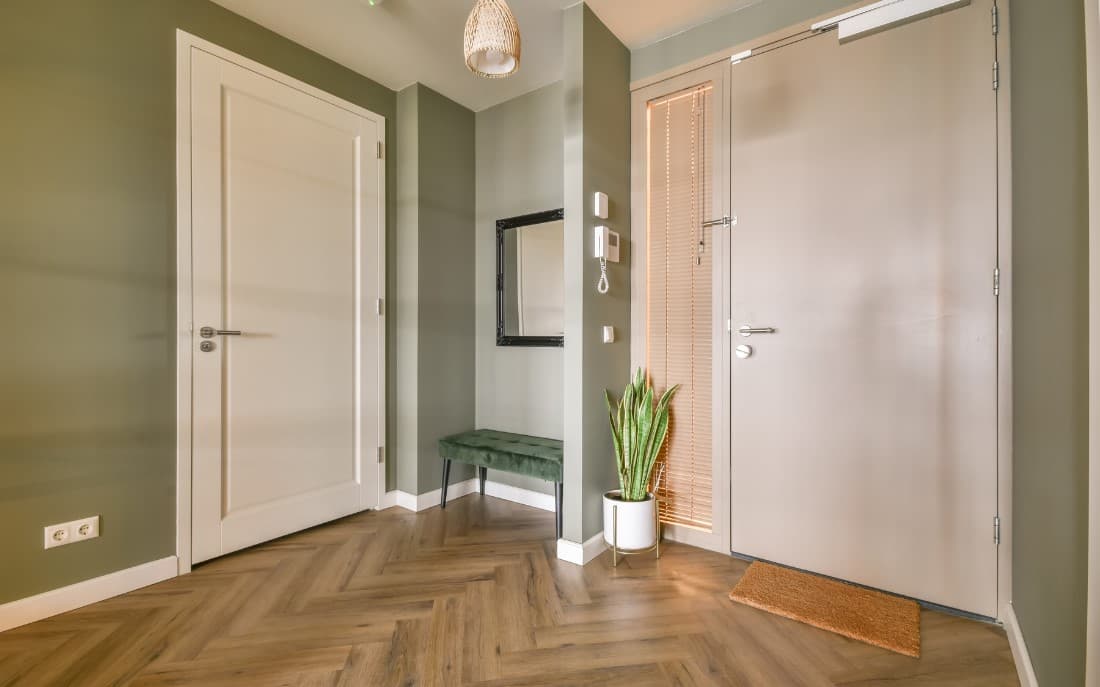
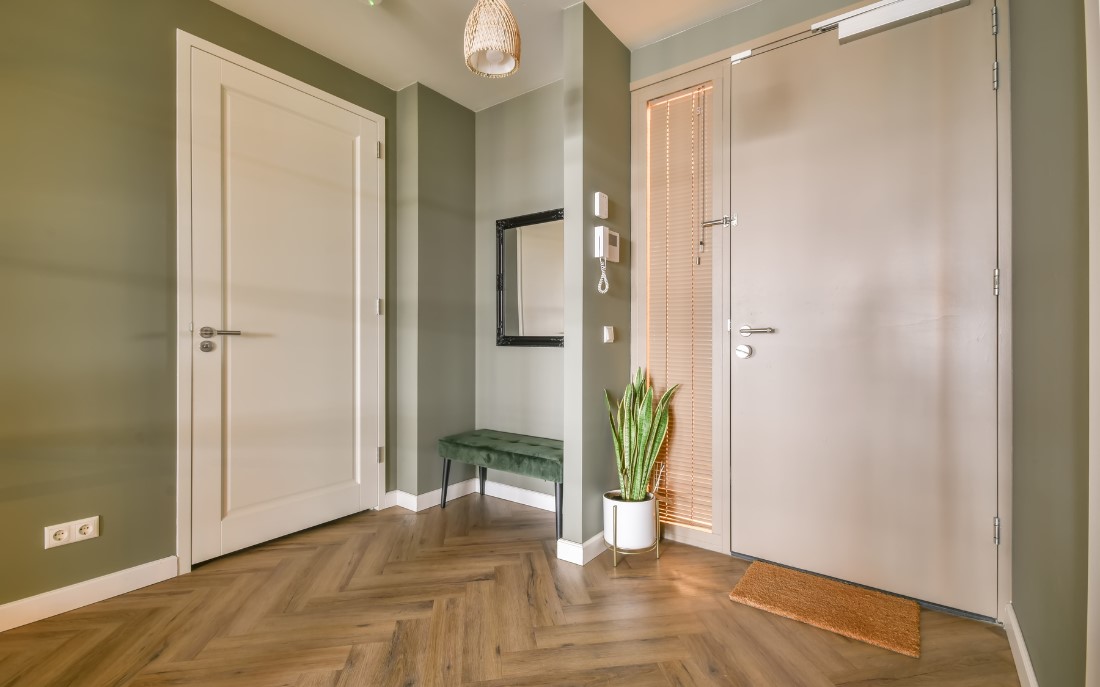
The entrance is the business card of your home: it is the first room that welcomes you and your guests and the last one you see before leaving. Often underestimated, the entrance plays a fundamental role from both an aesthetic and functional point of view. Designing a welcoming entrance means creating a space that is practical, organized and at the same time a reflection of your personality.
In this article we will guide you through ideas and solutions to transform the entrance into a functional and inviting environment.
The Importance of a Well-Designed Entrance
A well-designed entrance offers many advantages:
- Positive first impression: Welcomes guests warmly and makes the home more inviting.
- Organization: Help maintain order, with dedicated spaces for everyday items such as keys, coats and shoes.
- Style continuity: Sets the tone for the rest of the home, introducing your own personal style.
Even if you have a small space, there are many creative solutions to make the most of it and make it functional without sacrificing aesthetics.
Key Elements of a Functional Input
To design a practical and welcoming entrance, it is essential to include some essential elements:
2.1. Bench or Seat
A seat is ideal for putting on or taking off shoes. Choose a bench with built-in storage to optimize space, or opt for a simple chair or stool for a more minimalist look.
2.2. Hooks and Coat Hangers
A wall hanger or coat stand is essential for keeping coats, bags and scarves in order. If space allows, consider a walk-in closet or walk-in closet for a cleaner look.
2.3. Mobile Console or Shelf
A console cabinet or shelf is perfect for storing keys, wallets and small objects. Add a decorative tray to organize items and keep them within reach.
2.4. Umbrella stand
An umbrella stand is a functional element that avoids mess on rainy days. Choose one that integrates with the style of the entrance.
2.5. Mirror
A mirror is not only useful for a last check before going out, but also helps to make the entrance seem larger and brighter.
Solutions for Small Spaces
If your entryway is small, making use of every centimeter is essential. Here are some ideas:
- Hanging shelves: Fix a shelf to the wall to create a support point without taking up the space.
- Wall hooks: Replace the coat hanger with single hooks, more compact and flexible.
- Large mirrors: A large mirror increases the perception of space and reflects light, making the entrance more airy.
- Space-saving furniture: Opt for tall, narrow furniture, such as cabinets with sliding doors or slim consoles.
- Pendant Lights: Create a focal point and add style.
- Wall lights: They illuminate the space without taking up useful surfaces.
- Recessed spotlights: Perfect for small entrances, they guarantee uniform light.
- Paintings or photographs: Hang a gallery of images or a work of art that you love.
- Plants: A small potted plant or a bouquet of fresh flowers add life and color.
- Rugs: A rug not only protects the floor, but also adds warmth and defines the space.
- Baskets or boxes: Use wicker baskets or decorative boxes to store shoes or accessories.
- Wall Organizer: Hang a panel with pockets or a magnetic board to organize keys, notes and documents.
- Cabinets with doors: If you have space, a wardrobe with doors allows you to hide everything and maintain a clean look.
- Neutral colors and clean lines.
- Basic furniture, such as a slim console and a simple mirror.
- Decorations reduced to a minimum, for a tidy look.
- Furniture in natural or recycled wood.
- Wrought iron hooks and wicker baskets.
- Hand-woven carpets and decorative details such as lanterns.
- Contemporary lighting with spotlights or designer pendant lamps.
- Glossy or matte surfaces, such as glass or metal consoles.
- Color accents, such as a wall painted in a bold color.
- Warm colors and ethnic patterns.
- Soft fabrics, such as kilim rugs or light curtains.
- Abundant decorations, with plants, cushions and works of art.
- Rugs: Use a rug to define the entryway space.
- Dividers: Add an open bookcase or screen to visually separate the entryway from the rest of the room.
- Differentiated lighting: Use different light for the entrance compared to the living room, creating a visual transition.
- Personal Items: Display travel memories, family photographs or art objects.
- Welcome messages: Use a blackboard or sign with a phrase that puts you in a good mood.
- Scents: Add scented candles or diffusers to make the entrance welcoming on a sensorial level.
Creating Atmosphere with Furnishings
The entrance must be functional, but also welcoming. Decorative elements play a key role in creating a pleasant atmosphere.
4.1. With thegolds
Choose colors that reflect your style and are consistent with the rest of the home. Neutral tones like white, beige and light gray make the space brighter and more welcoming. If you want a touch of personality, use color accents with painted walls or wallpaper.
4.2. Lighting
Adequate lighting is essential for entry. Opt for:
4.3. Decorations
Add decorative elements to personalize the entrance:
Ideas for Maintaining Order
The entrance is often the place where objects such as shoes, bags and keys accumulate. Here's how to always keep it tidy:
Entrance Design Styles
The entrance can be designed to reflect different furnishing styles. Here are some ideas:
6.1. Minimalist Style
6.2. Rustic Style
6.3. Modern Style
6.4. Boho Style
Ideas for Open Space Entrances
If your entrance is part of an open space, it is important to clearly delineate the area:
Customize Input
The entrance is a space that speaks about you. Personalize it with unique details:
A well-designed entrance is not only functional, but also an invitation to come in and feel at home. With a mix of practical solutions and decorative details, you can transform this space into a welcoming and organized environment that reflects your personal style. Whether you have a large entrance hall or a small corner, the proposed ideas will help you create an entrance that combines practicality and elegance.