Blog
The power of texture: combining surfaces for depth and personality
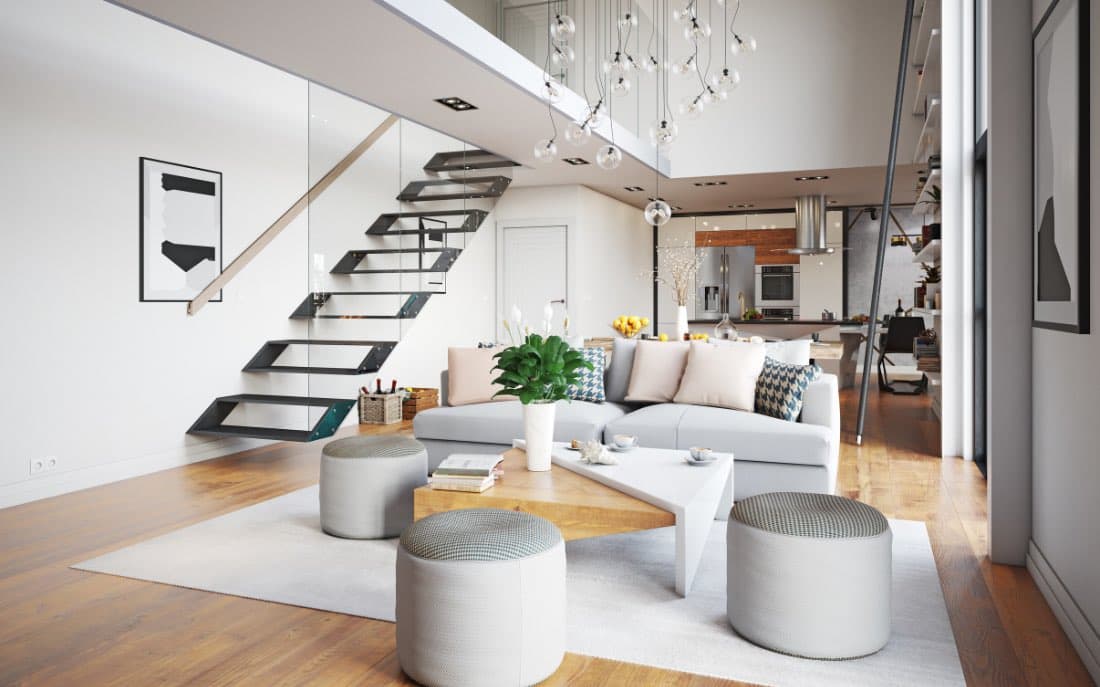
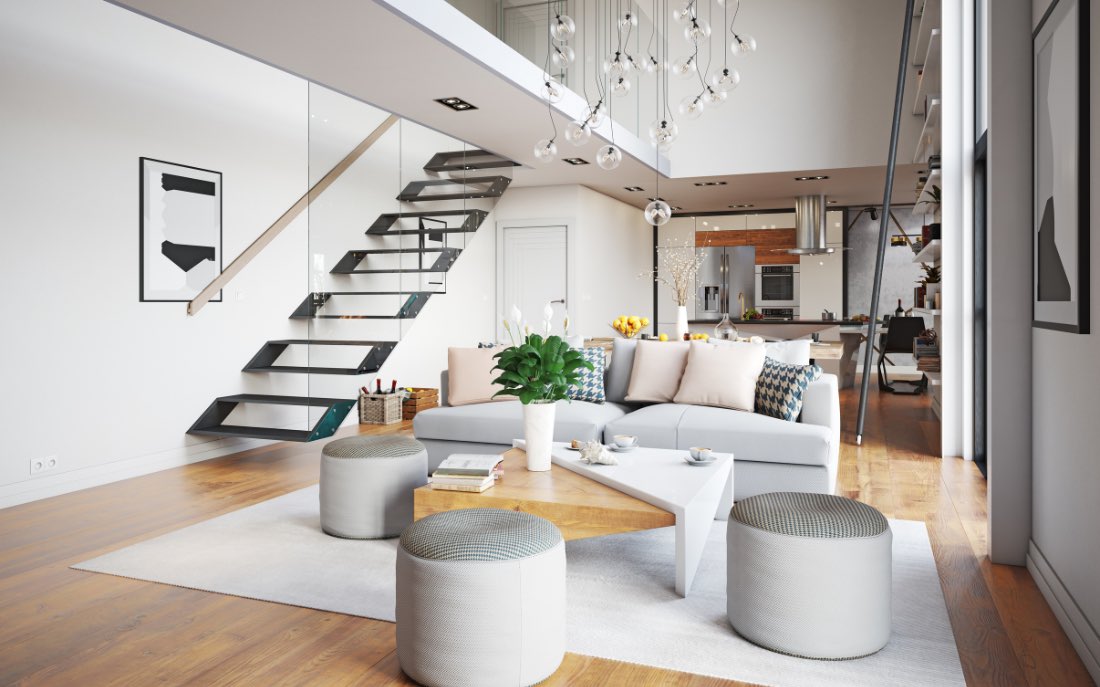
When we think about interior design, our mind immediately goes to colours, furnishings and layout of spaces. Yet, there is an element that often works silently but decisively in giving character to a home: texture. The surface of a material is not only aesthetic, but stimulates the senses, influences perception and contributes to creating atmosphere.
Textures have the power to transform a flat environment into a living space, adding visual depth, materiality and personality. Knowing how to combine them means creating a tactile and visual language that tells much more than simple colours.
Why are textures so important?
The answer is in perception. Our brain not only "reads" colors, but also interprets light, shadows and the sensation that a surface transmits. A smooth and uniform wall communicates order and minimalism, while a rough concrete wall evokes solidity and industrial character.
The textures:
- They give three-dimensionality to spaces, avoiding the flat effect.
- They stimulate the senses, creating a tactile and emotional bond with the environment.
- They describe a style, even without resorting to strong colours.
- They add warmth or freshness, depending on the materials.
In other words, the texture is the skin of the space: it changes the perception and experience of those who live it.
Playing with contrasts
One of the golden rules for using textures is to create balanced contrasts. Smooth and rough, opaque and shiny, soft and material: the alternation generates visual movement and gives depth.
An example?
- Natural wood floor combined with smooth resin walls.
- Boucle fabric sofa against a stone wall.
- Satin metal combined with warm wood.
The goal is not to exaggerate, but to dose the differences to create dynamics without chaos.
Texture and light: a fundamental relationship
Light is the natural ally of textures. A rough surface, for example, creates shadows and shades that change throughout the day, making the space come alive. In contrast, a glossy finish reflects light and broadens visual perception.
When designing an interior, always ask yourself: how will this surface react to natural and artificial light? The answer will guide the choice of materials and combinations.
Materials that speak
Every material has a texture that tells something. Some examples:
- Wood: warmth, nature, authenticity.
- Stone: solidity, timeless elegance.
- Metal: modernity, rigor, contemporary reflections.
- Natural fabrics: comfort, warmth, tactility.
- Cement and resin: minimalism, urban aesthetics, visual continuity.
Using multiple materials within the same project allows you to layer sensations and create a unique narrative.
How to combine textures without weighing them down
The risk of working with too many different surfaces is creating confusion. The key is to maintain visual consistency:
- Choose a neutral palette if you want to experiment with bolder textures.
- Repeat material in multiple stanzas to provide continuity.
- Use variations of the same texture to create harmony (e.g. light wood in multiple finishes).
Remember: the texture must add value, not steal the show from everything else.
Textures in different environments
Each room can express its personality also through surfaces.
- Living area: combine soft fabrics, warm floors and more neutral walls for a welcoming balance.
- Kitchen: alternate practical surfaces (resin, stone) with material details such as wood or metal to give rhythm.
- Bathroom: play with contrasts between smooth and material surfaces to enhance water as a natural element.
- Bedroom: prefer soft and enveloping textures to convey relaxation and comfort.
Texture and furnishing style
Each design style interprets texture differently:
- Minimalism: few textures, but of quality. Contrast between smooth and material.
- Rusticor contemporary: raw wood, natural stone and warm fabrics.
- Industrial: concrete, metal and exposed brick.
- Scandinavian: light woods, natural fabrics, soft textures.
Here too, the secret is to find a common thread that holds materials and surfaces together.
Advice for those who are renovating
If you're rethinking your home, don't just choose "the color of the wall": think about how you want that space to make you feel. Warm and enveloping? Minimal and tidy? Energetic and dynamic?
The choice of textures starts from this answer, which are often worth more than any colour.
The silent strength of surfaces
Textures work in the background, but they are the ones that give soul to the space. A textureless interior can be beautiful, but it risks feeling cold and impersonal.
Combining surfaces means building a sensorial language made of sight and touch, of light and matter. It's that detail that isn't always immediately noticeable, but which makes the difference between a "beautiful" room and a living room.