Blog
A pool, yes — but integrated. How to avoid the most common outdoor design mistake
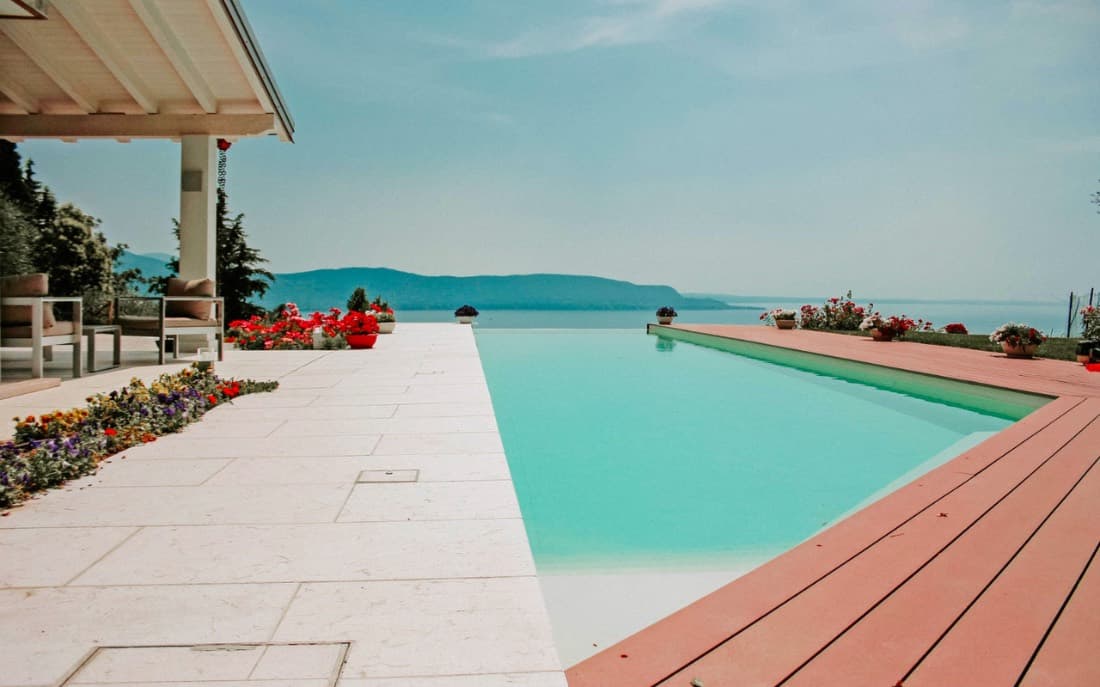
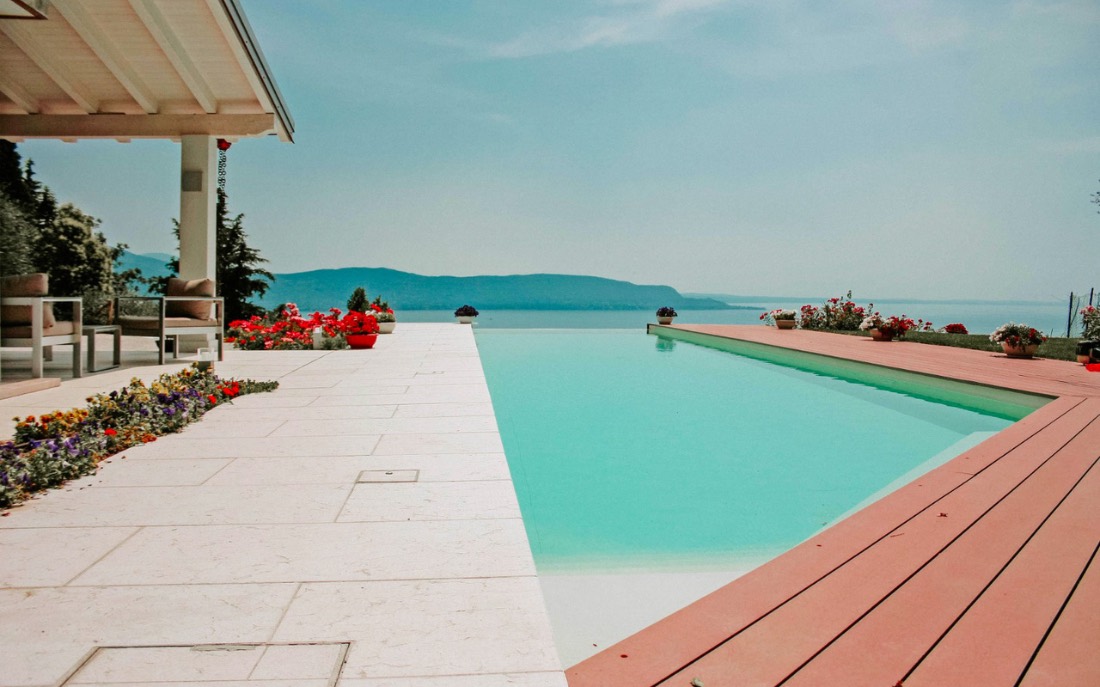
There is a time when almost all clients who want a swimming pool do the same thing: they choose the swimming pool before thinking about the space.
They call the builder, choose the shape, decide the dimensions. Then, once they have laid it, they realize that the garden doesn't add up. The flooring doesn't match. The relaxation area seems to have been put there by chance. The technical area can be seen. And what was supposed to be the most beautiful part of the house becomes the point that convinces them the least.
It's not the pool's fault. It's the fault of the order in which it was designed.
The problem: the swimming pool as an afterthought
When the pool is added to an already defined project — or, worse, to a space that was never really designed — it inevitably becomes an element in itself. An object in the garden, not part of the garden.
The result is almost always the same: edges that don't interact with the external flooring, materials that clash with those used in the house, an outdoor living area that doesn't quite know where to be, and a technical area poorly hidden behind an improvised hedge.
Designing a space with a swimming pool means starting from the whole. Understanding how those who live in that house move, where the sun shines, how the space is seen from inside, what needs to happen around the water besides swimming.
The materials: beautiful and resistant, not one or the other
One of the most underestimated issues in outdoor swimming pool design is the choice of materials. Water, chlorine, sun and frost are silent enemies of many surfaces that look perfect in the showroom.
Natural stone, high-resistance porcelain stoneware, composite wood or treated ipe: each material has its own characteristics and must be chosen based on actual use, not just aesthetics. The poolside flooring, for example, must be non-slip even when wet - a detail that many discover late.
The continuity between inside and outside, however, is one of the elements that makes the biggest visual difference: when the floor of the living area of the house extends outwards with the same material or with one that interacts coherently, the space perceptively widens. The house and the garden become one.
The pool edge: detail or design element?
The edge is where the pool meets the rest. And it is often also the most overlooked point.
An infinity pool eliminates the visual edge and creates a dramatic effect that is difficult to match — but requires careful planning and more complex plumbing. A swimming pool with a light stone or large format slab border can be equally elegant, with less technical complexity.
The choice depends on your budget, the aesthetics of the house and the topography of the land. What should never depend on improvisation is the finish of that edge: it is the detail that is seen the most, that is photographed, that remains in the visual memory of the space.
The technical area: it exists, it must be designed
Technical room, pumps, filters, meters. Every pool has a part that you don't want to see — and yet it takes up space, produces noise and must be accessible for maintenance.
Too often it is relegated to a corner, covered with an improvised structure or poorly hidden. The result is a space that works, but which visually betrays hasty management.
Designing the technical area means finding the right place from the start: integrating it into an external structure consistent with the rest, making it accessible without it becoming the first element you notice upon entering the garden, and isolating it acoustically if necessary.
Privacy: hedges, pergolas and screens
A pool that is exposed — to neighbors, to the street, to the windows of your home — is a pool that is used less. Privacy is not a luxury: it is a condition of use.
There are many solutions and must be chosen according to the context: fast-growing evergreen hedges, wooden or metal screens, pergolas with fabric or adjustable slats, combinations of plant and structural elements. The important thing is that these choices tooand are part of the overall project, and are not added later as a last minute fix.
The right question to ask at the beginning
Not "what shape do I want for the pool?" but "how do I want to experience this space?"
How many people use it, at what time of day, with what style. If you need an outdoor dining area, a lounge area, a covered path between the house and the water. If there are children, if there is a dog, if you eat breakfast out in the morning or have a late dinner in the evening.
These answers guide design choices much more than current trends.
The beautiful and functional swimming pool is not the largest one or the one with the most options. It's the one designed for those who live it — and designed together with everything else, from day one.
Are you thinking of building a swimming pool or redesigning your outdoor space? Tell us about the project — let's develop it together.