Blog
Not necessarily beautiful and useless: finding balance in design
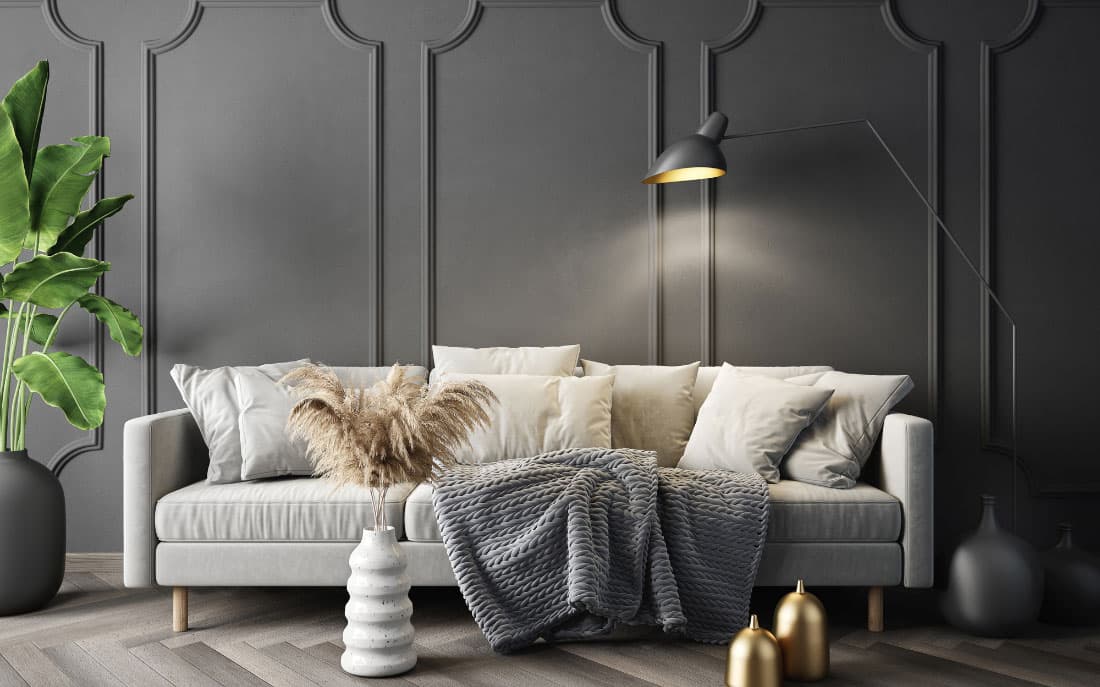
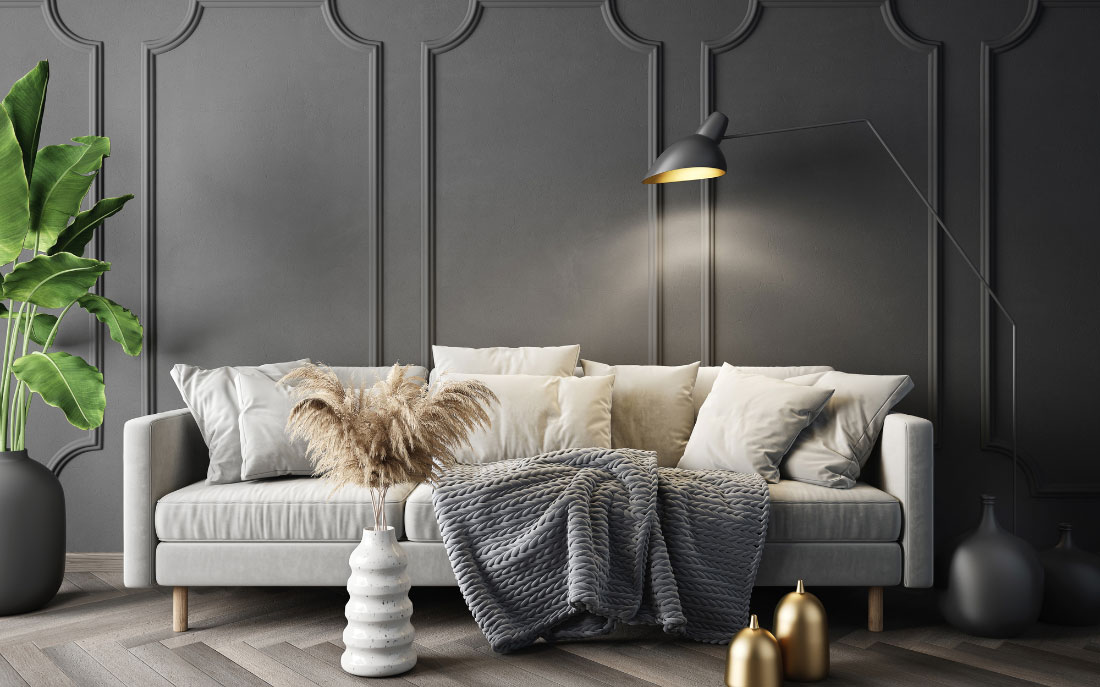
In the world of design, there is often a debate between aesthetics and functionality. However, you don't have to choose between beauty and utility. Design objects can be both, combining form and function in ways that improve the quality of everyday life.
This article explores how it is possible to have beautiful designer things that are also extremely useful.
Design that Balances Form and Function
Good design doesn't have to sacrifice aesthetics to be useful. On the contrary, the best examples of design find a balance between beauty and functionality, creating objects that are not only pleasing to the eye, but also improve our daily lives.
Examples of Functional and Aesthetic Design
1
Modern Furniture : Many pieces of modern furniture, such as Eames chairs or Noguchi tables, are perfect examples of how design can be both beautiful and functional. These pieces not only add elegance to environments, but also offer comfort and practicality.
2
Consumer Technology : Devices such as smartphones and laptops are designed to be aesthetically pleasing and highly functional. Apple, for example, is known for its products that combine elegant design with excellent performance.
3
Kitchen Utensils : Products such as Le Creuset cookware or Global knives are not only visually appealing, but also offer superior performance in the kitchen, proving that functionality can go hand in hand with aesthetics.
The Role of Sustainability in Design
Sustainability is another crucial aspect of modern design. Sustainable products are designed to be beautiful, useful and environmentally friendly.
Sustainable Design
1
Eco-friendly Materials : Using recycled or sustainable materials can create products that are both beautiful and environmentally friendly. For example, furniture made from recycled wood or recycled plastic combines aesthetics and sustainability.
2
Energy Efficiency : Appliances and devices designed to be energy efficient can be stylish and reduce environmental impact. LED bulbs, for example, offer a modern design and consume less energy.
3
Durability and Repairability : Designing products that last a long time and can be easily repaired is a key to sustainability. This type of design is not only useful, but can also be visually appealing.
Innovation in Design
Innovation is essential to creating products that are both beautiful and useful. Many initial innovations may seem rudimentary, but over time they become design icons.
Aesthetic and Functional Innovation
1
Wearable Technology : Smartwatches and smart glasses combine advanced technology with elegant design, improving our daily life and making us feel fashionable.
2
Smart Furniture : Furniture with integrated functions, such as sofas with USB ports or tables with wireless chargers, demonstrate how design can be aesthetically pleasing and incredibly useful.
3
Technical Clothing : Clothing designed to withstand the elements, such as waterproof jackets or breathable sportswear, brings together styleand functionality, offering comfort and protection without sacrificing aesthetics.
Beauty in Functionality
Well-designed functionality can be beautiful in itself. An object that performs its task perfectly has an intrinsic quality that goes beyond superficial aesthetics.
The Charm of Minimalist Design
The minimalist design exemplifies how simplicity and functionality can create intrinsic beauty. Ludwig Mies van der Rohe's motto "Less is more" underlines the importance of eliminating the superfluous to focus on the essential, creating objects that are beautiful in their simplicity.
Design doesn't have to be beautiful to be useful, but when form and function meet, the result can be extraordinary. Objects and spaces designed with a keen eye for functionality and aesthetics significantly improve our daily lives. Investing in design that is beautiful and useful means creating more pleasant, practical and sustainable environments. The real challenge of modern design is finding this perfect balance, demonstrating that beauty can go hand in hand with utility and sustainability.