Blog
Fashion and design: affinities and differences
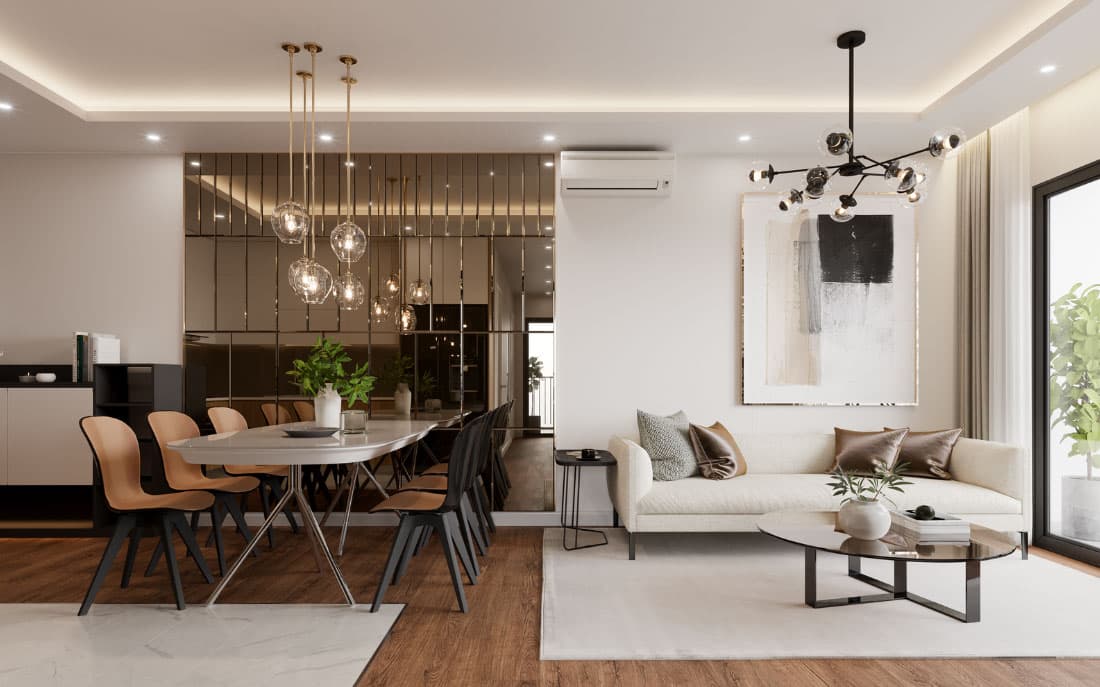
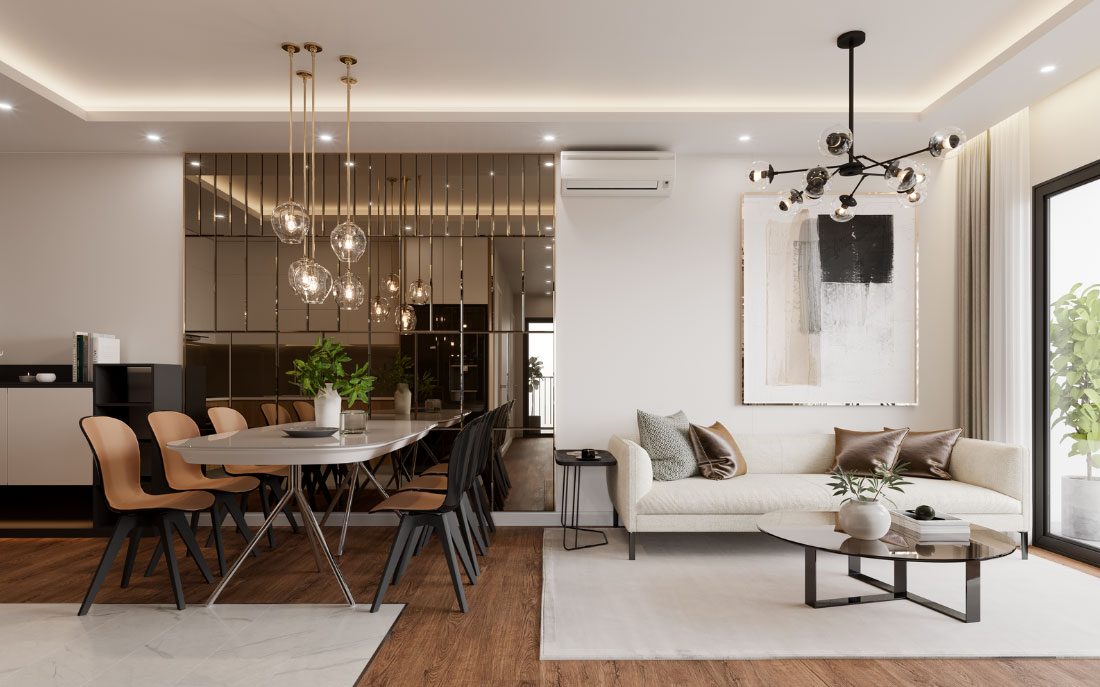
Both influence the way we live, perceive the world and express ourselves, but they do so with different approaches and objectives. Fashion is notoriously ephemeral, following rapid cycles of change and seasonal trends. Design, on the other hand, tends to pursue temporal longevity, often taking inspiration from architecture and trying to create long-lasting and functional works.
This article explores the affinities and differences between fashion and design, analyzing how each discipline interprets and influences our daily lives.
Affinity between Fashion and Design
Expression of Creativity and Identity
Both fashion and design are forms of creative expression. Through clothes and accessories, people communicate their identity, their tastes and even their beliefs. Likewise, interior design and the design of objects reflect the personality and style of those who use them. Both offer a platform for innovation and creativity, allowing designers to experiment with materials, shapes and concepts.
Influence of Trends
Trends play a significant role in both fashion and design. Catwalks influence seasonal clothing choices, while design fairs and specialized publications determine what's new in the world of furniture and industrial design. Both disciplines are sensitive to cultural, social and economic changes, responding quickly to new needs and desires of the public.
Importance of Form and Function
Another point of contact between fashion and design is the importance of balancing form and function. In fashion, clothes must be not only beautiful but also practical and comfortable to wear. Similarly, in design, objects and spaces must be aesthetically pleasing and functional. This balance between beauty and utility is essential for success in both disciplines.
Differences between Fashion and Design
Temporality and Ephemerality
One of the most obvious differences between fashion and design is their temporality. Fashion is inherently ephemeral, with trends changing rapidly from one season to the next. This constant flow of newness stimulates the fashion industry, keeping consumers always eager to update their wardrobe. Fashion is often seen as an immediate reflection of contemporary culture, ready to evolve with social and political changes.
Design, on the other hand, tends to seek greater longevity. While it can be influenced by trends, good design aims to stand the test of time. This is especially true in interior design and architecture, where design choices must last for years, if not decades. A well-designed designer object can remain relevant and functional much longer than a trendy piece of clothing.
Functionality and Durability
The design places a strong emphasis on functionality and durability. Objects and spaces must be designed to withstand daily use and maintain their usefulness over time. This focus on durability is less present in fashion, where the emphasis is often on aesthetics and novelty rather than longevity. Clothes may be made of delicate materials that require special care and may not last as long as designer products.
Creative Process and Production
The creative and production process differs significantly between fashion and design. In the world of fashion, production cycles are fast and closely linked to the calendar of fashion shows and seasons. Fashion designers have to create new collections several times a year, maintaining an intense and often stressful pace.
In design, the process can be slower and more thoughtful. The programecting a piece of furniture or a building takes time for research, prototyping and experimentation. Designers can work on a project for months or years before seeing it realized. This difference in the creative process is also reflected in the final product, with the design often displaying greater depth and complexity.
The Influence of Architecture on Design
Architecture has had a profound influence on design, particularly in its pursuit of longevity and functionality. Architects design buildings to last, taking into account the structure, materials and surrounding environment. This attention to detail and sustainability is a principle that many designers try to emulate in their work.
Materials and Construction Techniques
The use of high-quality materials and advanced construction techniques is a key aspect in both architecture and design. Architects choose materials that not only meet aesthetic needs, but are also durable and sustainable. This same philosophy is adopted in design, where the choice of materials can determine the durability and effectiveness of a product.
Fashion and Design: Two Worlds in Dialogue
Sustainability has become a crucial consideration in modern design, inspired by green architecture. The use of recycled materials, energy efficiency and eco-design are trends that are influencing both fields. Designers seek innovative solutions that reduce environmental impact and promote long-term sustainability.
The Influence of Architecture on Design
Despite their differences, fashion and design are in constant dialogue. Many designers find inspiration in fashion to create objects and spaces that reflect the latest trends, while fashion designers often look to design and architecture for new ideas and approaches. This interaction enriches both disciplines, leading to creations that are both innovative and relevant.
Collaborations and Crossovers
Collaborations between fashion designers and interior designers are increasingly common. These partnerships can lead to furniture collections that reflect a specific fashion style or clothing that incorporate interior design elements. These crossovers demonstrate how the boundaries between fashion and design can be fluid and how both disciplines can benefit from each other.
Style and Design Icons
Some individuals and brands have become iconic in both the world of fashion and design. For example, fashion houses such as Armani and Versace have created furniture lines that reflect their distinctive style. Likewise, designers such as Philippe Starck and Karim Rashid have influenced the world of fashion with their unique and visionary creations.
Fashion and design, despite being distinct disciplines, share many affinities and influence each other in complex and fascinating ways. Fashion is characterized by its ephemeral nature and the rapid evolution of trends, while design seeks greater longevity, often taking inspiration from the principles of architecture. Both disciplines are fundamental for expressing creativity and identity, and their continuous dialogue enriches the cultural and stylistic panorama.
Understanding the affinities and differences between fashion and design can help to better value both disciplines, recognizing the importance of their role in our daily lives and in society as a whole. Whether choosing an item of clothing or designing a living space, the end goal is always the same: to create something beautiful, functional and meaningful