Blog
Sustainable materials: choosing ecological furniture and finishes that last
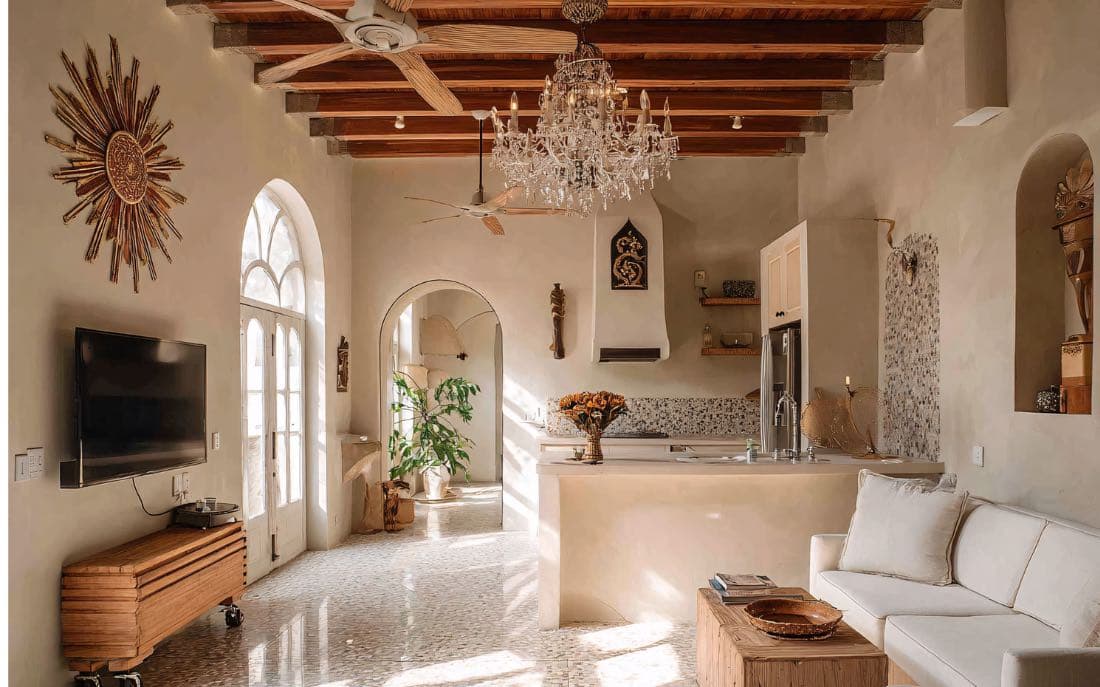
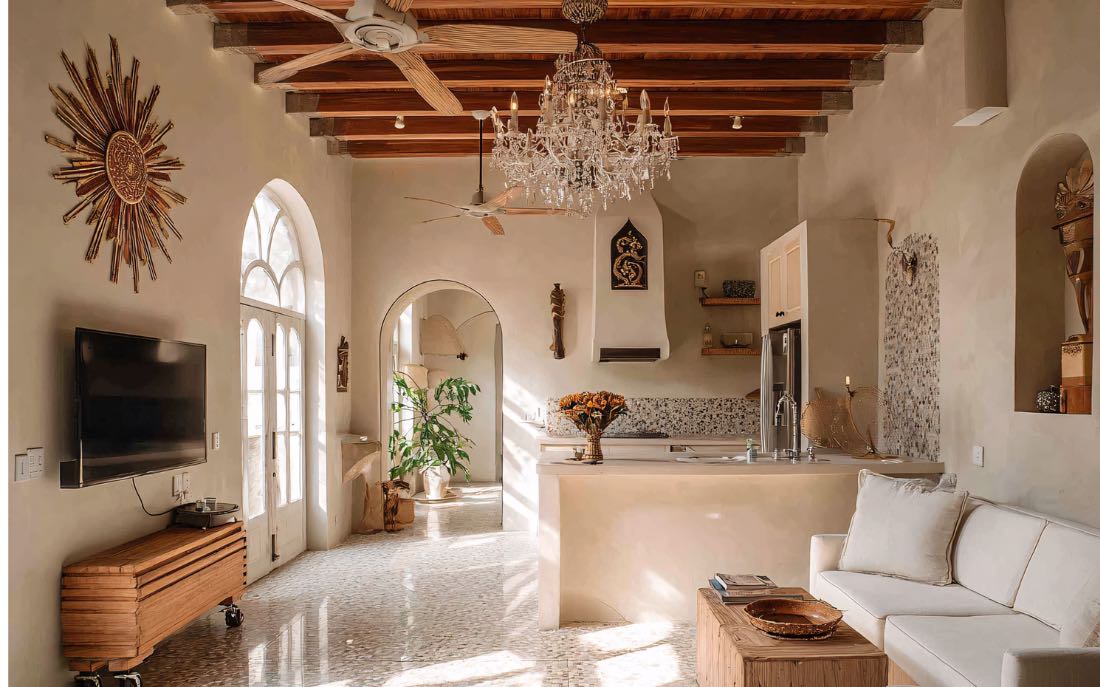
There is an idea that has started to change our way of living in recent years: that of living spaces in a more conscious way. Not only for an aesthetic or functional question, but for a deeper reason: taking care of your environment and, at the same time, of the planet.
It's not just a question of materials
When we talk about sustainability in interiors, it's easy to immediately think of natural materials. But that's not all.
Being sustainable also means designing intelligently, choosing carefully, preferring quality over quantity, opting for finishes that last, for furnishings that don't go out of fashion after a season. It is a form of respect towards the things we choose, and towards the life cycle of the objects we bring into the home.
It is also a way to reduce waste, waste and environmental impact. And there's no need to overturn everything. Small steps are enough, done well.
Certified wood and recycled materials: a choice that counts
Wood is one of the most loved protagonists of sustainable furniture. But not all wood is the same. To really make a difference, it is better to choose FSC or PEFC certified wood, which guarantees its origin from responsibly managed forests. Or again, reclaimed wood, which retains all its charm without requiring new felling.
Alongside wood, today we find recycled and regenerated materials: from glass to metal, from fabrics to aluminium, increasingly present in artisanal productions and major design brands.
Even ecological resins, water-based paints and biocomposites represent a break with the past. Today it is possible to create refined, contemporary and sustainable spaces at the same time.
Long live furnishings
Sustainability is also long-lasting. Well-designed furnishings, made with quality materials and with careful craftsmanship, are not objects to be replaced quickly. They are part of the house, they grow with us, they change function, they move, they adapt.
It doesn't mean giving up style, on the contrary. It means seeking a more authentic, less ephemeral beauty, capable of resisting time and trends.
Finishes and fabrics: pay attention to the composition
Even the details make the difference. Surface finishes, coverings and furnishing fabrics are often made with synthetic materials or aggressive chemical treatments.
Better to opt for natural solutions: linen, organic cotton, hemp, regenerated wool, or certified recycled fabrics. Today there are also vegan alternatives to leather made with apple, cactus and pineapple scraps. Innovative materials, beautiful to look at and touch, but also environmentally friendly.
The walls can be treated with natural or mineral paints, free of harmful substances, which also improve the quality of indoor air.
Sustainable design is also well-being
Let's not forget: living in a healthy environment also affects our mental and physical balance. An interior designed with sustainable materials is often also more pleasant to live in: it does not release toxic substances, does not pollute the air, favors a healthier and more natural microclimate.
Furthermore, the use of natural materials often has a strong impact on a sensorial level too: the warmer colours, the material textures, the sensation of a living material under the fingers... everything contributes to making the home more welcoming, more real.
Not perfect, but possible
Often when we talk about sustainability we risk falling into the idea of "all or nothing". But you don't need to revolutionize everything. Even just one conscious choice can make the difference: a piece of furniture made of reclaimed wood, a basenvironmental impact, a removable and repairable sofa, a kitchen designed to last.
The important thing is to start. And do it knowing that every space can become more sustainable, without sacrificing style, functionality and comfort.
Sustainability is not a trend, it's a mentality.
And today it is increasingly easier to bring it into our home, one step at a time.
Do you want to find out how to design a beautiful, functional and environmentally friendly environment?
Let's talk about it together.