Blog
Natural materials: aesthetics, durability and wellbeing
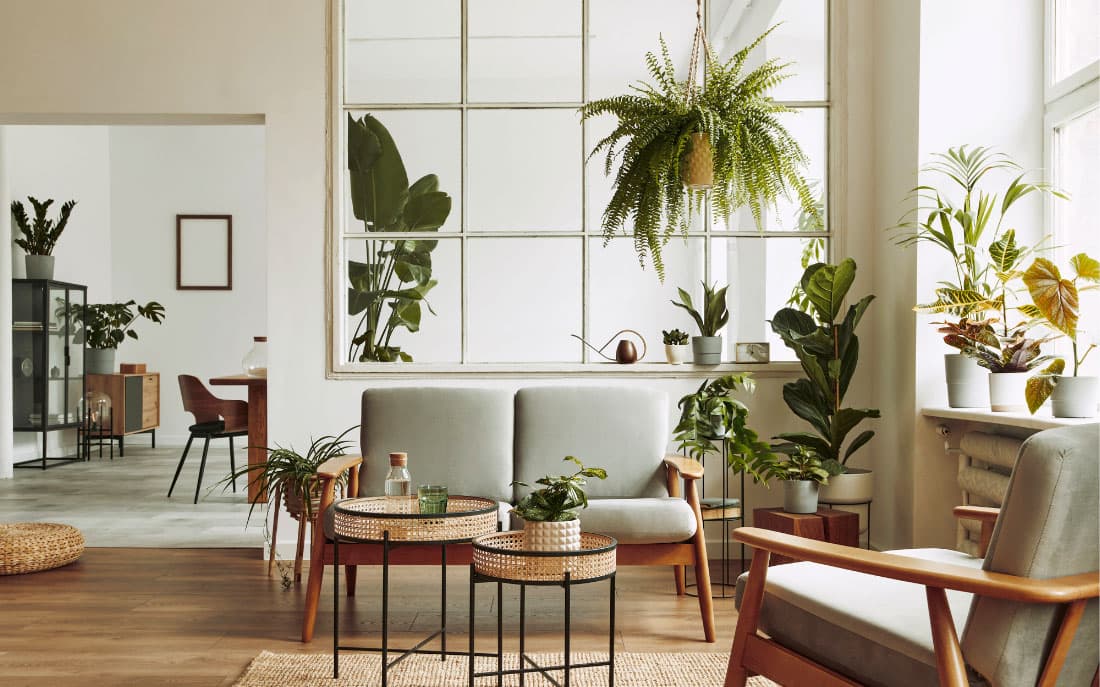
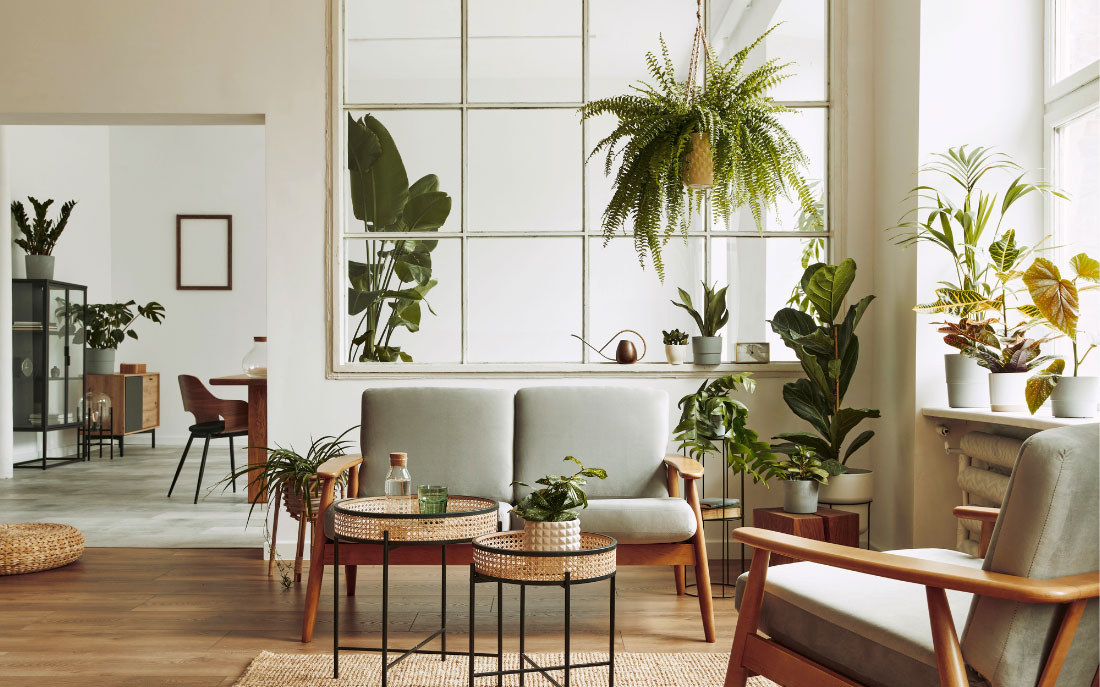
In an increasingly frenetic, hyper-connected world full of artificial stimuli, the need to re-establish authentic contact with nature is also felt - and above all - within the home. This is why today, in the world of interior design, we talk more and more often about "return to the essential", about harmony between form and function, and about design choices that put natural, sustainable, durable materials at the centre.
It's not just about aesthetics - even if the charm of living wood, raw stone or crumpled linen is undeniable - but about a real approach to living. Natural materials, in fact, are not simple decorative elements: they have a direct impact on our psychophysical well-being, on the quality of the air, on the perception of spaces, on the feeling of comfort we feel at home.
In this article we will explore the main advantages of choosing natural materials in interior design, focusing on what makes them not only beautiful, but also functional and long-lasting. And we will discover why, for Viemme61, sustainable design is not a trend, but a conscious and planning choice.
The authentic value of natural materials
When we talk about natural materials at home, we are referring to all those raw materials that come directly from nature or that undergo minimal and environmentally friendly transformation processes. Wood, stone, cotton, linen, ceramic, glass, metal, cork, raw earth: each of these elements brings with it unique characteristics, both from an aesthetic and technical point of view.
There is a value that is immediately perceived by touch, in the consistency, in the temperature of a surface. A wooden floor is warm underfoot. A stone wall gives a sense of solidity and stability. A linen fabric allows light to pass through it delicately. This type of material does not only communicate with the eyes, but involves all the senses, creating a profound bond between the person who lives there and the inhabited space.
Furthermore, there is an aspect that is often underestimated: natural materials age well. Over time, they do not lose value: they acquire character. A wood that changes shades, a stone that shines where it is walked on most, a fabric that softens over the years... all this contributes to giving the house a living, constantly evolving dimension.
Aesthetics and materiality: when nature becomes design
One of the reasons why natural materials are increasingly chosen in contemporary interiors is their intrinsic decorative power. No artifices are needed when a wall is covered in solid wood, or when a kitchen countertop is made of marble or travertine.
These materials bring with them an authentic beauty, made up of imperfections, knots, veins, porosity. Each element is different from the other, unique. And this uniqueness translates into personality.
Contemporary design has learned to enhance this authenticity: natural materials are combined with clean geometries, essential shapes, neutral color palettes, enhancing their tactile and visual effect. It is the philosophy of "less but better", where formal simplicity meets material richness, and where the project does not impose itself but lets the material speak.
Furthermore, these materials adapt perfectly to different styles: whether it is a minimal, Scandinavian, industrial or contemporary rustic house, the natural elements always fit in coherently, becoming silent conductors between the various environments.
Living well-being: more than an aesthetic issue
In addition to beauty, natural materials bring numerous benefits related to the health and well-being of those who live in the space.
First of all, many natural materials — such as untreated wood, cork, organic cotton — have heat-insulating and breathable properties. They help maintain a balanced internal temperature and regulate humidity, improving the home microclimate.
Some materials, such as raw earth or cocciopesto, also have the ability to absorb and release humidity naturally, helping to prevent mold and condensation. Others, like thenatural fibers in fabrics and carpets do not release toxic substances and help keep the air cleaner.
But the most profound benefit is perhaps the sensorial and emotional one. Living in environments that speak the language of nature helps us slow down, find calm and concentration. Neuroscience and environmental psychology confirm that the presence of natural materials in interior spaces can reduce stress, improve the quality of sleep and increase the level of satisfaction with the living environment.
Durability: a sustainable and long-term choice
Another great advantage of natural materials is their durability. Unlike synthetic materials, which are often subject to rapid wear or degradation over time, natural ones are made to last.
A solid wood table can be sanded and repainted several times. A terracotta floor, if well treated, lasts for decades. Stone does not fear time, and indeed incorporates it as part of its beauty.
This resistance over time makes natural materials a sustainable choice, because it reduces the need for frequent replacements, minimizes waste and allows greater control over the origin and life cycle of the products.
Naturally, all this requires a conscious project: knowing how to choose the right material for the right function, foreseeing the correct maintenance, integrating the material with the context. But once made, it is an investment that pays off in the long run, not only economically, but also in terms of personal satisfaction.
How to integrate natural materials into your home
Inserting natural materials into an interior design project does not mean upsetting everything or giving up contemporary comfort. Often a targeted choice is enough to change the tone of an environment.
You can start from the floors - wood, stone, terracotta, bamboo - or choose wall coverings with natural textures. Even just one detail, such as a marble kitchen top or a stone sink, can give character to a space.
Textiles play an important role: linen curtains, jute carpets, wool throws or natural cotton cushions help create soft and welcoming atmospheres. The furnishings can also be selected by material: prefer solid wood furniture, raw iron elements, handcrafted ceramic lamps.
For a more global approach, you can think of a color palette inspired by nature - earth, sand, moss, stone, sky - and a lighting project that enhances the material without altering its perception.
a declaration of intent, an act of respect towards oneself, towards the environment and towards the idea of living with awareness.
For Viemme61, designing with natural materials means combining aesthetics, ethics and well-being. It means imagining spaces that last, that adapt, that age with beauty and dignity.