Blog
Decorating with artificial light: choosing lamps and systems for functional, emotional scenes
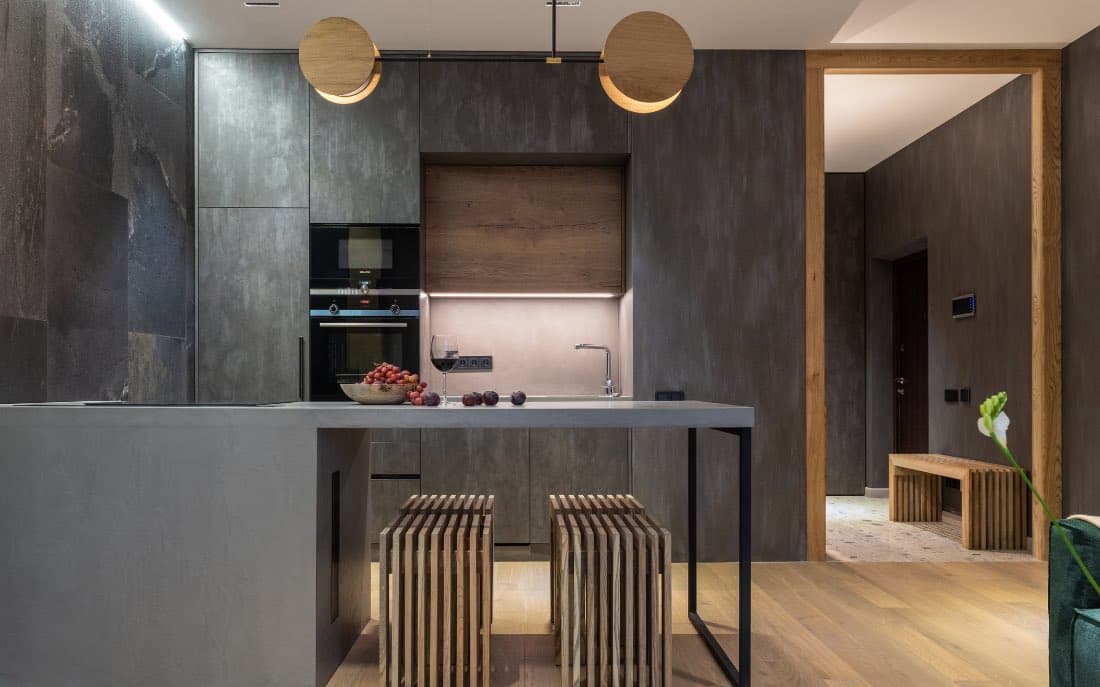
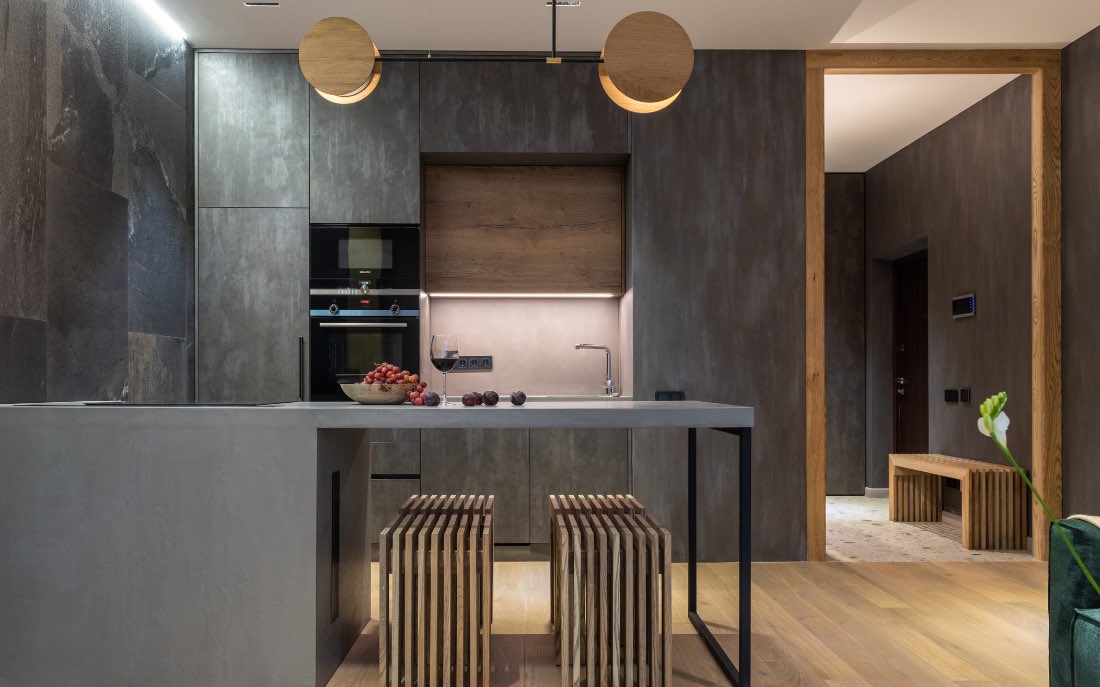
Light is not just a technical element, it is one of the most powerful tools for transforming a space. It can change the perception of a room, enhance materials, create atmosphere and even influence our mood. If natural light is the basis of a good project, artificial light is what allows you to shape the environment at any time of the day, adding scenography, function and emotion.
Light as part of the design
In an interior project, artificial light is never an "add-on" to finished works: it is an integral part of the concept. A lamp or a lighting system is not only used to "shed light", but to:
- Define the zones of a room.
- Emphasize materials and textures.
- Create visual depth.
- Influence the perception of space (enlarge it or make it more intimate).
- Building an atmosphere that reflects those who experience it.
Thinking of lighting as furniture means integrating it from the beginning, choosing not only the light points, but also the quality and temperature of the light.
Types of light: functional and emotional
Good design starts from a mix of functional and emotional light.
- Functional light: used to carry out daily activities (cooking, reading, working). It is direct, well distributed and designed to ensure visual comfort.
- Emotional light: creates atmosphere, enhances details, transforms space into an experience. It is softer, indirect, often modulable.
The secret is layering: superimposing different light sources to obtain flexibility and personalized scenarios.
The temperature of the light: warm or cold?
An often overlooked aspect is color temperature, measured in Kelvin (K).
- Warm light (2700-3000K): creates a welcoming and intimate atmosphere. Perfect for living rooms and bedrooms.
- Neutral light (3500-4000K): versatile, suitable for kitchens and work areas where balance is needed.
- Cold light (5000K and above): energizing, ideal for technical or work environments, but to be dosed at home.
Choosing the right temperature is essential to make a space "breathe" well and to make those who live there feel comfortable.
Zoned lighting: every space has its own light
Each environment requires a different approach:
- Living area: combines diffused light for general lighting and accent light points (floor lamps, wall lamps) to create atmosphere.
- Kitchen: the light must be functional. Use direct lamps on the worktops and diffused light for the environment.
- Bedroom: soft lights, preferably indirect, with dedicated points for reading or bedside tables.
- Bathroom: pay attention to the mirror lighting to avoid shadows. Alternate technical and warm light to create relaxation.
- Entrance: a good business card. Use accent lights to highlight architectural elements or furnishings.
Direct and indirect lights: the right mix
- Direct light: useful for illuminating specific areas and precision work. It must be positioned carefully to avoid glare.
- Indirect light: bounces off walls or ceilings creating a soft, uniform effect. Perfect for giving atmosphere and enhancing volumes.
A balanced design alternates the two to achieve dynamics and visual comfort.
Lamps as furnishings
Lamps are not just technical tools, but real pieces of design. A scenographic suspension above the table, an elegant floor lamp near the sofa, minimalist wall lamps that highlight a wall: each choice contributes to building the aesthetic identity of a space.
Tip: Choose lamps that speak the language of the home. In a minimal environment, prefer clean lines and simple materials. In an eclectic space, dare shapes and colors to create focal points.
Light technology and control
Home automation and smart systems have changed the way we experience light. Dimmers, programmable scenarios, remote control: today lighting can adapt to the needs of the momentwith a simple touch.
An effective idea is to create preset scenes: light for relaxing, for dinner, for reading, for work. This allows you to transform the same space in different ways without moving anything.
Materials and surfaces: how they interact with light
Artificial light interacts with materials and textures. A glossy wall reflects, an opaque surface absorbs, a translucent fabric diffuses. Knowing these interactions helps to enhance each element of the project.
An example: a warm wooden floor gains depth with grazing light; a stone wall comes to life with a light from above that enhances its materiality.
Common mistakes to avoid
- Only one central light point: it flattens the space and does not create atmosphere.
- Inconsistent temperature: Mixing lights that are too hot and too cold in the same environment creates visual confusion.
- Absence of accent points: without lights dedicated to details, the room loses character.
- Non-dimmable lighting: non-modular light limits the versatility of the space.
Enlightenment as an emotion
Artificial light is not just for seeing, but for hearing. It is what can make a room cold or welcoming, large or intimate, dynamic or relaxing. It is an invisible language that, if used well, tells stories and emotions. Thinking of light as an integral part of design means giving life to spaces. Because it's not enough to furnish a house: you need to illuminate it to make it truly live.