Blog
Natural light: how to make the most of it in an interior project
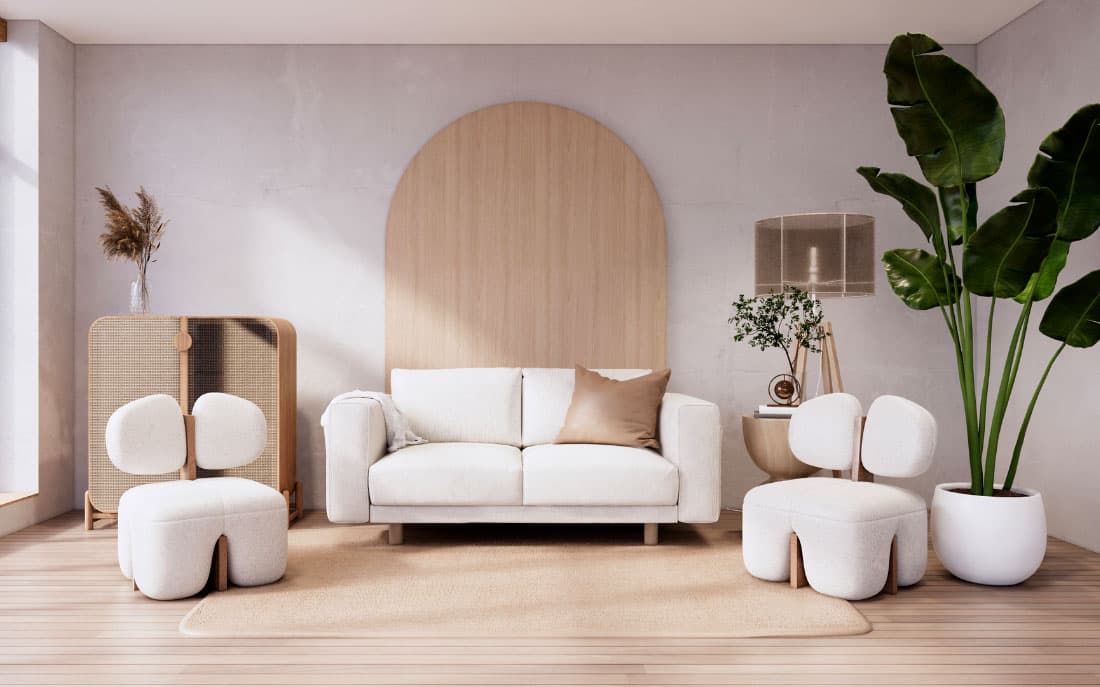
Architectural strategies and furnishings to favor it
Natural lighting is one of the most powerful and underrated elements in interior design.
Not only does it affect the aesthetics of an environment, but it also affects the psychophysical well-being of those who live there, the perception of space, and even energy consumption.
In a word: it's fundamental.
Knowing how to exploit it doesn't just mean having large windows or orienting a house to the south.
It means consciously designing the space so that natural light enters, is distributed harmoniously, is enhanced by surfaces and materials, and becomes a living and changing presence during the day.
Let's see how to design the interiors to welcome and amplify the light to the maximum
Why is natural light so important?
There are aesthetic, functional and emotional reasons why natural light makes a difference.
- Psychophysical well-being: several studies show that exposure to natural light improves mood, regulates the circadian rhythm and stimulates productivity.
- Perception of space: a naturally lit environment seems larger, more open and more airy.
- Energy saving: exploiting natural light reduces the need for artificial lighting, with environmental and bill benefits.
- Enhancement of materials: sunlight enhances textures, colors and details like no spotlight can ever do.
In summary, natural light is not imitated, it is welcomed.
Orientation and architecture: the project starts from the outside
Designing for natural light begins before the furnishings, already at an architectural level.
The orientation of the house, the position of the windows, the distribution of the rooms and the relationship with the outside are all fundamental elements.
- South orientation: it is the most favorable in temperate climates. It guarantees direct light for a good part of the day.
- East: morning light, perfect for bedrooms.
- To the west: warm, grazing light in the afternoon, ideal for living rooms or relaxation areas.
- To the north: more diffused, constant and soft light. Great for work spaces or kitchens.
If you are working on a renovation, and you cannot change the orientation, you can still intervene on the internal organization of the rooms to adapt them to the available light.
Windows, doors and openings: where and how
Windows are the main tools for bringing natural light inside.
But it's not just their size that counts. What matters is how they are positioned, what environments they serve, what materials accompany them.
Here are some ideas:
- Full-height windows: they bring in a lot of light and eliminate the border with the outside.
- Sliding French doors: ideal for living environments that open onto gardens or terraces.
- Skylights and zenithal windows: excellent for blind spaces or to create suggestive vertical light effects.
- Internal glass doors: allow light to pass from one room to another, even in the absence of direct openings.
The use of frosted or opaline glass can also help to diffuse light while avoiding
Colors and surfaces that reflect light
After letting the light in, it is important to manage it well within the space.
And this is where surfaces, materials and colors come into play.
- Light colors: white, beige, light gray and pastel shades reflect more light. They are perfect for walls, ceilings and light curtains.
- Glossy or satin surfaces: reflect natural light and amplify perceived brightness.
- Mirrors and glass: simple but very powerful tools for bouncing light from one area to another.
- Low and light furniture: they let the light flow freely, without blocking it.
But be careful: it is not necessary to create "white and sterile" environments.
Even with neutral palettes or with color accents you can play on the reflection of light by choosing appropriate finishes.
Furnishings and layout: allies (or obstacles) of light
The way you dposing the space can favor or penalize the diffusion of natural light.
Some tips:
- Avoid tall wardrobes or dark bookcases near windows: they block the passage of light.
- Prefer open layouts, with wide visual passages.
- Take advantage of multifunctional furniture with reflective surfaces.
- Use light carpets, especially on dark floors, to visually "lighten" the space.
In the kitchen, for example, you can place the sink or worktop near the window to work with natural light.
In the living room, create a reading nook where light falls naturally from one side.
Curtains and filters: measuring the light
We don't always want all the light possible: in the hot hours, in rooms facing south or west, it can be useful to "tame" it.
Curtains are precious tools if chosen carefully:
- Lightweight linen or cotton curtains: they filter the light while maintaining brightness.
- Adjustable roller blinds: allow you to modulate the entry of light based on the hours.
- Panel curtains or vertical screens: excellent for large windows and for creating plays of light.
In more advanced projects you can opt for home automation systems that adjust curtains and screens based on the position of the sun.
Natural light changes the atmosphere
Sunlight is never the same: it changes intensity, color and direction throughout the day and year.
Designing for natural light means accepting and enhancing this change.
An environment that thrives on natural light is a constantly evolving space, capable of changing mood, sensation and function depending on the time.
It's as if the space comes to life.
It may be useful, in the design phase, to observe the space at different times of the day.
Where does the light fall? Where does it create gray areas? Where can it be annoying?
“Difficult” environments? Creative ideas to increase natural light
It is not always possible to have ideal exposure or large windows.
In those cases, design can intervene with alternative solutions.
- Internal glass walls: open the space between a bright room and a dark one.
- High ceilings and light walls: they allow the environment to "breathe".
- Strategic mirrors: double the available light.
- Glass block inserts: they bring light into blind spaces such as corridors or bathrooms.
Sometimes just a few tricks are enough to radically change the atmosphere of a room.
Living in harmony with light
Designing with natural light is not just an aesthetic choice.
It is an act of attention towards those who will experience that space.
It means creating environments that respond to the body's natural rhythms, that are alive and welcoming, that never tire.
Each window becomes a frame, each reflection an additional detail.
Light cannot be controlled: it is listened to, guided, welcomed.
An interior design that takes natural light into account is a space that changes with the day, with the seasons, with people.
A place that breathes.
And where we too can do it better.