Blog
The role of lighting in interior design: function and aesthetics
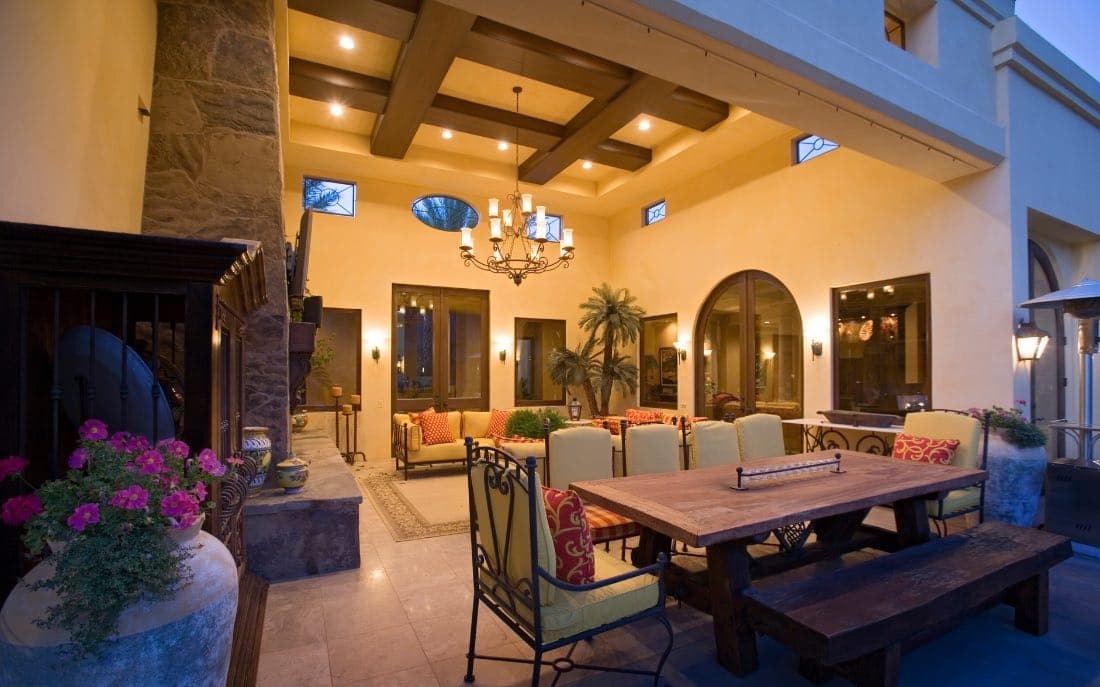
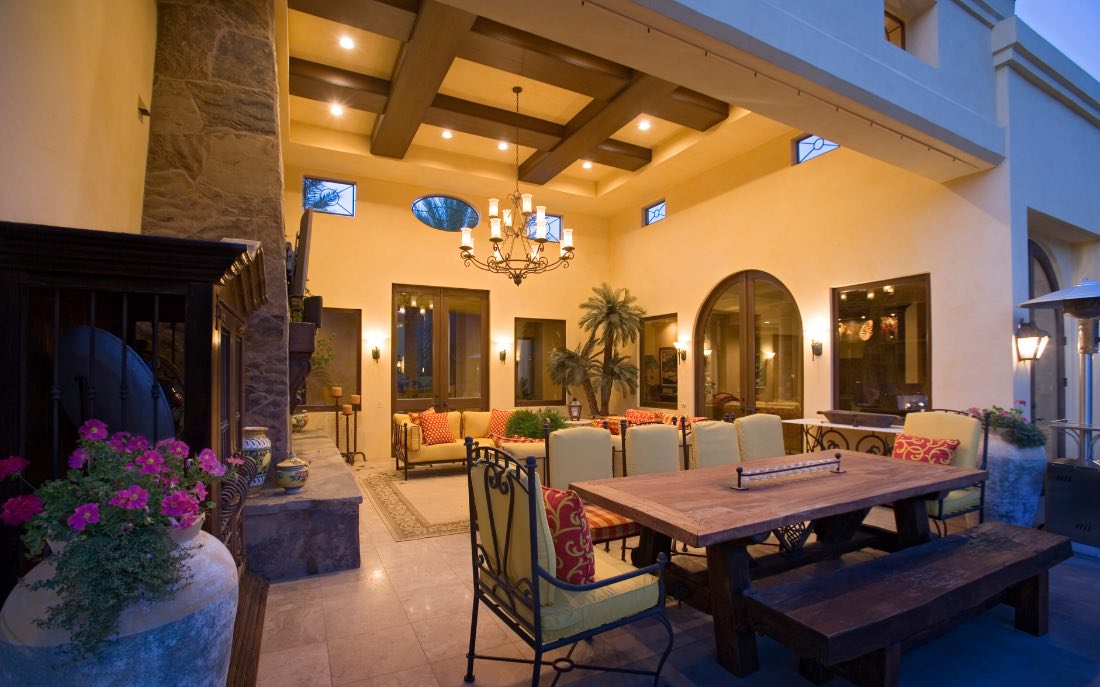
Lighting is one of the most important elements in interior design, but it is often underestimated compared to the choice of furniture or wall colors. A well-designed light does not just illuminate spaces: it creates atmosphere, enhances furnishings, improves the functionality of rooms and even influences our mood.
A well-lit room can seem larger and more welcoming, while the wrong light can make a space feel cold and unlivable. It's not just a matter of choosing between a warm or cold light, but of designing a lighting system that responds to the needs of each environment, creating a balance between functionality and aesthetics.
In this article we will explore how light can transform the perception of a space and what are the best strategies to achieve perfect lighting in your home.
Why is Lighting So Important?
Light plays a key role in our daily life. It not only allows us to carry out activities comfortably, but also influences our productivity, relaxation and even the quality of sleep.
Adequate lighting improves the liveability of spaces, helping to create a harmonious and welcoming environment. In a well-lit house, the furnishing details are enhanced and the perception of the space changes completely.
Let's think of a room with a single ceiling lamp that emits a cold and flat light: the environment will feel impersonal and unwelcoming. If, however, we add strategic light points such as directional spotlights, floor lamps and wall lamps, the same room will become warmer, more dynamic and functional.
Lighting must not be seen only as a practical element, but as a real design tool capable of shaping environments and influencing our emotions.
Types of Lighting: Functionality and Aesthetics Compared
Each room in the house has different needs, and this is why lighting must be carefully studied. There are three main types of lighting that, when combined correctly, can transform any space.
General Lighting
It is the main light source of a room and serves to ensure uniform brightness. It is usually represented by chandeliers, ceiling lights or recessed spotlights.
However, relying only on general lighting can make an environment feel flat and lacking in character. It is essential to combine it with other types of light to create depth and movement.
Accent Lighting
This typology is used to emphasize architectural details, works of art or decorative elements. Accent lights can be wall sconces, directional spotlights or LED strips, capable of highlighting particular corners of the house and creating focal points.
Let's think of a bookcase lit from inside or a painting enhanced by a small spotlight: these details help give personality to the rooms.
Functional or task lighting
This light is designed to facilitate specific activities, such as reading, cooking or working. It is essential in operational areas of the house, such as desks, hobs or bathroom mirrors.
A reading lamp next to the sofa, spotlights under the kitchen cabinets or a targeted light near the mirror in the bathroom improve the practicality of the spaces and make every activity more comfortable.
Well-designed lighting is one that manages to balance these three types of light, creating a harmonious and well-studied environment.
Lighting and Atmosphere: The Power of Light on Our Moods
Light not only affects visibility, but has a direct impact on our psychophysical well-being. Our brain reacts differently to warm light than cold light, and this is reflected in our mood and daily habits.
Warm or Cold Light? Which one to choose?
The bulbs are distinguished bycolor temperature, measured in Kelvin (K):
- Warm light (2700K – 3500K): It has a yellow-orange tone and is ideal for environments dedicated to relaxation, such as living rooms and bedrooms. Create a welcoming and intimate atmosphere.
- Neutral light (3500K – 4500K): It is a balanced light, similar to natural light, perfect for kitchens, bathrooms and work areas.
- Cold light (4500K – 6500K): It has a shade tending towards bluish-white and is suitable for offices and environments that require high concentration.
How to Light Up the Different Rooms of the House
Each room has different lighting needs. Let's see how to choose the right light for each environment.
Living room
The living room is one of the most lived-in spaces in the house, so the lighting must be versatile. A central chandelier can be the main source, but it must be accompanied by floor lamps and spotlights to create a welcoming and dynamic atmosphere.
Dimmable lights can be a great solution for adjusting the intensity depending on the time of day.
Kitchen
In the kitchen, clear and well-distributed light is essential. The spotlights under the wall units are essential for illuminating the worktops, while a suspension above the table makes the environment more convivial.
Bedroom
The bedroom must convey calm and relaxation. The main lighting should be warm and soft, accompanied by bedside lamps or wall lights for reading.
Bathroom
The bathroom requires functional, shadow-free light. A good combination is a main ceiling light and side lights around the mirror to ensure optimal visibility.
Office or study area
If you work from home, well-designed lighting is essential. A desk lamp with neutral or cold light helps improve concentration without tiring the eyes.
Lighting and Design: Elements That Make the Difference
Lighting is not just a question of functionality, but also of aesthetics. Choosing lamps with an attractive design can become a way to add character to the home.
Pendant lamps create interesting scenography, while LED strips can give a modern and innovative touch. Recessed lights are also great for a clean, minimalist look.
The combination of materials such as glass, metal and wood in the lamps can further enrich the style of the house.
Lighting is one of the most powerful tools in interior design. A well-lit home is not only more functional, but also becomes a pleasant environment to live in. Playing with different types of light, choosing the right temperature and distributing the light points carefully allows you to completely transform the atmosphere of a space.