Blog
Design beyond appearance: studying how rooms function
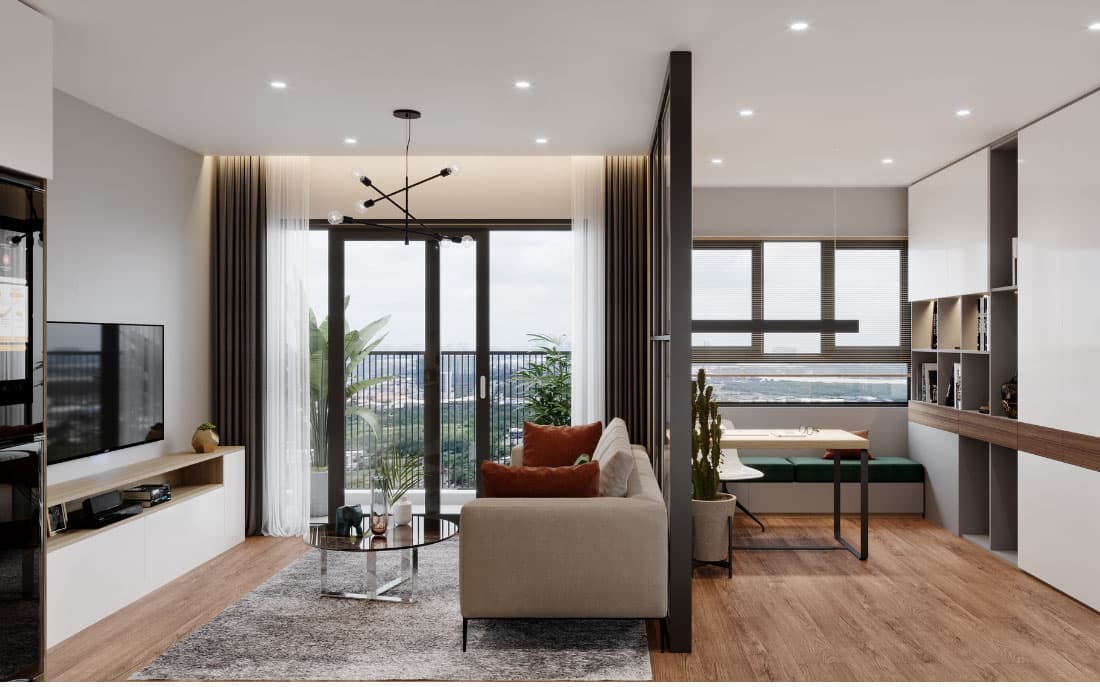
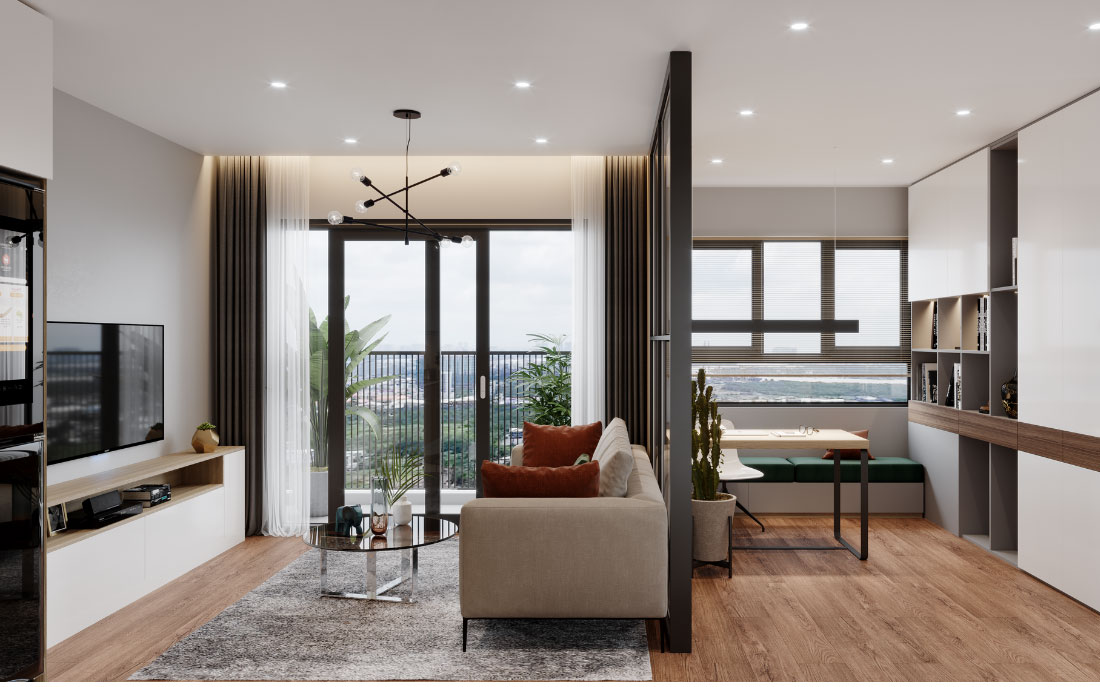
When we think about design, it's easy to get caught up in the external beauty, elegant lines and eye-catching colors. However, reducing design to aesthetics alone means ignoring one of its most essential components: functionality. Good design is not only beautiful to look at, but must also respond to the practical needs of those who live in or use the designed spaces.
In this article we will explore how the design of environments is based on a deep understanding of functionality, going beyond the external.
The Role of Design in Daily Life
Design is everywhere: in our homes, offices, public places and even in the devices we use every day. But what makes a truly effective design? The answer lies in the balance between aesthetics and functionality. While aesthetics capture attention and can evoke emotions, it is functionality that determines whether a space will be truly useful and comfortable.
The Importance of Ergonomics
A fundamental aspect of functional design is ergonomics, the science that studies the interaction between humans and the elements of a system. In a well-designed environment, furnishings and spaces must be comfortable and safe to use, minimizing physical effort and stress. For example, an ergonomic chair is designed to support the spine and promote correct posture, preventing back problems. Likewise, the layout of a kitchen must allow for fluid movement and easy access to utensils and ingredients, making meal preparation more efficient and enjoyable.
The Psychology of Spaces
The design of an environment cannot ignore the consideration of psychological aspects. The way a space is organized can profoundly influence our mood and behavior. Colors, lights, materials and spatial arrangements all impact our sensations. For example, warm colors like red and orange can stimulate and energize, while cooler tones like blue and green tend to relax and calm.
A well-designed space also takes into account the need for privacy and socialization. In an office, for example, it is important to balance open areas for collaborative work with private spaces where you can concentrate without distractions. The quality of lighting, both natural and artificial, plays a crucial role in creating a comfortable and productive environment.
Functionality and Sustainability
Another crucial aspect of functional design is sustainability. Designing with attention to the environment does not only mean using ecological materials, but also creating spaces that optimize energy efficiency and reduce waste. The use of advanced technologies such as LED lighting, smart heating and cooling systems, and efficient insulation can significantly reduce a building's environmental impact.
Sustainability in design is not only about the construction and use of spaces, but also their durability. A well-thought-out design must be able to adapt to changes over time, avoiding the need for frequent renovations. This involves a careful choice of durable materials and flexible solutions that can evolve with user needs.
Design in Contemporary Architecture
In contemporary architecture, functional design has taken on a predominant role, becoming an essential component for the design of buildings and public spaces. Modern architects and designers work closely with engineers and specialists in various fields to create structures that are not only aesthetically pleasing, but also extremely functional.
A remarkable exampleand is represented by buildings designed with energy efficiency criteria. These buildings use innovative technologies such as solar panels, rainwater collection systems and ventilated facades to reduce energy consumption and improve occupant comfort. The goal is to create spaces that not only have minimal impact on the environment, but also improve the quality of life of those who use them.
Design in Everyday Products
Even in the field of everyday products, functionality is a crucial aspect of design. Every object we use, from electronic devices to kitchen utensils, is the result of a careful study of the user's needs. Good product design takes into account factors such as ergonomics, ease of use, durability and efficiency.
Let's take smartphones for example. In addition to being aesthetically appealing, these devices must be easy to use, comfortable to hold and equipped with functions that make daily life easier. Every detail, from the position of the buttons to the quality of the screen, is designed to offer an optimal user experience.
To better understand how functionality can be integrated into design, let's consider some practical examples. Let's take the case of a modern office. In a work environment, design must facilitate collaboration between teams without compromising the ability to focus on individual tasks. Solutions such as movable walls, modular furnishings and multifunctional spaces allow you to adapt the environment to the different needs of the moment.
Another example could be a restaurant kitchen. Here, the arrangement of the elements must follow a precise logic to guarantee efficiency and safety. Easy-to-clean surfaces, adequate lighting and organization that minimizes unnecessary movement all contribute to a successful and functional design.
Ultimately, design cannot be reduced to a simple question of aesthetics. Functionality is a central element that determines the value and effectiveness of a project. A successful design is one that manages to combine beauty and practicality, creating environments that not only please the eye, but also improve the quality of life of those who use them. The key to success lies in the ability to understand and respond to human needs, through innovative and sustainable solutions. Only in this way can design truly make a difference, transforming spaces into places where aesthetics and functionality coexist harmoniously.