Blog
The appeal of minimalism: creating essential, elegant spaces
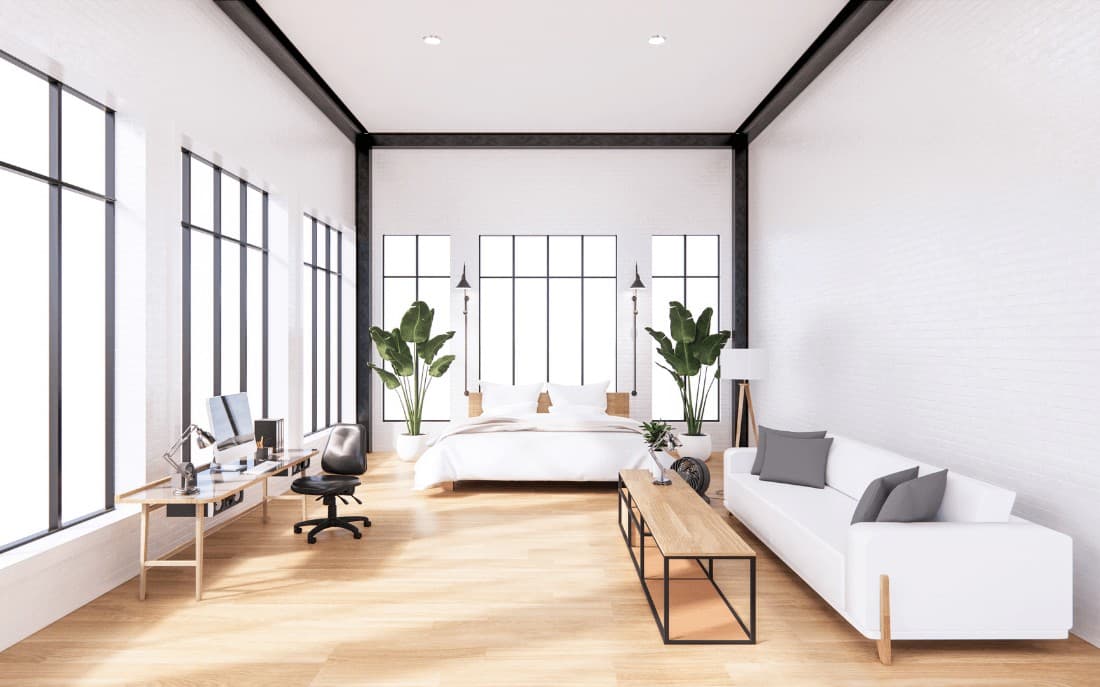
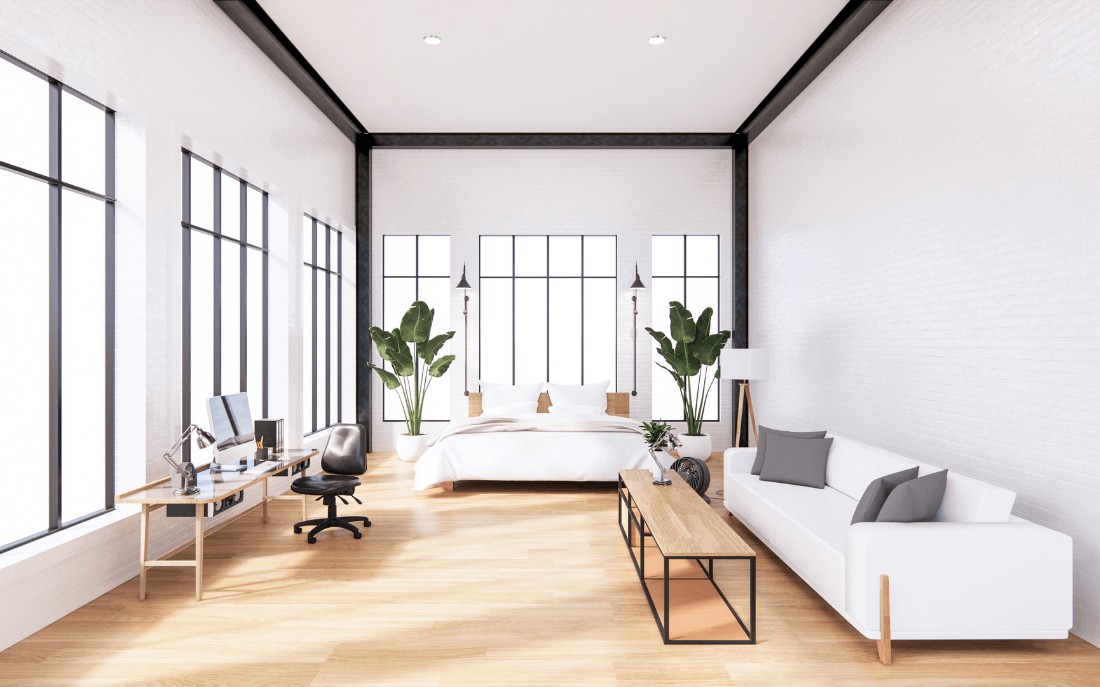
Minimalism in interior design is much more than a simple trend: it is a philosophy of life that celebrates simplicity, order and essentiality. In a world where we are constantly surrounded by stimuli and superfluous objects, minimalism presents itself as an antidote to chaos, offering clean, harmonious and functional spaces.
Creating a minimalist environment does not mean depriving yourself of everything, but rather carefully selecting what really matters, focusing on quality and refinement. Minimalist spaces are airy, balanced and convey a sense of calm and well-being.
In this article we will discover the fundamental principles of minimalism in furnishing, exploring strategies to eliminate the superfluous, choose functional and elegant furnishings and create environments that promote serenity and comfort.
Minimalism: A Harmony between Aesthetics and Functionality
One of the most fascinating aspects of minimalism is the perfect balance between aesthetics and functionality. Each furnishing element has a specific purpose and contributes to the harmony of the space.
The clean lines and simplicity of the shapes define the minimalist style, which stands out for its ability to create beauty through subtraction. The goal is to eliminate visual clutter and leave only what is truly essential, making the rooms more spacious, bright and relaxing.
Materials play a fundamental role in this philosophy: smooth surfaces, natural textures and a neutral color palette create a sophisticated and welcoming atmosphere. The strategic use of light, both natural and artificial, helps to enhance every detail, avoiding excesses and unnecessary overloads.
How to Create a Minimalist Environment: The Fundamental Rules
1. Decluttering: Eliminate the Superfluous
The first step in adopting a minimalist style is decluttering, or removing unnecessary objects. Each element must have a precise function or aesthetic value.
To get started, it's useful to ask yourself a few questions: Do I really need this item? Does it give me a sense of harmony? If the answer is no, it's probably time to get rid of it or find a more functional solution.
Avoiding accumulation does not mean having bare and impersonal spaces, but letting each element have the right breathing space, allowing the house to "breathe" and seem larger and tidier.
2. A Palette of Neutral and Harmonious Colors
Colors in minimalism are key to creating relaxing and cohesive environments. Neutral shades, such as white, beige, gray and dove grey, dominate minimalist spaces, giving a sense of continuity and lightness.
However, that doesn't mean colors are banned. Touches of darker or pastel shades, inserted through furnishing accessories or works of art, can add depth and character to rooms without compromising visual balance.
3. Functional Furniture and Clean Lines
In minimalist design, the quality of furniture prevails over quantity. The furnishings must be chosen carefully, focusing on essential design pieces that are well proportioned to the space.
The shapes are simple and linear, without excessive decoration or unnecessary details. A solid wood table with thin legs, a sofa with clean lines and a bed with a minimal structure are perfect examples of how to combine elegance and simplicity.
Materials such as wood, glass, metal and natural stone integrate perfectly into a minimalist environment, adding texture and depth without overwhelming the room.
4. The Importance of Light and Space
One of the key elements of minimalism is light. The rooms must be bright and airy, making the most of natural light.
To achieve this effect, it is important to choose light curtains or even leave the windows free, avoiding too heavy fabrics that block the passage of light. Artificial lighting must be well designed, with lamps with simple shapes and refined materials.
The arrangement of the furniture also plays a fundamental role: leave spaceAmong the elements it helps to create a sense of fluidity and movement, making environments feel larger and more relaxing.
5. Few Accessories, but Well Selected
Minimalism does not mean completely eliminating accessories, but carefully choosing those that really enhance the space.
A work of art, a sculpture or a ceramic vase can become the focal point of the room, as long as they are inserted judiciously and without overloading the environment. Plants are an excellent complement, because they add a touch of nature and freshness without interrupting the visual harmony.
Minimalism and Wellbeing: Why Simplifying Spaces Improves the Quality of Life
Adopting a minimalist style is not only an aesthetic choice, but also has a positive impact on our quality of life.
A space that is tidy and free of distractions helps reduce stress and improve concentration. Living in an essential and organized environment promotes relaxation and mental well-being, allowing us to feel lighter and less overwhelmed by daily chaos.
Furthermore, minimalism promotes a more sustainable lifestyle, because it teaches us to buy less, but better. Choosing quality furniture and functional objects means reducing waste and investing in solutions that last over time.
How to Apply Minimalism to Different Rooms in the House
Living room
The minimalist living room must be a welcoming and relaxing space, with a few well-chosen furnishings. A comfortable sofa, a basic coffee table and a wall decorated with a work of art or a well-organized bookcase are enough to create a harmonious environment.
Bedroom
The bedroom should be an oasis of tranquility. A bed with simple lines, sheets in natural fabrics and a few well-placed accessories make the space perfect for rest.
Kitchen
In the kitchen, minimalism translates into clean surfaces, functional furniture and efficient organization. Avoiding too many visible tools and choosing quality materials makes the space tidier and more practical.
Bathroom
A minimalist bathroom focuses on materials such as stone, ceramic and wood, with few accessories and neutral shades that convey a sense of cleanliness and relaxation.
Minimalism is much more than a furnishing style: it is a way of life that brings order, balance and beauty to our everyday lives. Creating essential and elegant spaces means carefully choosing each element, focusing on quality materials, functional furniture and an organization that reflects the true needs of those who live in the house.