Blog
The most common furnishing mistakes — and how to avoid them
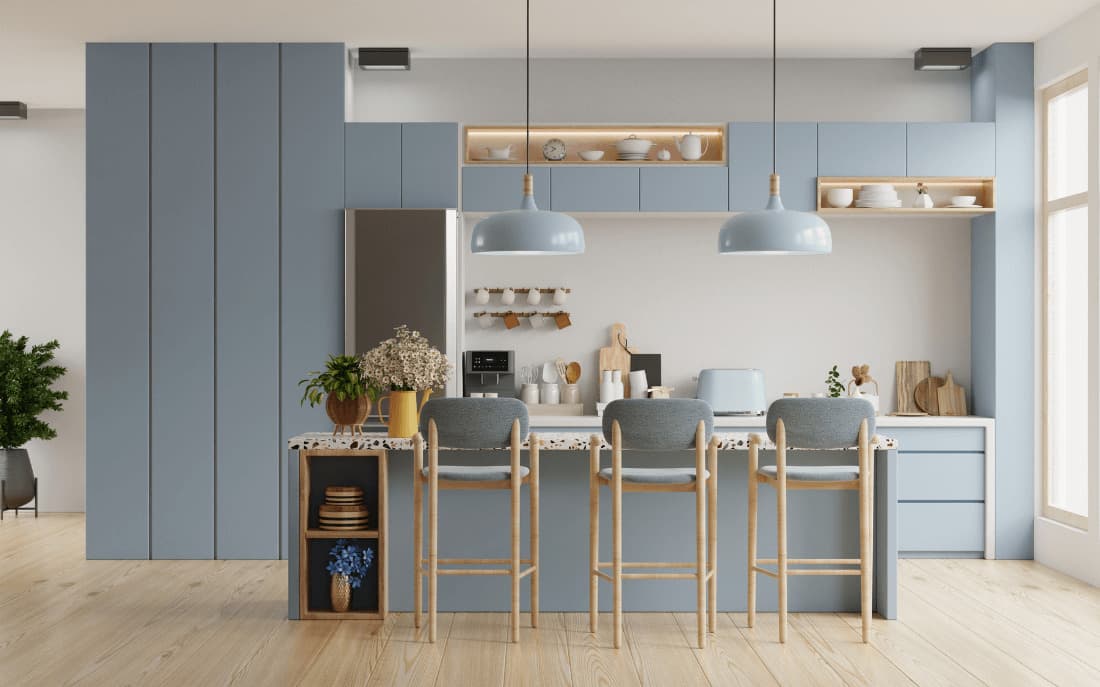
Furnishing a home is an exciting experience, but it can also hide many pitfalls. The choice of furniture, colours, materials and decorations may seem simple, but a small mistake is enough to compromise the harmony of an environment. In fact, we often tend to follow trends without considering the functionality of the space, we purchase furniture without precise planning or we overload the rooms with too many decorative elements.
To obtain a balanced, practical and harmonious decor, it is important to know the most common mistakes and know how to avoid them.
In this article we will explore the most frequent oversights in interior design and provide practical advice for furnishing the home in a functional and aesthetically pleasing way.
1. Don't Consider the Proportions of Spaces
One of the most frequent mistakes in furnishing is choosing furniture that does not respect the proportions of the room. Often, sofas are purchased that are too large for a small living room or dining tables that are disproportionate to the available space.
How to avoid it: Before purchasing a piece of furniture, it is essential to take exact measurements of the space and check that the chosen object fits harmoniously. It can be useful to create a plan of the room, even with a simple sketch on paper, to better visualize the arrangement of the furniture. Furthermore, it is a good idea to leave enough space for passage between furnishings, avoiding making the environment suffocating.
2. Choosing Colors Without a Strategy
Color is a key element in interior design, but is often chosen without an overall vision. A common mistake is to use too many different shades, creating a chaotic and less than harmonious effect, or to opt for very dark colors in small rooms, making them even more restricted.
How to avoid it: Before painting your walls or purchasing furniture and fabrics, it's helpful to define a consistent color palette. Neutral shades such as white, beige and gray are perfect for creating a balanced base, to which touches of color can be added with accessories or decorative elements. Also, if you choose a dark color, it's important to balance it with good lighting and lighter materials to avoid an overwhelming effect.
3. Inadequate Lighting
Another very common mistake is neglecting lighting. A room with only one central light point tends to appear flat and unwelcoming, while too bright lighting can be annoying and not very relaxing.
How to avoid it: Lighting should be layered, combining different light sources. In addition to general light (chandeliers or ceiling lights), it is important to add accent lights, such as wall lamps and spotlights, to highlight particular areas of the room. Table and floor lamps are also useful for creating more intimate and welcoming atmospheres. Furthermore, the use of adjustable lights allows you to adapt the intensity depending on the time of day and needs.
4. Buying Furniture Without Planning the Overall Style
Sometimes we tend to buy furniture individually, without considering the overall style of the house. This often leads to an inconsistent result, with elements that do not combine harmoniously with each other.
How to avoid it: Before purchasing new furniture, it is useful to define the furnishing style you want to follow. It is not necessary for everything to be perfectly coordinated, but it is important that there is a common thread that unites colours, materials and shapes. Mixing different styles can be a winning choice, but only if done with criteria and attention to overall balance.
5. Too Many Furnishings and Decorative Objects
While on the one hand accessories are essential for personalizing the home, on the other the risk of exaggerating is always around the corner. An excess of ornaments, paintings and decorations can create a confusing and unrelaxing environment.
How to avoid it: Less is more. Better to choose a few well-selected decorative pieces, rather than filling every surface with objects. Accessories must ebe chosen with care, enhancing the space without weighing it down. For example, a wall decorated with a well-balanced composition of paintings has a stronger visual impact than a series of small objects scattered haphazardly.
6. Disregarding the
Feature Beautiful but not very functional furniture quickly becomes a problem. Uncomfortable chairs, tables that are too low or cupboards with little capacity can make daily life difficult.
How to avoid it: Before purchasing furniture, you should always ask yourself if it is suitable for your daily needs. For example, a kitchen with little storage space may be beautiful to look at but inconvenient to use. Each element must be practical as well as aesthetically pleasing.
7. Underestimating the Importance of Tissues
Fabrics play an essential role in furnishings, but are often chosen without considering harmony with the rest of the elements. A carpet that is too small, curtains of an inconsistent color or cushions placed haphazardly can compromise the final effect.
How to avoid it: The fabrics must be coordinated with the rest of the furniture. A carpet, for example, must be proportionate to the size of the room and the sofa, while the curtains must be chosen based on the natural lighting and style of the environment. The quality of the materials is also important: natural fabrics such as linen and cotton help create a welcoming and sophisticated atmosphere.
8. Neglecting the Distribution of Space
Sometimes we tend to overfill a room or, on the contrary, leave too many empty spaces, compromising the balance of the environment.
How to avoid it: Before arranging the furniture, it is useful to study a distribution that allows freedom of movement and enhances the perception of space. For example, in a living room, the sofa should not be positioned too close to the walls, but left to "breathe" to give a sense of openness to the room.
9. Not Making the Most of Vertical Space
Another common mistake is to focus only on the furnishings on the floor, neglecting the walls. This often leads to inefficient use of space, especially in small rooms.
How to avoid it: The walls can be used with shelves, full-height bookcases or modular solutions that allow you to optimize the space without taking up the floor.
Avoiding these common furnishing mistakes can make the difference between a chaotic home and a harmonious, welcoming home. Planning the space carefully, choosing colors and materials wisely, balancing accessories and focusing on functionality are the keys to creating beautiful and practical environments.