Blog
Balance of solids and voids: the importance of negative space in interior design
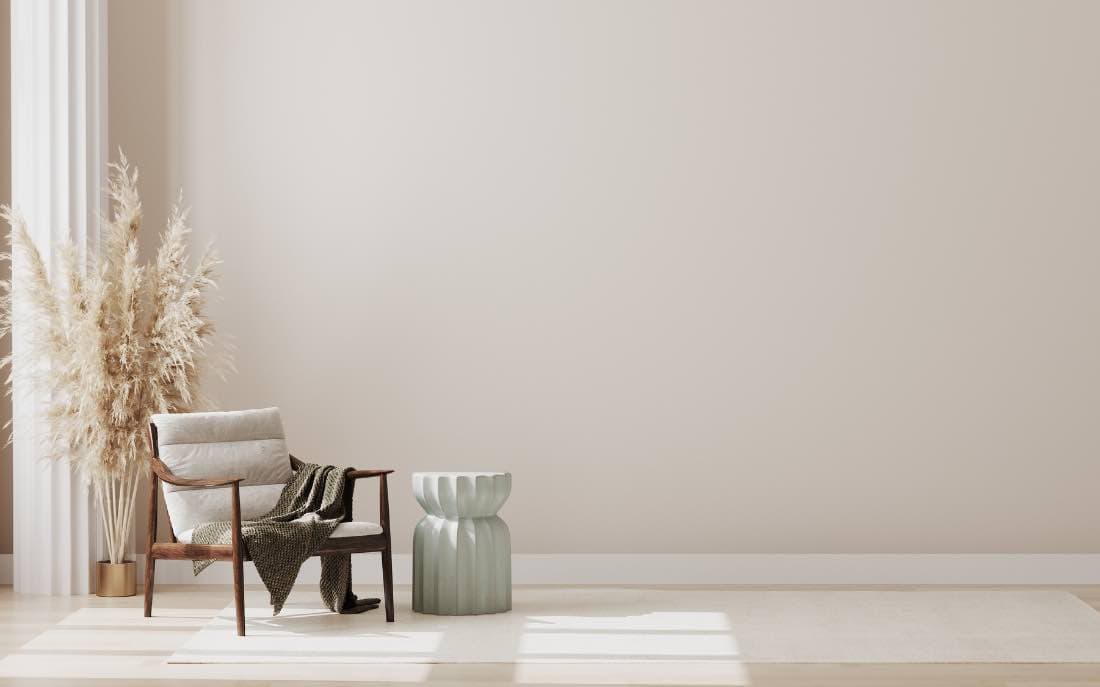
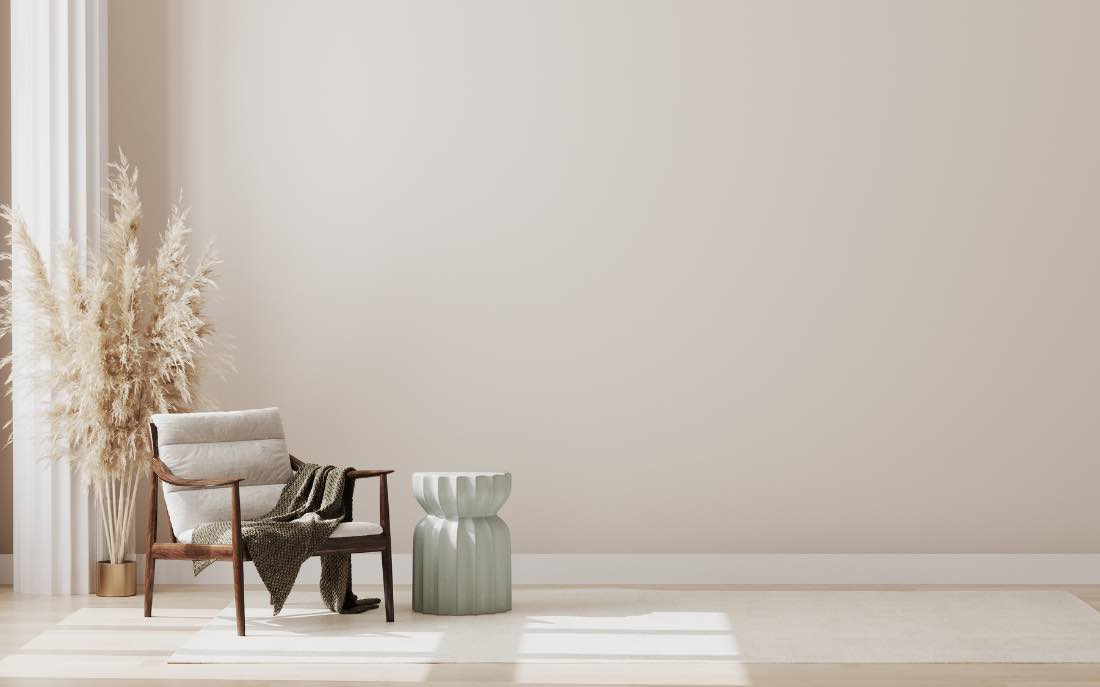
When we think about designing an environment, our attention often goes to the elements that fill it: furniture, colors, decorations. We focus on what we can include, forgetting that one of the most powerful factors in interior design is not what we see, but what we leave empty. This concept, known as negative space, is what allows an environment to breathe, communicate balance and enhance every element within it.
Negative space is not absence, but invisible presence. It is the "silence" between the notes of a melody, the pause that makes a word stronger, the frame that gives value to a painting. In interior design, it means giving the right importance to free spaces, creating harmony between full and empty spaces.
What is negative space and why is it so important
Negative space is everything that is not occupied by furniture or decorations: free walls, open corners, empty surfaces. It is often perceived as a "lack", but in reality it is a design element as much as the solids.
Its main function is to give breathing space to the environment. Without empty spaces, even the most elegant room risks being chaotic and suffocating. With the right balance, however, the negative space:
- enhances the objects present, making them emerge;
- makes the environment more harmonious and tidy;
- facilitates movement and use of spaces;
- contributes to psychological well-being, reducing the feeling of visual overload.
The psychology of the void
Our brain not only interprets full spaces, but also empty spaces. Free spaces convey calm, while a saturated environment can generate anxiety or mental tiredness. In a home, this means that the right use of vacuum contributes to emotional comfort and the perception of balance.
The void, if designed, becomes a visual pause that allows the eyes to rest. It is what transforms an interior from “filled” to thought out.
How to work with solids and voids
The balance between what is there and what is missing is a question of proportions and intention. It's not about leaving free spaces at random, but about building a visual rhythm.
An example: a wall completely covered with paintings can be beautiful if balanced by a free wall next to it. A large dining table gains strength if there is enough space around it to breathe. An important sofa becomes the protagonist when it is not suffocated by too many other furnishings.
The trick is to think of empty spaces as active elements of the project, not as areas “to be filled in the future”.
Negative space and furnishing styles
Each style interprets voids differently. Minimalism makes it a pillar: few elements and lots of free space to enhance them. The Scandinavian style uses emptiness to convey lightness and functionality. Even richer styles, such as classic or eclectic, work better when they alternate full and empty spaces, avoiding the accumulation effect.
This shows that negative space is not synonymous with minimalist style, but a universal principle: whatever the aesthetic, a balance is needed between what fills and what lets breathe.
Negative space as a narrative tool
Emptiness can also guide the gaze. In a room, leaving free space around a key element – a painting, a sculpture, a fireplace – transforms it into a focal point. It's as if the void is saying: look here, this is important.
Even in open spaces, the void helps to define functional areas without the need for walls: a living area distinct from the dining area only thanks to the layout and free spaces becomes more fluid and harmonious.
The importance of light
Light is the ally of negative space. A free area illuminated by natural light becomes a visual breath. Artificial light can also underline voids, creating dynamics between shadow and fullness. In this sense, designing the void also means thinking about how it will be "filled" by light during the day.
Common mistakes to avoid
One of the mistakesmore frequent is fearing the void and wanting to fill it at all costs. Furnishings or decorations are often added not out of necessity, but to "not leave bare spaces". This leads to visual overload that impoverishes the environment.
The other extreme is to leave too much emptiness without intention, creating spaces that feel incomplete. The balance lies in giving meaning to the void, making it an active part of the project.
How to start working with voids
If you are thinking of redesigning your home, try looking at the spaces with new eyes: which areas could benefit if left free? Which objects deserve more breathing space?
Sometimes just moving a piece of furniture or removing an accessory is enough to change the perception of the entire environment. Creating balance between full and empty spaces does not always require drastic interventions, but awareness.
A house that breathes
Ultimately, negative space is what allows a home to breathe. It is the silence between the words, the pause that gives meaning to the music. An interior that knows how to use voids becomes more harmonious, functional and welcoming.
Thinking of voids not as absences but as invisible presences is a change of perspective that makes design more mature and more human. Because a house is not only made up of what it contains, but also of the space it leaves for living, moving and feeling.