Blog
What style are you? How to tell
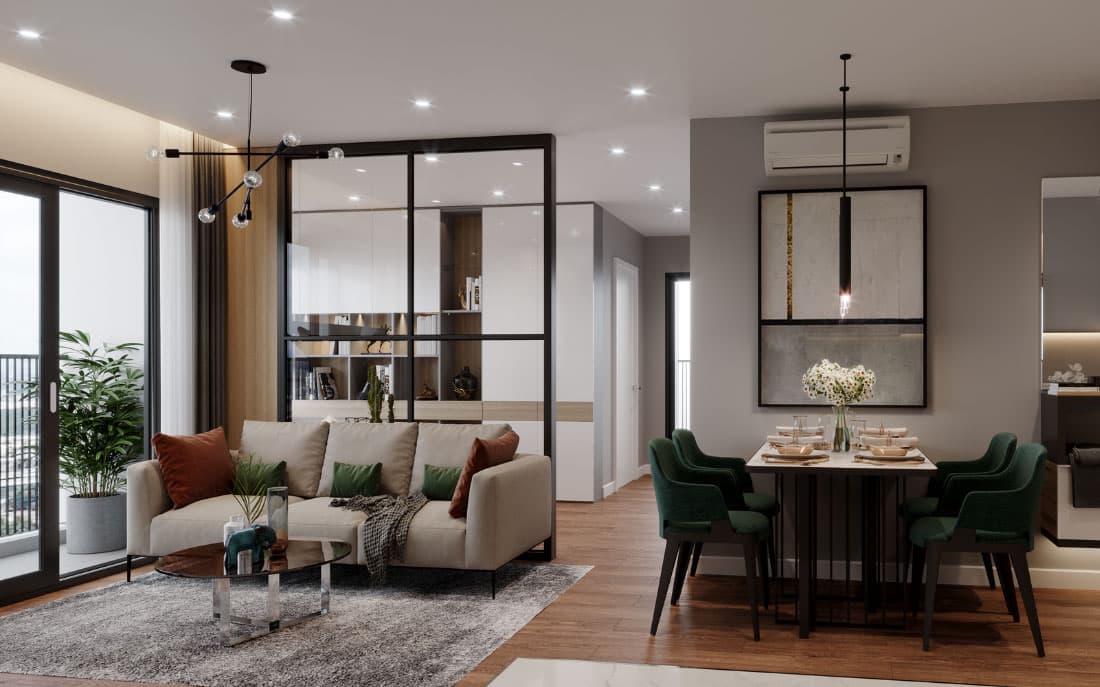
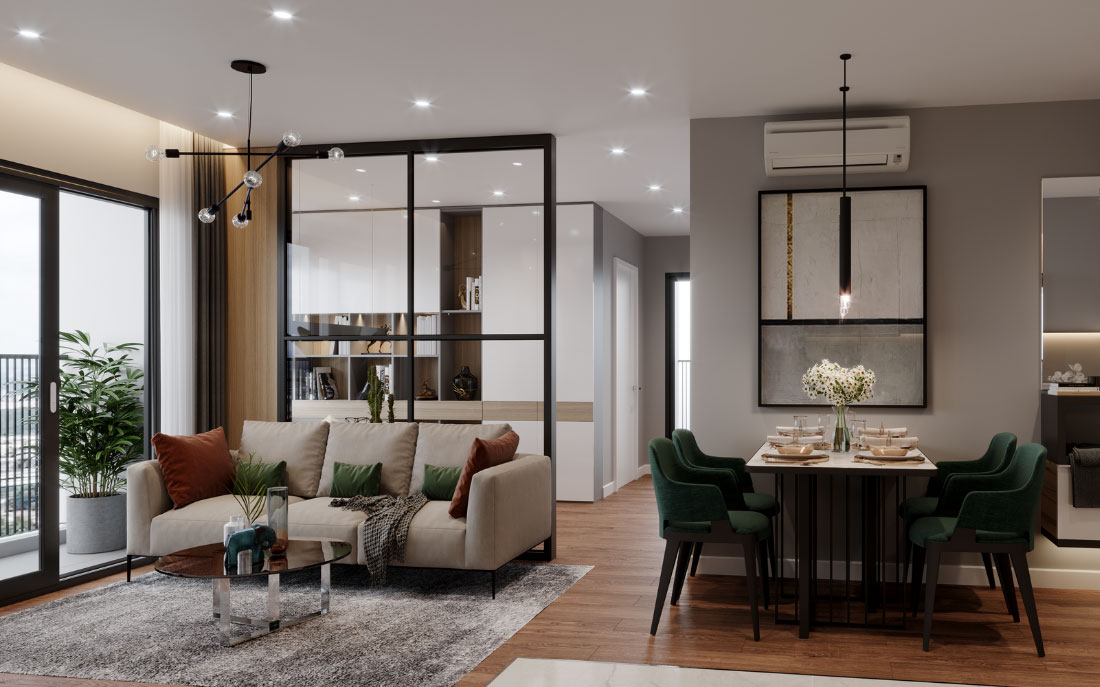
The home is an extension of one's personality and the way we choose to furnish it can say a lot about who we are. However, with so many options and trends available, it can be difficult to figure out which style truly reflects us.
This article will guide you through the process of discovering your personal style, helping you create a space that truly represents you.
Understanding the importance of personal style
Interior design is not just a matter of aesthetics; it is also a question of functionality and comfort. A well-designed space can improve quality of life, increasing well-being and productivity. Finding your style means creating an environment that not only looks beautiful, but works well for you and your lifestyle.
Exploring the basics of interior design styles
Before you dive into discovering your personal style, it's helpful to learn about some of the most popular interior design styles. Here is an overview of some of the main styles:
Modern Style
Modern design focuses on clean lines, neutral colors and industrial materials. It is characterized by a minimalist look and practical functionality. Open spaces, low furnishings, and the use of metal and glass are common in this style.
Contemporary Style
Often confused with modern, contemporary is actually more fluid and constantly evolving. It focuses on what is current, with a combination of traditional and modern elements. Simplicity and elegance are key.
Industrial Style
Inspired by urban lofts and industrial spaces, this style uses raw materials such as exposed brick, metal and untreated wood. Furnishings tend to be sturdy and functional, with a rustic aesthetic.
Scandinavian Style
This style comes from the Nordic countries and is characterized by simplicity, functionality and the use of natural materials. Light colors, such as white and gray, dominate, accompanied by delicate color accents and wooden furnishings.
Boho Style
Boho, or bohemian, is an eclectic style that combines elements from different cultures and periods. It features bright colours, patterned fabrics, vintage furniture and a mix of natural and synthetic materials. It is perfect for those who love a casual and artistic look.
Rustic Style
Inspired by country life, the rustic uses natural materials such as wood and stone. Furnishings are sturdy and often handmade, with a warm, welcoming aesthetic. The colors are earthy and natural.
Classic Style
The classic design is inspired by historical periods and antiquities. It is characterized by elegance and symmetry, with the use of fine materials such as marble and carved wood. Furniture is often detailed and richly decorated.
Eclectic Style
Eclectic style is a combination of various styles and periods. It is characterized by a certain audacity in combining different elements to create a unique and personal look. Coherence is achieved through skillful use of colors, textures and shapes.
Identify your preferences
Now that you know the main interior design styles, it's time to identify which ones appeal to you the most. Here are some steps that can help you:
Explore and gather inspiration
Start by looking at design magazines, websites, blogs, and social media like Pinterest and Instagram. Save the images that strike you the most. Don't worry about why yetyou like them; just focus on what catches your attention.
Analyzing choices
Once you have collected enough images, look at them all together and look for patterns. Are there colors, materials or shapes that repeat? Which elements attract you most? This analysis will help you understand which characteristics are fundamental to your style.
Consider lifestyle
Your lifestyle plays a crucial role in choosing the design. Do you have children or pets? Do you work from home? Do you like entertaining guests? These factors will influence your needs for functionality and convenience. A design environment must be beautiful, but also suitable for your daily needs.
Visit showrooms and furniture stores
If possible, visit showrooms and furniture stores to see and experience different styles. This will give you a more concrete feel for how each style fits your tastes and needs.
Create a mood board
Once you have a good idea of what styles appeal to you, it's helpful to create a mood board. A mood board is a visual collection of images, colors, materials and text that represent your style. You can create a physical mood board using magazine clippings and material samples, or a digital one using tools like Pinterest or Canva.
Select key elements
Start by selecting images that represent key elements of your preferred style. Include photos of rooms, furniture, decorations, fabrics and colors you like. Try to be consistent and maintain a consistent theme.
Organize the mood board
Arrange the images on the mood board so that they create a harmonious whole. Pay attention to how the colors, textures and shapes combine with each other. This will help you visualize how elements you like might work together in your space.
Don't be afraid to experiment. Interior design is an evolutionary process and you may find that some elements work better than others. Be open to making changes and adjustments until you achieve your desired outcome.
While it's important to have a consistent vision of your style, it's also helpful to be flexible. Styles can evolve and change over time, so don't feel locked into a definitive choice. Keep an eye open for new inspirations and trends that can enrich your space.
Your personal style may change over time, and that's okay. Being open to change and willing to renovate your space can keep it fresh and interesting.