Blog
Sensory interior design: how scent, sound and touch shape how we perceive space
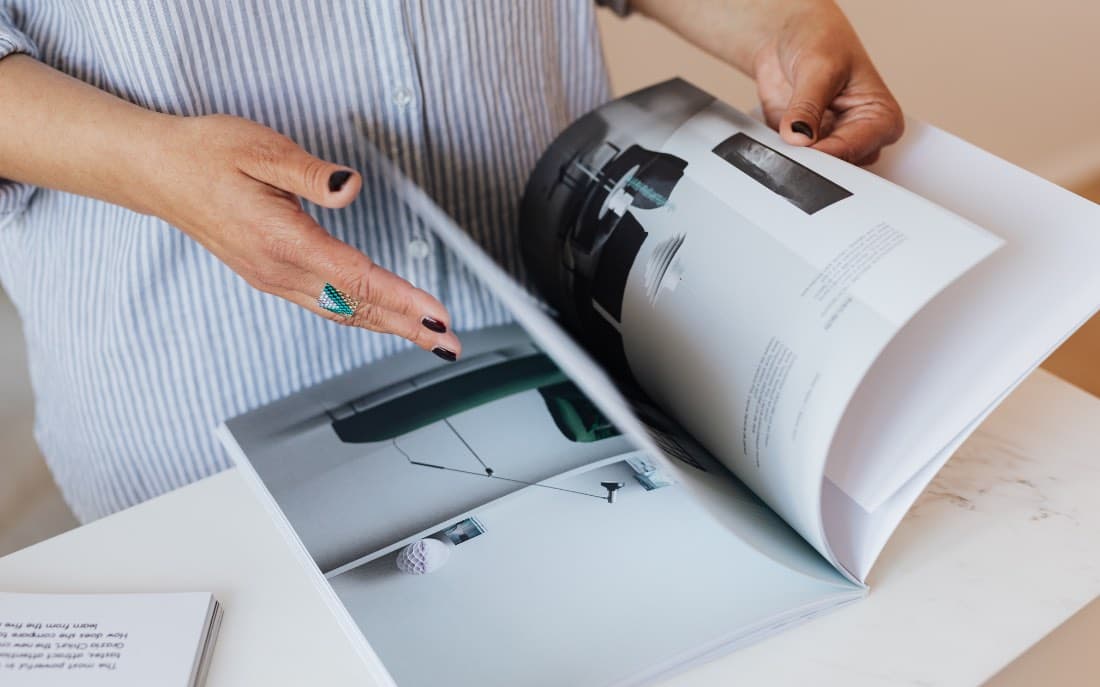
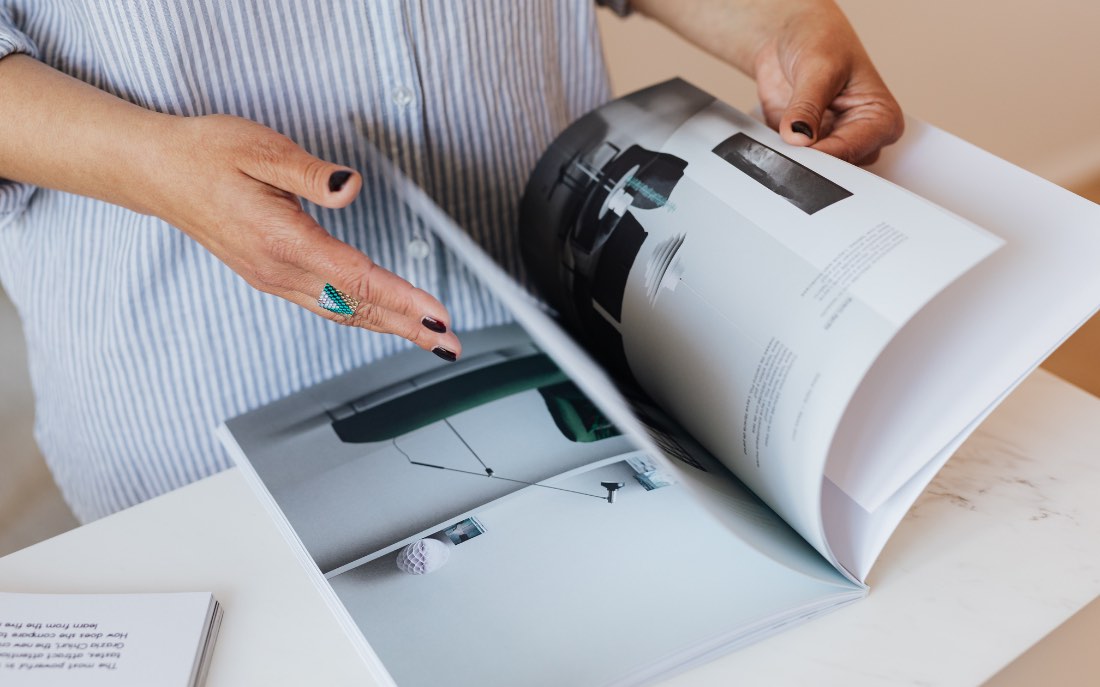
When we think of a house, we often focus on the visual aspect: colors, shapes, furnishings, lights. But experiencing a space doesn't just mean looking at it. Every environment speaks to all our senses: we perceive it through what we touch, listen to, smell. This is where sensorial interior design comes into play, an approach that goes beyond aesthetics and puts the emotional and physical experience of those who live in a place at the center.
Creating environments that involve multiple senses at the same time means creating spaces that are not only beautiful, but that make us feel good. This type of design works on three key elements: touch, sounds and scents. Each of these contributes in a different way to defining the character of a room and the feeling it conveys to us.
The power of touch: matter that tells
When we touch a surface, our brain immediately registers a sensation that goes beyond texture. A warm wooden floor conveys welcome, while a smooth stone slab communicates solidity and freshness. Textures are the skin of spaces: they not only serve to give visual character, but to create a physical bond between those who live in the house and the environment.
Touch works subtly: even if we don't consciously touch each element, sight suggests to us how a surface would “sound” under our fingers. A velvet sofa evokes softness and comfort, a raw concrete wall suggests strength and materiality. In this sense, choosing materials is never just an aesthetic question but also an emotional one: it means deciding what type of sensation we want to make those who pass through that space experience.
Integrating touch into design also means creating variety. An environment where everything is smooth risks seeming cold, while combining different materials – a soft carpet on a resin floor, linen cushions on a wooden bench – builds a tactile narrative that makes the room more alive and interesting.
The sounds of space: acoustics as part of the design
Every house has its own “sound”. Even when it seems silent, the surfaces, volumes and materials determine how the noise propagates and is perceived. A space with smooth walls and few furnishings tends to create echo and reverberation, while environments with fabrics, carpets and absorbent surfaces generate a more muffled and intimate atmosphere.
Sound affects our well-being much more than we think. Excessive echo can make us feel uncomfortable, while balanced acoustics provide calm and comfort. Working on acoustics is not just a technical question: it is a way to shape the atmosphere.
Integrating elements that absorb or diffuse sound, such as curtains, bookcases, sound-absorbing panels or simple well-positioned furnishings, means transforming the perception of the environment. Thinking about sound in design means imagining how we will really experience that space: cooking in a kitchen that doesn't resonate too much, relaxing in a living area where voices have a natural tone, sleeping in a room where external noises are muffled.
A sensorial design attentive to acoustics creates balance between full and empty, between reflective surfaces and absorbing materials, giving each room a harmonious voice that accompanies those who live there.
The invisible language of perfumes
If there is a sense that has a direct link with memory and emotions, it is smell. A perfume can evoke a memory, give character to a home, influence your mood. Not surprisingly, many public spaces and hotels use a “signature scent” to create identity. Bringing this concept into a home means using perfume as part of the project.
It's not just candles or diffusers: the materials themselves contribute to the smell of a space. Freshly worked wood, natural stone, washed linen: each brings with it a subtle but perceptible olfactory note. Integrating natural scents that are consistent with the style of the home means strengthening the feeling of coherence and welcome.
Choosing a perfume for each area can transform the daily experience: fresh and light notes for the entrance that give a feeling of di opening, relaxing essences for the bedroom, more energizing scents for the living area. Small details that build a unique and personal sensorial identity.
Involving the senses to create emotions
Sensory design works when all these elements – touch, sound, scent – work together to create a coherent narrative. An environment can be beautiful to look at, but if it is cold to the touch, noisy and devoid of olfactory identity, it will hardly convey comfort. On the contrary, a room designed to stimulate multiple senses simultaneously becomes an experience: you don't just experience it, you feel it.
This approach is not reserved for large renovations or luxury projects. Even small interventions can have a big impact: a carpet that adds tactile warmth, curtains that soften the acoustics, a carefully chosen fragrance to give personality to an environment. They are details that speak to the senses and create emotional connections.
Space as a personal experience
Each person experiences home differently. This is why sensorial design does not follow rigid rules but starts from listening. How do you want to feel when you enter your living area? Which materials transmit calm or energy to you? What sounds make you feel at home? The answers to these questions are the basis for creating spaces that are not only functional, but that truly resonate with those who inhabit them.
A good project takes these nuances into account, building a unique balance between aesthetics and sensoriality. It is a way to bring interior design back to its essence: not just creating beautiful environments, but places that make us feel good, that welcome us and speak to us in a profound way, beyond the visual aspect.
A home that feels
Integrating touch, sounds and scents into design means creating homes that can be felt, not just seen. Every surface we touch, every echo we hear, every scent that envelops us contributes to building the emotional identity of a space.
Sensory design is an invitation to design with more attention, not to stop at appearances, to create places that not only please the eye, but embrace all the senses. Because a house is not just a container of objects: it is an experience that we live every day, with everything that we are.