Blog
Emotional design: making space a mirror of the self
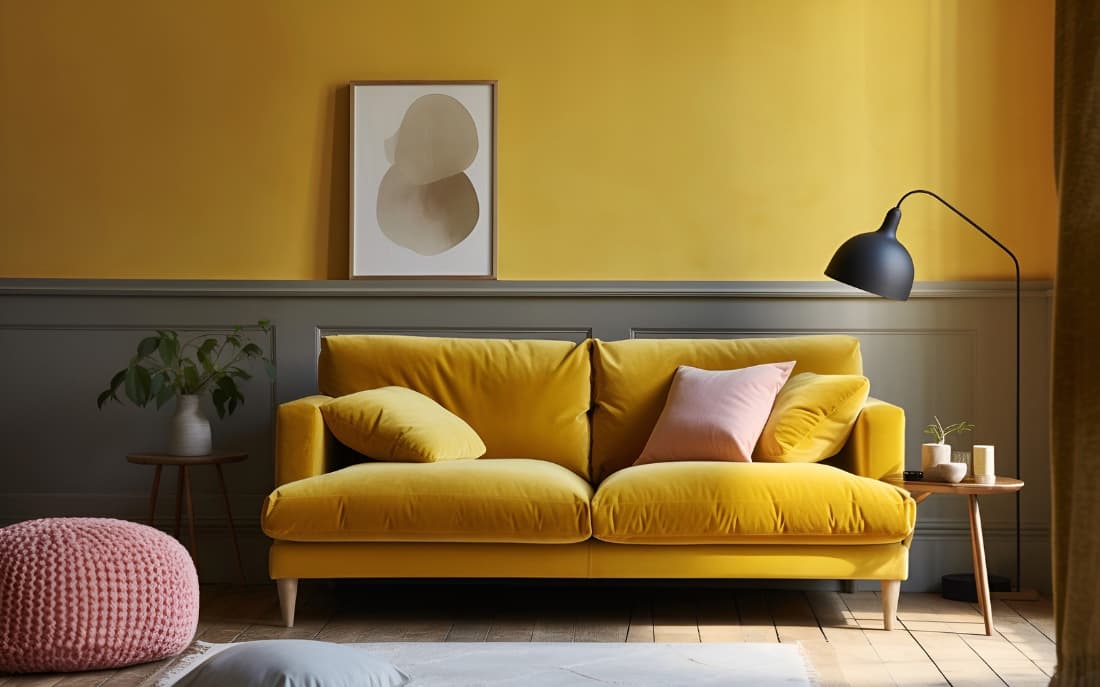
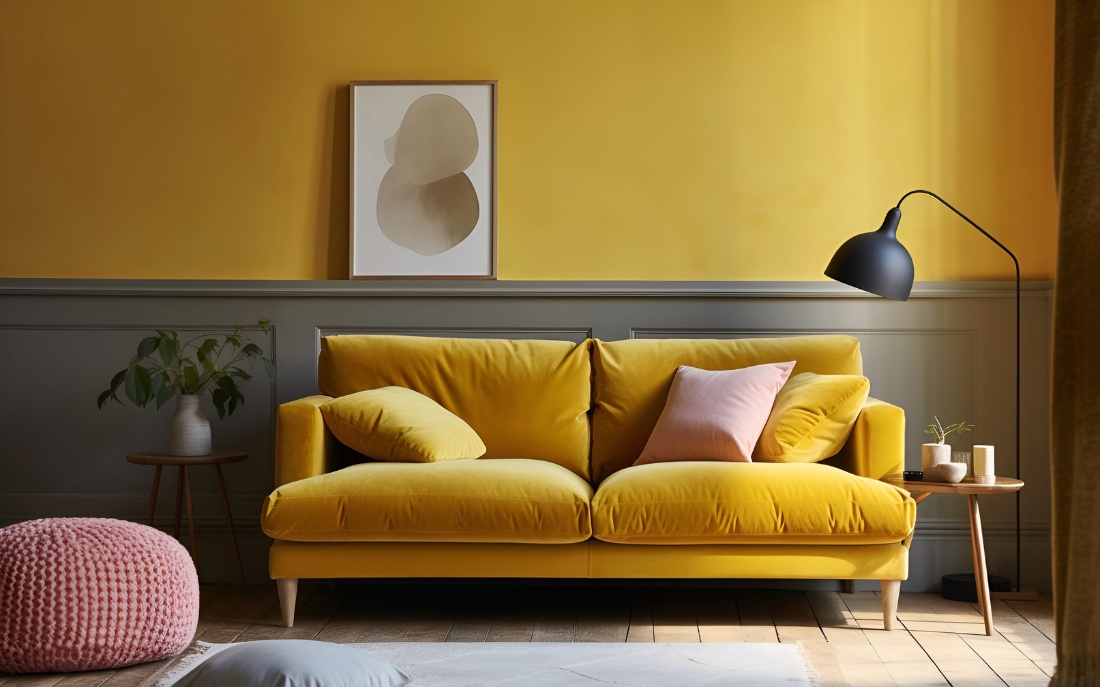
Design environments that speak of the people who live there
In an era where there is so much talk about customization, interior design can no longer be limited to being a purely aesthetic question. A house is not a set to be photographed, but a living organism in which every detail tells something about whoever lives there. This is where the emotional design approach was born, a way of designing that puts the person, their emotions, their history and their way of life at the center.
What is emotional design?
Emotional design is a design approach that relates space to people's emotional identity. It's not just about choosing relaxing colors or welcoming shapes, but about creating environments capable of reflecting values, experiences, dreams and needs.
An emotional space is one in which we truly feel like ourselves. The one that makes us smile when we return home, that comforts us in difficult moments, that stimulates or calms us, depending on what we need. It is a space that talks about us, with us and for us.
Why is it important to design with emotion in mind?
Think about it: a cold and impersonal environment may also be "nice", but it will hardly be welcoming. On the contrary, even an imperfect room, but with significant details, can become a refuge. Emotional design arises precisely from this awareness: interior architecture cannot ignore human feeling.
A home designed in an empathetic way improves well-being, stimulates creativity, facilitates relationships. It becomes the authentic background of our daily life, not just any container.
The starting point: who are you?
Every emotional design project starts with a simple and profound question: who are you really?
The designer must become almost an explorer of the client's identity. Technical questions are not enough ("How many rooms do you need?"), but listening, empathy and sensitivity are needed to understand who will inhabit that space and what they want to experience every day.
What are your fondest memories? What objects have meaning for you? Where did you really feel at home? The answers to these questions can guide choices of furnishings, materials, colors, layout and atmosphere.
Colors and emotions: the invisible language of space
In emotional design, color is not just a stylistic issue, but a very powerful tool for evoking moods. Warm colors tend to make us feel welcomed and relaxed, cold ones stimulate concentration or detachment.
However, there are no rigid rules: color perception is subjective. A shade of aqua green might remind some of their childhood at the seaside, or the dentist's waiting room for another. For this reason, in emotional design it is essential to understand the personal meaning we attribute to colors.
Materials and textures that speak to the touch (and the heart)
A rough wooden table, a soft velvet sofa, a crumpled linen blanket: textures stimulate our tactile memory. A material can take us back to a place of the soul, evoke a familiar gesture, reassure us or surprise us.
In emotional design, authentic, imperfect materials that tell a story are preferred. We are not looking for perfection, but connection.
Furnishings and objects: not everything has to be "coordinated"
In traditional design we often aim for visual coherence: everything must be harmonious, of the same style, perfectly matched. In emotional design, however, space is left for personal expression.
An object you inherited from your grandmother, a chair found at a flea market, a poorly framed but meaningful photo: these are the elements that make a space come alive. They don't necessarily have to "fit" with the rest. They have to be comfortable with you.
The layout of spaces: creating places to live (not just to look at)
Emotional design doesn't stop at aesthetics. Work on the emotional functionality of spaces. A corneror for reading, a niche where you can listen to music, a kitchen that facilitates sharing: every function has an impact on our mood, on our quality of life.
The flow of spaces must respond to daily habits, not to a pre-established pattern. Every home should have areas that reflect the personality and rhythms of those who live there.
Perfumes, lights, sounds: designing with all the senses
We often forget that living is a multisensory experience. The light that enters at a certain time of the day, the scent of wood or coffee, the sound of a window that opens onto the garden... are all elements of emotional design.
Even artificial light, if carefully designed, can transform the atmosphere: warm and diffused for relaxing, directional for working, accent to enhance a detail.
Home as a story: every space is a page
An emotionally designed house is never generic. It is a personal narrative, in which each environment represents a chapter: the entrance welcomes, the living room tells, the kitchen shares, the bedroom protects, the study stimulates.
Design then becomes a form of storytelling, and the home is transformed into a symbolic place, in which each element is part of an identity. It's like writing a book... but with furnishings, surfaces and lights.
Who is emotional design aimed at?
To everyone. But above all to those who are not satisfied with a pre-packaged style. To those looking for a home that truly speaks about itself, and not just about the latest trend. To those who want to be welcomed every day by spaces that stimulate, protect and inspire.
Emotional design takes time, dialogue and attention, but it delivers a home that makes sense. And, even more precious, it makes you feel good.