Blog
Interior design and acoustics: how does your space sound?
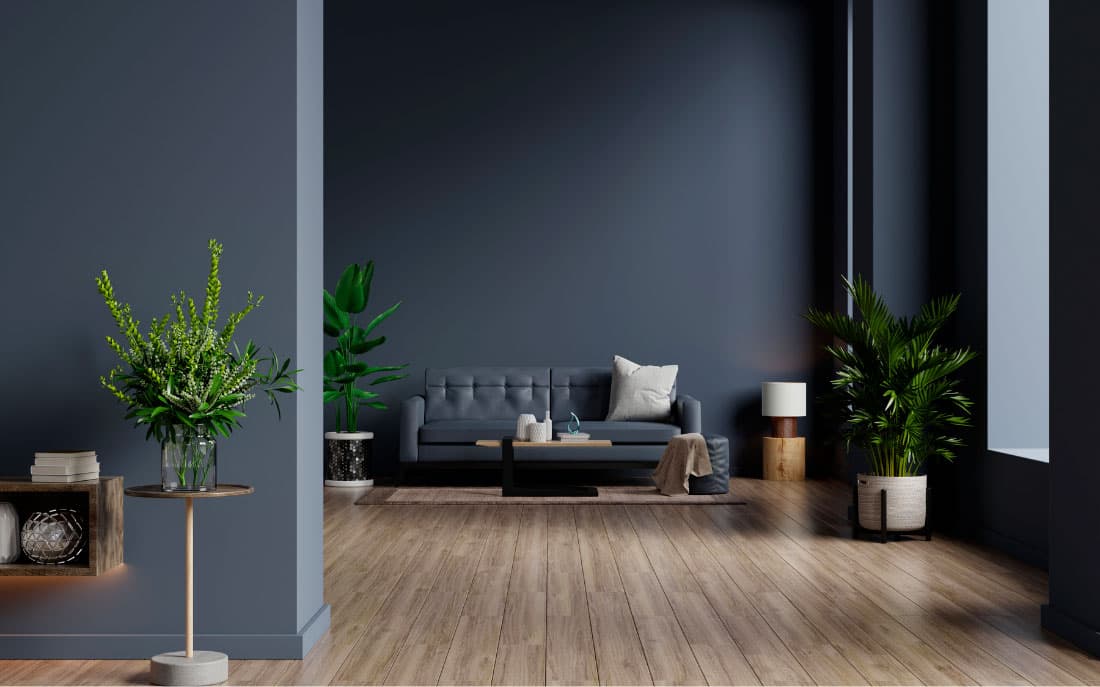
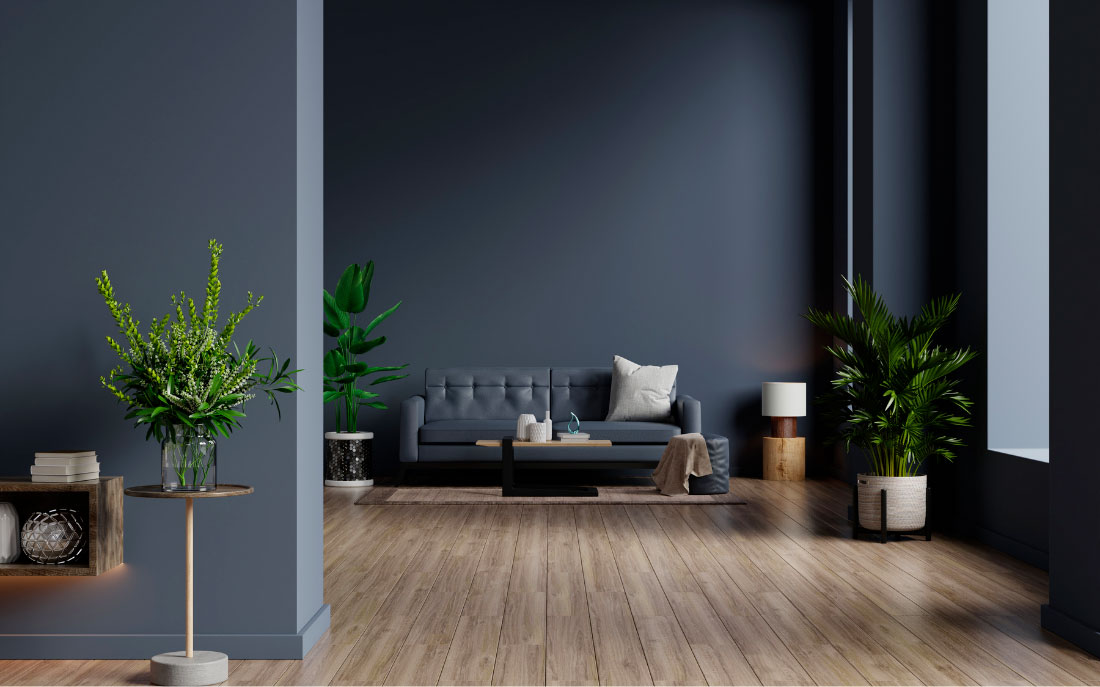
The design that takes sound comfort into account
When talking about interior design, it is easy to think about what you see: colors, shapes, materials, furniture arrangement. Yet, there is an equally important, but often overlooked aspect: what you feel.
The acoustics of an environment, or the way in which sounds and noises propagate in space, directly affects the quality of life. This is why today we talk more and more often about sound comfort, a concept that combines architecture, design and daily well-being.
It is not just a technical question, but a real sensorial experience. Sound, like light and matter, gives shape to spaces.
An environment that is too noisy, with echoes or reverberations, can be tiring. One that is too muffled, on the other hand, can seem unnatural or closed.
Interior design must therefore take into account not only the eye, but also the ear.
What is acoustic comfort?
Acoustic comfort is the condition in which the sound present in an environment is pleasant, non-disturbing, and suitable for the function of that space.
For example:
- In a home, we want muffled and warm sounds that make us feel protected.
- In an office, we seek balance between silence and fluid communication.
- In a restaurant, we want to hear conversations without being overwhelmed by noise.
You don't notice perfect acoustics: it simply works. It's that condition in which we feel comfortable, without even knowing why.
What influences the acoustics in the home?
The main elements that determine the behavior of sound in an internal space are:
- The shape of the rooms: very high ceilings, empty and large spaces can create echo or reverberation.
- Materials: each material reflects or absorbs sound differently. Glass, for example, is highly reflective; the fabric absorbs.
- Furnishings: carpets, curtains, sofas and bookcases influence the way sound moves and disperses.
- The presence of smooth or rough surfaces: smooth surfaces amplify, rough ones attenuate.
A totally "empty" environment sounds completely different from a furnished one. And this is where design actively comes into play.
The role of design in acoustic planning
A good interior designer doesn't just think about where to place a table or what color to choose for the walls.
He also questions how the sound will behave within that room.
Designing with acoustic awareness means making aesthetic and functional choices at the same time.
It means creating environments that are beautiful to look at and pleasant to live in, even on a sound level.
Let's see together some concrete solutions that design can offer to improve acoustics.
Materials that help
The choice of materials is one of the most powerful tools for working on acoustics.
Sound-absorbing materials can be inserted discreetly within the project, without affecting the aesthetics:
- Rugs and carpets: absorb the sound of footsteps and reduce echoes.
- Heavy fabrics: curtains, cushions, wall coverings help to "muffle" noises.
- Sound-absorbing panels: there are decorative, customizable versions, also perfect for domestic environments.
- Acoustic false ceilings: particularly useful in open spaces or living rooms with high ceilings.
Even wood, if used well, can have a sound regulation function, depending on its finish and layout.
Furnishings and layout
Furnishings can also contribute to acoustic balance.
A wall bookcase, for example, acts as a natural sound barrier, absorbing some of the noise.
A strategically placed sofa can interrupt an acoustic bounce between two hard surfaces.
Wooden tables, padded seats, suspended elements: everything can contribute to creating a "softer" and quieter environment.
A common mistake is to furnish in mminimal sound without considering the "sonic void" effect.
A room with a modern and bare look, with resin floors, smooth walls and large glass surfaces, can be acoustically annoying.
This is why minimalism must always be balanced with well-integrated sound-absorbing solutions.
Every environment has its ideal acoustics
Living room
It is often the largest and busiest room. Here we talk, watch TV, welcome guests.
Good sound management is therefore needed to avoid booms and ensure hearing comfort.
Recommendations: carpets, thick curtains, upholstered furniture, equipped walls.
Kitchen
Noisy space by definition: pots, dishes, appliances.
In an open plan kitchen, it is essential to provide materials that absorb some of the noise.
A central island can break up bounces, as can sound-absorbing ceiling panels or filter curtains.
Bedroom
Silence and peace are fundamental.
Here the sound must be dampened as much as possible: soft fabrics, covered walls, padded headboards help to create a relaxing sound environment.
The position of the bed in relation to the walls also has an impact: it is better to avoid placing it against a wall shared with noisy environments.
Study/Home Office
Good acoustics promote concentration.
In a work space, solutions are needed that avoid both rumbling and excessive isolation.
Sound-absorbing panels, carpets, light but filtering curtains are excellent solutions.
Technologies and sound design
In recent years, many companies have developed design-integrated acoustic technologies.
There are sound-absorbing lamps, modular suspended elements that furnish and muffle sounds, acoustic paintings that combine art and function.
Home automation can also help: volume control systems, motorized acoustic curtains, directional speakers.
Sound design is becoming a truly transversal discipline.
Acoustics in commercial and professional spaces
If sound comfort affects well-being at home, in public spaces such as offices, shops, restaurants and professional studios, acoustics can make a difference to the user experience.
A tired noisy restaurant. A shop where you can hear an echo conveys coldness. An office where words bounce around creates stress.
Acoustic design is therefore a tool for communication, as well as comfort.
The same rules apply here too: carefully chosen materials, furnishings that help, conscious design.
With one difference: complexity increases. This is why it is always advisable to rely on a designer who has specific knowledge on the subject.
Sound as part of the design
It is no longer enough to ask: "What color will the walls be?".
We should start asking ourselves, “What will this room sound like?”
Designing taking acoustics into account is not a luxury, but an act of attention towards those who will live in those spaces.
Design, after all, is not just about the appearance of things.
It's about the experience they offer.
And when the sound is also in harmony, the house is not only beautiful. She's alive.