Blog
How to choose the perfect colour palette for your home
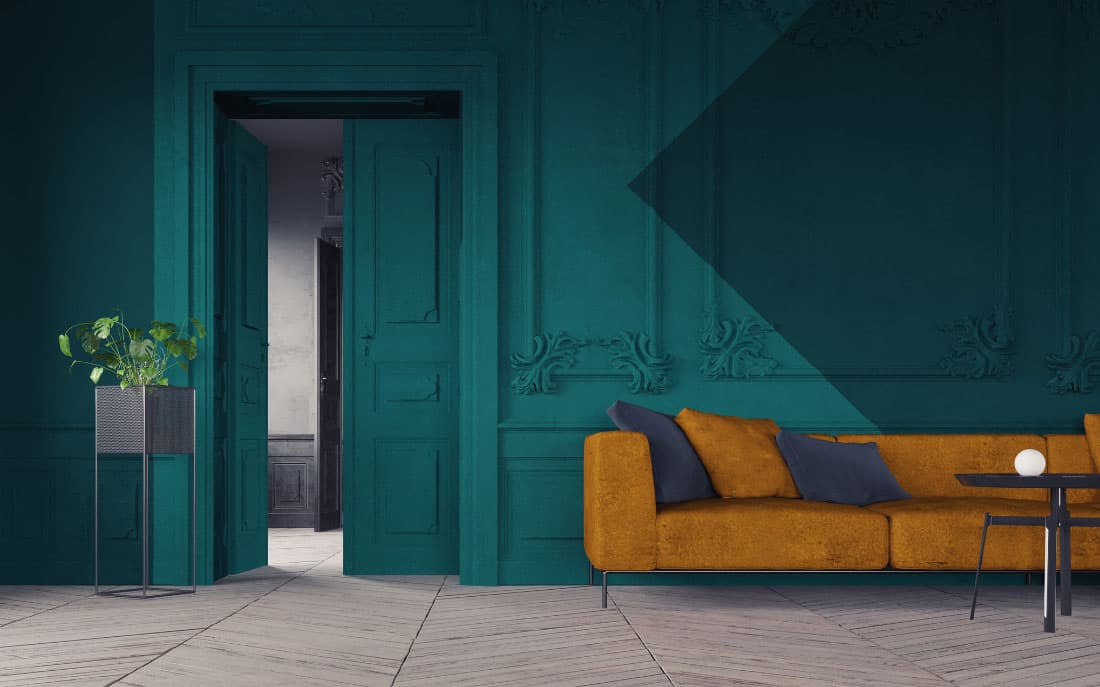
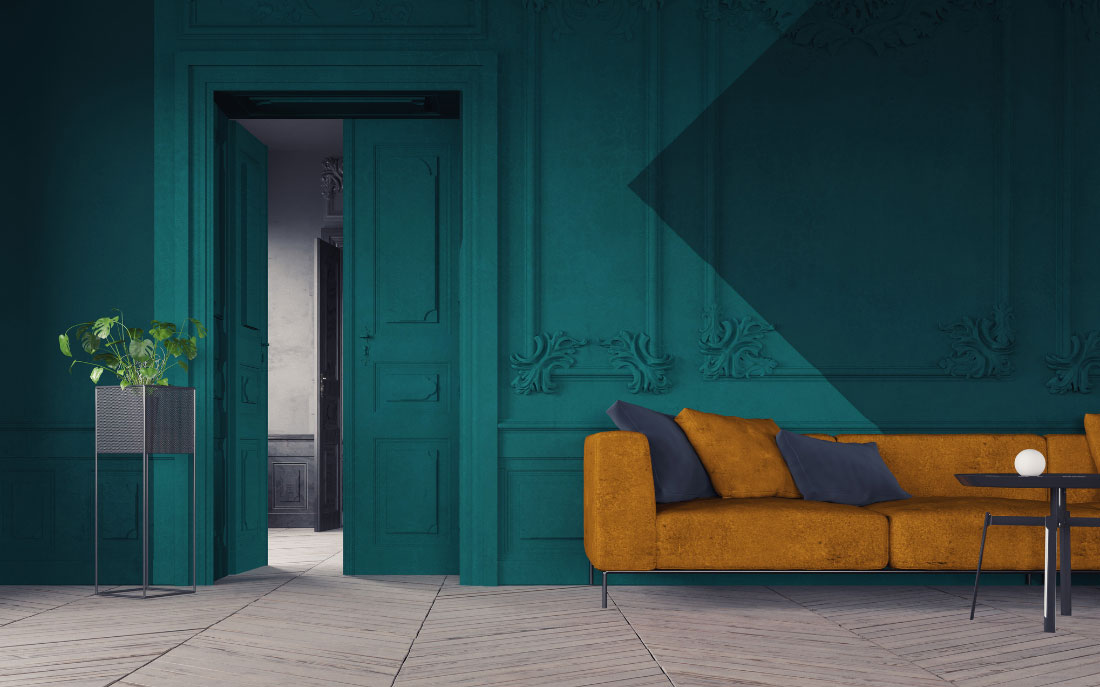
When it comes to furnishing your home, one of the most important aspects to consider is the choice of colors. A well-studied color palette can transform a space, making it more welcoming, bright and consistent with your style. However, choosing the right colors can seem complicated, especially considering the wide range of shades available.
This article will guide you step by step to help you create a color palette that reflects your personality and enhances your environments.
The Psychology of Colors: Why It Is Important
Colors have a profound effect on us, not only on an aesthetic level but also on an emotional and psychological level. Color psychology is a powerful tool in interior design:
- The warm tones, such as red, orange and yellow, convey energy and vitality. They are ideal for environments such as the kitchen or living room, where you want to create a convivial atmosphere.
- Cool tones , such as blue, green and purple, have a calming and relaxing effect. These colors are perfect for the bedroom or bathroom, where relaxation is key.
- Neutral colors , such as white, gray and beige, are versatile and adapt to any style. They act as a perfect base for adding more vibrant color accents.
When choosing colors for your home, think about how you want to feel in each room. Do you want an energizing or relaxing stay? A bedroom that invites you to rest or stimulates creativity?
Analyze Light and Space
Light plays an essential role in color perception. A shade that looks great in a store might look completely different in your home. This is why it is important to consider:
- Natural light : South-facing rooms tend to be brighter, so you can dare with more intense colours. Those facing north, however, require light shades to compensate for the lack of light.
- Artificial light : LED or halogen lamps affect the way colors are perceived. Pay attention to the temperature of the light: warm light can make colors appear softer, while cold light makes them more vivid.
To avoid surprises, use color samples and observe how they change during the day, in natural and artificial light.
Start from a Point of Inspiration
Every interior design project should start with inspiration. It could be an element already present in the room, such as a carpet, a work of art or a piece of furniture, or an image that you saw online and that struck you. This element becomes the starting point for building the color palette.
For example:
- If you have a gray sofa, you can pair it with pastel shades for a soft look or with bright accents for a modern effect.
- If you love oriental rugs with complex patterns, select colors that echo the main shades of the rug.
Choose the Main, Secondary and Accent Colors
To create a balanced palette, use the 60-30-10 rule:
- 60% : Main color, used for walls and large surfaces.
- 30% : Secondary color, presentin furniture and fabrics.
- 10% : Accent colour, for decorations and details such as cushions, paintings and vases.
For example, in a room with beige walls (main color), you can introduce a light gray sofa (secondary color) and electric blue cushions (accent color) for a modern, balanced look.
Adapt Colors to Room Function
Each room has a specific function and the colors chosen must reflect this:
- Living room : Warm and welcoming colors such as orange and brown create a convivial atmosphere. Add metallic accents for a sophisticated touch.
- Bedroom : Opt for relaxing tones such as sage green or powder blue, which promote rest.
- Kitchen : Bright colors like yellow and red stimulate the appetite, but neutral shades like white are also perfect for a clean and modern look.
- Bathroom : Light tones such as white and blue convey freshness, but you can dare with dark details for a more elegant effect.
Test and Adapt the Palette
There is nothing more useful than testing colors before making final choices. Purchase small paint samples and apply them to a wall. Notice how the colors change throughout the day and make sure they harmonize with the furniture and accessories.
Creating the perfect color palette takes planning, but the end result will be a harmonious, personalized space that you'll love to experience every day. With a little inspiration and the right advice, you can transform any room into an environment that reflects your unique style.