Blog
How to organise a bookshelf: ideas that balance function and design
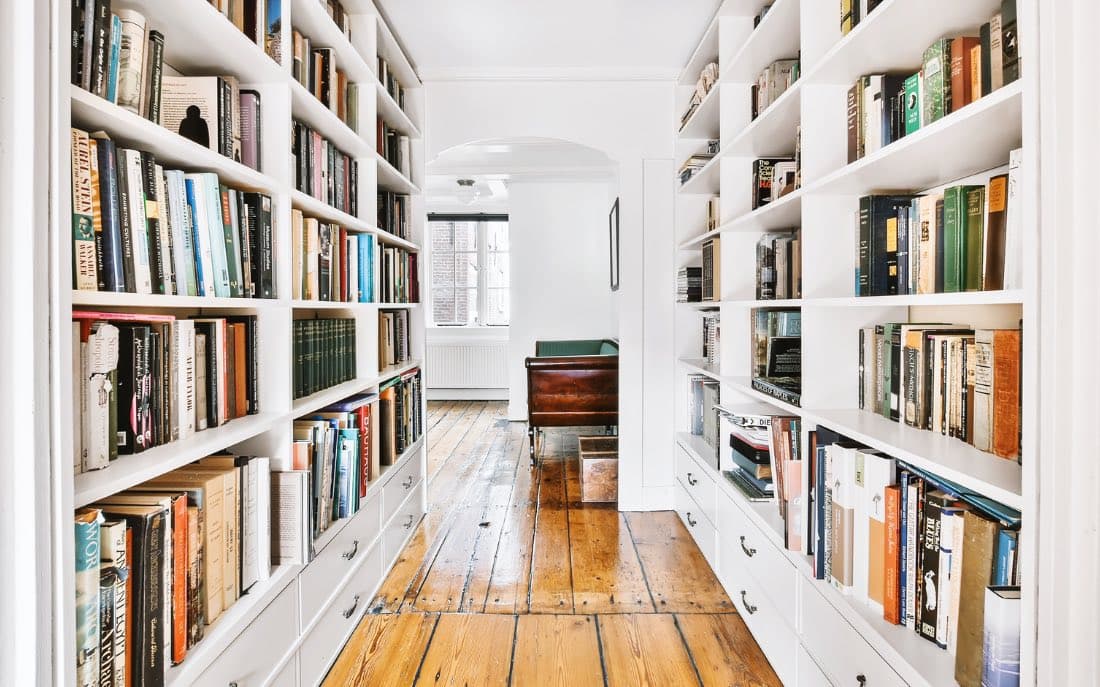
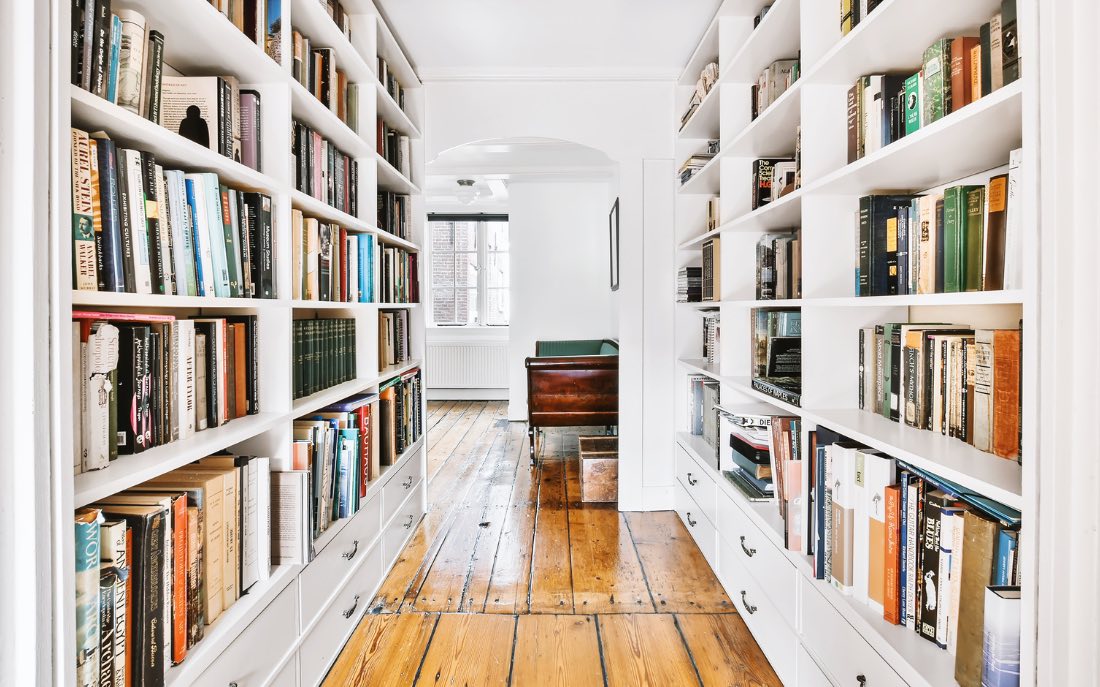
The bookcase is not just a piece of furniture for storing books: it is a furnishing element that can transform an environment, reflecting personality, interests and aesthetic taste. A well-organized bookcase combines functionality and design, making the space tidy, practical and visually appealing.
In this article we will explore how to organize a bookcase to optimize space, enhance books and add style to your home.
Analyze Available Space
Before starting to organize the bookcase, it is important to evaluate the space you have available and the role that the bookcase will have in the room. Ask yourself some questions:
- Is the bookcase the centerpiece of the room or a complement?
- Do you have enough space for a wall bookcase, or do you have to opt for more compact solutions?
- Will it accommodate only books or also decorative objects?
If you have a large, central bookcase, you can create an elaborate arrangement with books, decorations and plants. In a small space, however, you can choose modular shelves or column bookcases to take advantage of the height.
Divide and Classify Books
A functional organization always starts from the classification of books. There are several methods for dividing books into categories:
- By genre: Novels, essays, biographies, art books, etc.
- By color: A more aesthetic method that creates an eye-catching color composition.
- By author or title: Ideal for those who want to quickly find a specific book.
- By size: Recommended to obtain a tidy and harmonious arrangement.
You can combine different criteria according to your needs: for example, separate frequently used books and organize the rest by color or size.
Add Design Elements
A bookcase doesn't have to just contain books: decorative objects add style and personality. Here are some ideas:
- Personal items: Framed photos, travel souvenirs or small art objects.
- Plants: Houseplants such as ivy or pothos add freshness and a natural touch.
- Lighting: Add LED lights or reading lamps to highlight the bookcase and create a welcoming atmosphere.
- Vases and Sculptures: Place decorative objects to break up the monotony of rows of books.
A balanced mix of books and decorations makes the bookcase more interesting and turns it into a focal point of the room.
Organize Books Creatively
In addition to arranging books vertically, try alternative combinations:
- Horizontal stacks: Stack some books horizontally to create visual variety. You can use them as a base to place a decorative object on.
- Mix of vertical and horizontal: Alternates vertical rows of books with horizontal stacks for a dynamic effect.
- Lighting: Add LED lights or reading lamps to highlight the bookcase and create a welcoming atmosphere.
- Diagonal arrangement: If you have a bookcase with slanted shelves, arrange books diagonally for a modern touch.
Take advantage of every corner
If space is limited, make use of every inch of the bookcase:
- Adjustable shelves: Change the height of the shelves to accommodate books of different sizes.
- Hidden spaces: Use decorative boxes to store small or less aesthetic items.
- Side walls: Add hooks or small shelves to the sides of the bookcase to display decorative items or hang accessories.
Experiment with Color
Color is a key element to transform a bookcase from a simple piece of furniture to a decorative element:
- Monochrome bookcase: Paint the bookcase the same color as the walls for an integrated, minimalist effect.
- Color accents: Use the color of books to create contrasts. For example, arrange books by shade to achieve a rainbow effect.
- Wallpaper: Cover the back of your bookcase with decorative wallpaper to add depth and visual interest.
Keep Order in Style
Order is essential for a functional and pleasant library. However, it doesn't have to be rigid:
- Blank areas: Leave some blank spaces to prevent the library from appearing overloaded.
- Periodic rotation: Periodically changes the arrangement of books and objects to always give a new look.
- Visual balance: Distribute books and decorative objects evenly to avoid one side appearing heavier than the other.
Adapt the Bookcase to Your Style
Each furnishing style has its own interpretation of the bookcase:
- Minimalist style: Opt for bookcases with clean lines and few decorative elements, preferring neutral colours.
- Scandinavian style: Choose light wood furniture and add plants and ceramic objects.
- Industrial style: Use metal and raw wood shelves, enriched with exposed lights.
Solutions for Small Spaces
If you don't have space for a large bookcase, there are creative solutions for displaying books:
- Floating shelves: Fix them to the walls to create a vertical bookcase.
- Column bookcases: These slim, tall structures are ideal for narrow spaces.
- Benches with storage: Use a bench with storage compartments to combine the seat and bookcase.
The Library as a Focal Point
A well-organized bookcase can become the heart of a room:
- Entire walls: If you have space, a bookcase that covers an entire wall creates a scenographic effect.
- Bookcase around the door: This solution maximizes space and adds an architectural touch.
- Reading corners: Combine the bookcase with an armchair and a reading lamp to create a welcoming corner.
Organizing a bookcase is an opportunity to combine practicality and style, transforming a functional space into a furnishing element that expresses your personality. With a mix of creativity, ordine and attention to detail, you can create a bookcase that not only houses your books, but enriches the entire room. Experiment with the proposed ideas and find your own unique way to enhance this essential element of the home.