Blog
How to create a welcoming living area
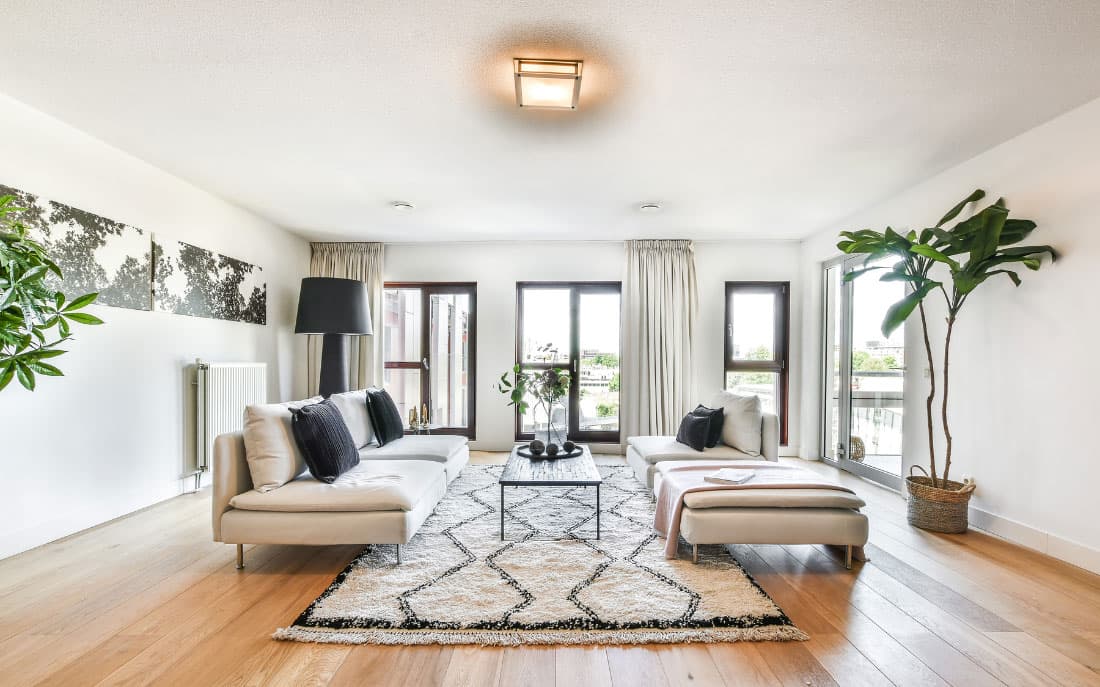
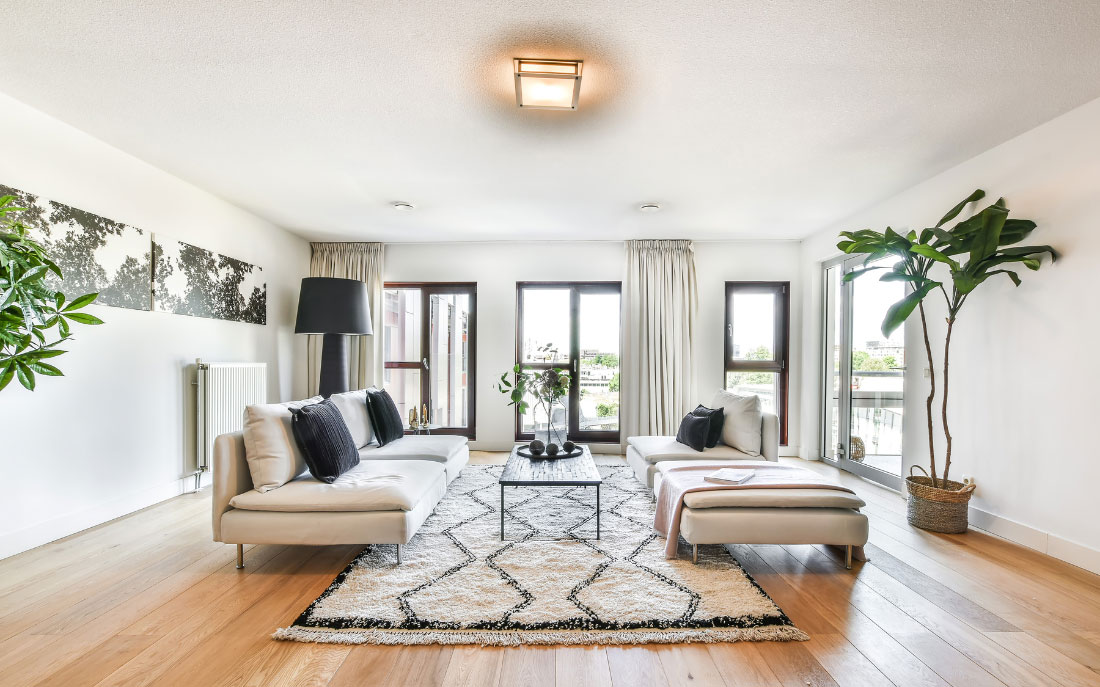
The living area is one of the most important spaces in the house, where we spend moments of relaxation, host friends and family, and often also carry out small daily activities. Creating a welcoming, functional and beautiful environment is essential to making the time spent in this space pleasant.
Here is a complete guide on how to design a living area that combines comfort, aesthetics and practicality.
Analysis of Space and Light
Before starting to choose furniture and accessories, it is essential to carry out an analysis of the space. Understanding the size of the room, the layout of the windows and the amount of natural light will help you better plan the furnishings and colors.
Managing natural light : Light plays a central role in the perception of the environment. If the living room receives a lot of natural light, take advantage of this advantage by choosing colors and fabrics that amplify the effect. For example, light curtains or curtains in light shades can diffuse light evenly, making the room brighter and more airy. If natural light is poor, opt for artificial lighting in multiple places to create a warm atmosphere.
Arrange spaces to optimize flow: : Make sure the furniture arrangement allows for easy passage between different areas of the room. A welcoming living area has a layout that invites you to enter and move freely.
Choosing the Right Furniture
Sofa and armchairs : The sofa is the heart of the living room. Choose a model that is comfortable and suitable for the dimensions of the space. An L-shaped sofa can be ideal for larger rooms, while a compact sofa is perfect for small spaces. Complete with armchairs or poufs that offer additional seating and create a welcoming and convivial layout.
Coffee table : A central coffee table is not only functional, but helps to delimit the conversation area. Choose one that matches the style of the sofa and offers space to place magazines, books and small decorations.
Storage furniture : Bookcases, sideboards and shelves are ideal for maintaining order in the living room. In addition to providing storage, they add personality to the space and allow you to display decorative objects, books and photographs.
Colors and Materials for a Welcoming Atmosphere
The choice of colors has a significant impact on the atmosphere of the living area. Neutral colors, such as beige, gray and ivory, are perfect for creating a relaxing and welcoming environment. However, you can add a touch of personality with bolder colors on accessories such as cushions, throws and rugs.
Fabrics and materials : Choose comfortable fabrics and warm materials. A soft fabric sofa, wool or cotton rug and velvet cushions can add warmth and make the living area more inviting. The use of natural materials, such as wood and stone, also contributes to creating a relaxing and welcoming environment.
Layered Lighting
Lighting is a fundamental aspect to create a welcoming atmosphere. In a well-designed living area, lighting is not limited to a single central source, but is distributed in different points of the room to create layered lighting.
Ambient light : Ambient light is the general light that uniformly illuminates the entire room. It can be a ceiling lamp or spotlights. Make sure this light source is bright enough, but not too dazzling.
Functional light : Reading lampsor table tops are perfect for creating corners dedicated to reading or relaxing. Place a lamp next to the sofa or armchair to create a soft, intimate light.
Accent light : This is a decorative light that highlights specific elements, such as paintings, bookcases or shelves. Accent lights can be wall lights or small directional spotlights.
Decorative Elements and Personalization
Decorative elements are essential to make the living area unique and reflect the personality of those who live there. This is where the art of decoration comes into play, which can transform even the simplest living room into a space full of style and character.
Paintings and photographs : The walls are the ideal space to display works of art, photographs and prints. You can create a gallery of paintings with frames of different sizes to give movement and dynamism to the wall.
Cushions and throws : Colorful cushions and throws not only add comfort, but offer the opportunity to change the look of the living area depending on the season. In winter, opt for warm materials such as wool and velvet; in summer, choose cool fabrics such as cotton or linen.
Plants and flowers : Plants bring life and freshness to any environment. Choose houseplants that require little maintenance, such as pothos, sansevieria or ficus. Place plants in strategic corners or near a window to maximize their decorative effect.
Zoning
In a multifunctional living area, it is useful to create different areas within the same environment for specific activities. For example, you can create a conversation area, a relaxation area and a reading area.
Conversation area : Position the sofa, armchairs and coffee table to create a circle or semicircle. This encourages conversation and makes the environment more intimate.
Relaxation area : If you have space available, dedicate a corner of the living room to an armchair with a coffee table and a reading lamp. It is the ideal place to relax with a book or a cup of tea.
Dining area : In many open plan living rooms, the living area also includes the dining area. Choose a table in line with the style of the living room and add comfortable chairs. A rug under the table can visually delimit this area.
The Magic of Carpets
The carpet is an element that not only adds comfort, but also defines the conversation area, creating a feeling of intimacy and warmth. Choose a rug that fits the size of your living room and is easy to clean. Wool or cotton rugs are great for living areas, while synthetic rugs are better suited for high-traffic areas.
Maintaining Order
A tidy environment is more welcoming and pleasant. To keep the living area organized, use storage solutions such as shelves, baskets and furniture with drawers. Everything must have its place, in order to avoid disorder.
Baskets and boxes : Wicker or fabric baskets are ideal for storing throws, magazines or toys, maintaining order and adding a decorative touch.
Storage units : If space allows, choose a storage unit where you can store objects that must not remain visible. This helps maintain a clean and tidy environment.
Creating a welcoming living area is a question of balance between aesthetics and functionality. Every element, from the choice of furniture to the layoutone of light, helps to make the environment comfortable and inviting. With attention to detail and careful planning, you can transform your living room into a space that reflects your personality and meets your daily needs.