Blog
How to combine colours at home — the role of colour in interiors
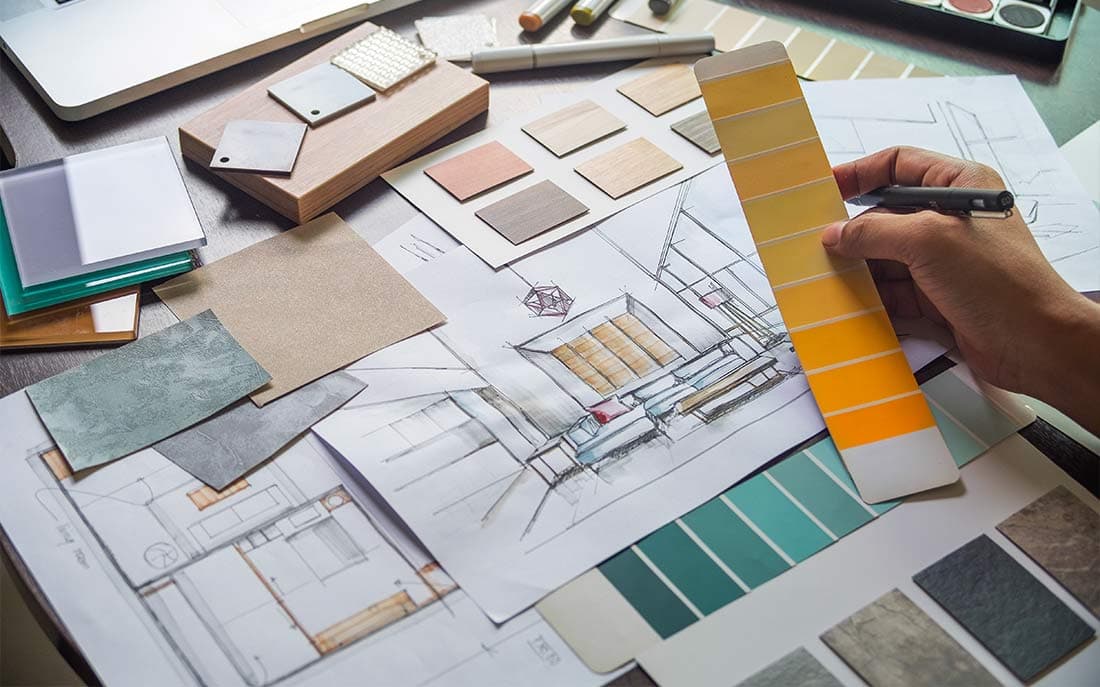
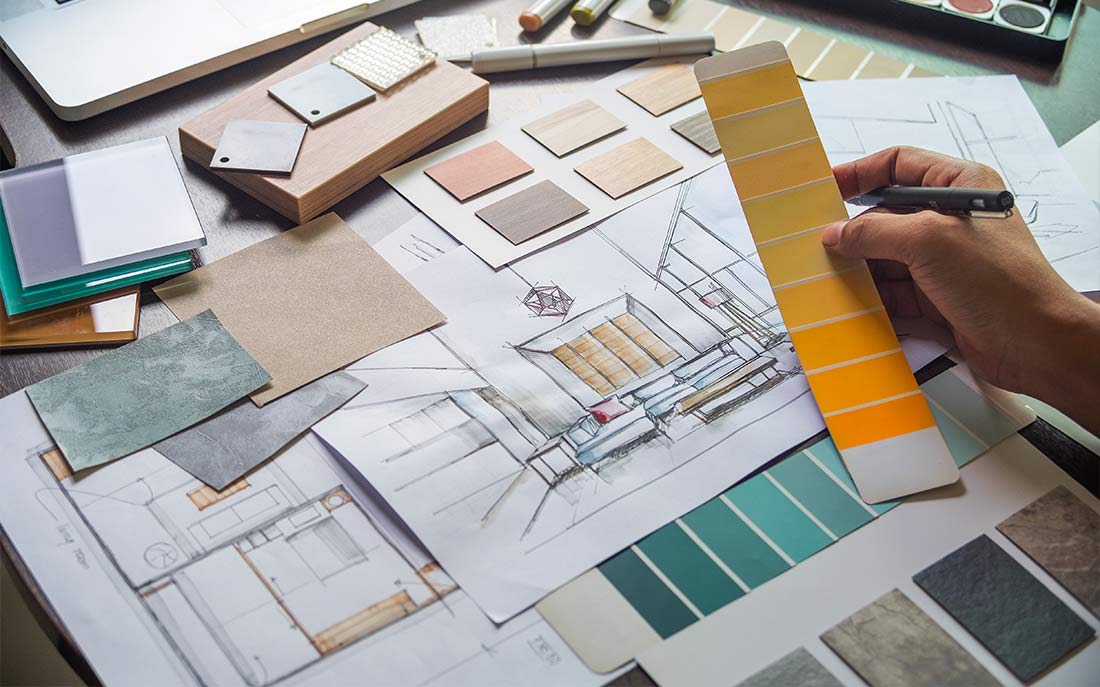
Matching the colors of the furniture is not just a matter of personal taste; it's a real art that can radically transform the look and feel of a home. Colors have the power to influence our mood, our emotions and even the perception of space. Choosing the right combination of colors for furnishings can create relaxing, welcoming environments that release energy or stimulate creativity. In this context, color becomes a fundamental element in furnishings, capable of defining the style and personality of each environment. But how to combine colors at home?
In this article we will explore the importance of color in furnishings, providing practical advice and creative ideas for combining colors at home in a harmonious and functional way. We will discover how the use of color can enhance every space, making your home a unique place, which reflects your personality and makes you feel at home.


How the colors of the furniture influence our mood
The psychology of color plays a crucial role in the combination of colors in furnishings, profoundly influencing the emotions and perception of the spaces we inhabit. Each shade has the power to evoke specific emotional responses, making the colors of the furniture we choose not only an aesthetic question, but also an effective tool for modulating the atmosphere of an environment. For example, warm tones such as red, orange and yellow can stimulate energy and creativity , ideal for lively spaces such as the kitchen or dining room, where socializing and activity is encouraged. On the other hand, cold nuances such as blue, green and purple tend to create a sense of calm and relaxation , perfect for bedrooms or bathrooms, intended for rest and personal renewal.
Choosing the correct combination of colors for the furnishings thus becomes a dialogue between the space and those who live in it, where each color choice is weighted to amplify or attenuate certain sensations. Careful selection of colors for home furnishings can even influence the dimensional perception of a room: light and bright shades tend to make spaces seem larger and more airy , while dark or saturated colors can give depth and intimacy, but also visually reduce the space.
Colors for home furnishings: the trends of 2024
Decorating with color in the new year means embracing palettes that reflect a balance between comfort, elegance and boldness , outlining environments that are as welcoming as they are stimulating. Among the emerging trends, we note a return to nature with earth-inspired shades , from warm terracotta to deep forest greens, which promote a sense of calm and connection with the external environment.
At the same time, boldness makes its appearance through accents of bright colors such as Klein blue, burnt orange and saffron yellow , which introduce an element of surprise and liveliness, perfect for those who want to add a unique touch of personality to their environment. The combination of colors in furnishings in 2024 also sees a predilection for sophisticated contrasts, with bold but harmonious combinations between pastel colors and saturated tones. This approach not only adds dynamism to the furniture, but also stimulates reflection on the way we perceive and experience colors in the surrounding space.
The trends of 2024 therefore invite to explore the expressive potential of colors in furnishings, suggesting that the key to contemporary and personalized environments lies in a conscious and creative use of the color palette.
How to match colors at home? 3 tips from Viemme61
Decorating with colors may seem like a complex activity, but by following some basic principles, it is possible to create combinationslots of colors in the furnishings that enhance every room in the house.
Here are three tips from the interior designers of Viemme61 to match the colors in your home in the correct way:
Start from a neutral palette:
Shades such as white, grey, beige or black can serve as a background canvas on which bolder or more sophisticated accents stand out. This not only provides some flexibility in adding or changing decorative elements in the future, but also creates a sense of balance and tranquility.
Experiment with color accents:
To give character to a space without overwhelming it, introducing color accents through pillows, artwork, rugs or other accessories is an effective strategy. By carefully selecting a few high-impact pieces, it is possible to combine different colors in the furniture creating lively focal points that attract the eye and enliven the environment.
Consider the flow between environments:
When thinking about decor colors, it's important to consider how each room connects to the others. Creating color consistency or a common thread through spaces helps create a sense of unity and fluidity. This does not mean that each room must be identical, but that there should be a harmonious dialogue between the different environments, also from a chromatic point of view.
Contact our team of interior designers to understand how to match colors in your home! By analyzing your preferences and the characteristics of your environments, we will be able to support you in terms of planning, interior design and renovations.