Blog
Furnishing a children’s room: playful and practical ideas
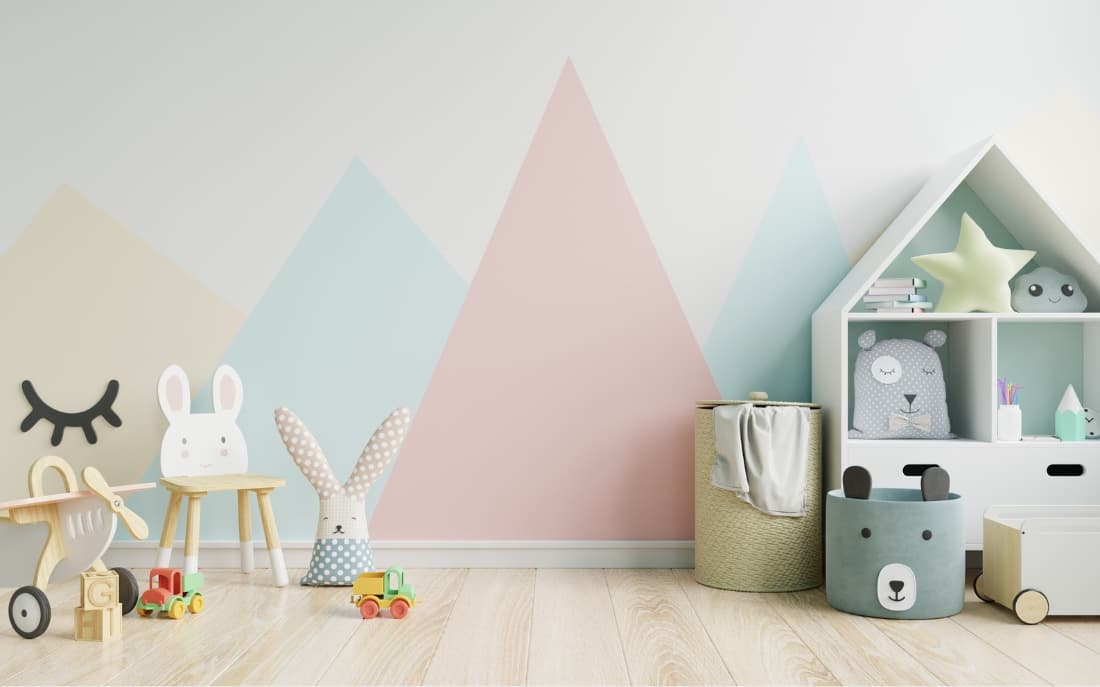
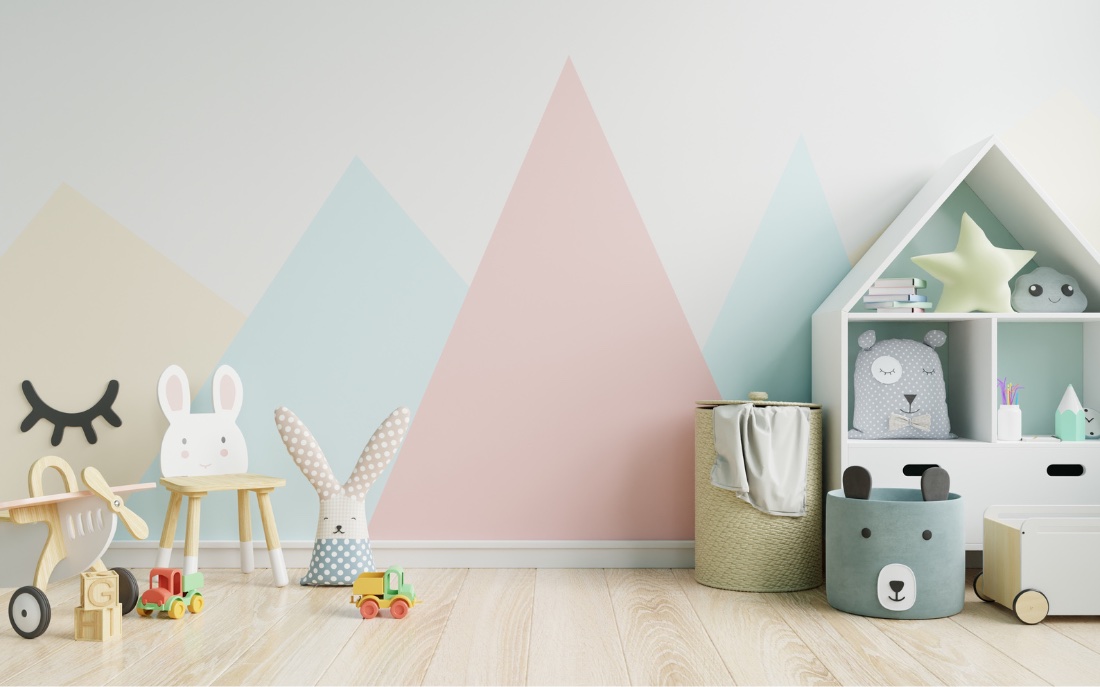
Furnishing a children's room is an exciting experience, but also a challenge: the space must be welcoming, functional and safe, as well as stimulating the creativity and growth of the little ones. Their room is not just a place to sleep, but also to play, study and dream, which is why it is important to find the right balance between aesthetics, practicality and versatility. Creating an environment that can adapt to different stages of growth is essential. This means choosing smart furniture, space-saving solutions and decorative details that can be easily updated over time.
In this article we will see how to design a children's room that combines functionality, comfort and a touch of magic.
How to Design a Perfect Room for Kids
Before choosing colors, furnishings and decorations, it is important to think about organizing the space based on the child's needs. A well-designed room must be divided into functional areas: one for rest, one for play and one for study.
You don't need to have a huge room, just optimize the space with practical furniture and intelligent solutions. A bed with containers or a mezzanine, for example, allows you to use the lower part for a play area or to insert a desk. The low bookcases and toy boxes help maintain order, making everything easily accessible for the little ones.
In addition to functionality, it is essential to create an environment that makes the child feel safe and comfortable. The colours, materials and decorative elements must reflect his personality, but without being too binding: the room will grow with him, so it is better to avoid overly thematic solutions that could become tiring over time.
Colors and Atmosphere: How to Choose the Right Palette
Colors have a significant impact on mood and the perception of space, so choosing the right color palette is essential.
Light and pastel tones such as light blue, sage green, pale yellow or powder pink create a relaxing and harmonious environment. If you prefer brighter colours, they can be used for details such as wall decorations, cushions and carpets, leaving the walls in neutral shades to avoid an overly intense effect.
Walls can become a decorative element in themselves: wall stickers, wallpapers or blackboard paintings give a creative touch without weighing down the environment. Thematic murals, such as starry skies, enchanted forests or fantastic worlds, make the room a magical and stimulating place.
The Bed: The Heart of the Room
The bed is the protagonist of the room and it is important to choose it based on the child's needs. An evolutionary bed, which can be extended over time, is an ideal solution for those who want furniture that lasts a long time.
For small spaces, a bunk or loft bed allows you to save precious space, leaving the lower part free for a desk, a relaxation area or a play area. A practical alternative is the bed with integrated containers, perfect for storing linen, toys and accessories without the need for bulky wardrobes.
Even bed linen can become a decorative element: colored blankets, pillows with fun shapes and sheets with cheerful patterns make the sleeping area more welcoming and stimulating.
Space for Play: Creativity and Fun
Every child needs a space dedicated to play, where they can express their creativity in total freedom. If the room is small, a corner equipped with soft carpets, play tents or small tables with chairs for manual activities is enough.
Toy containers are essential for maintaining order and can be transformed into decorative elements thanks to colored baskets, fabric boxes or furniture with open compartments.
An original idea is to create an interactive wall with chalk boards or magnetic panels on which to draw and attach images. Themed shelves, such as those shaped like a house or cloud, also add a touchplayful to the room without taking up too much space.
Study Area: A Corner to Concentrate and Grow
When your child starts school, it is important to set up a corner dedicated to studying. A compact desk with an ergonomic chair allows you to have a tidy and comfortable space to do homework or dedicate yourself to creative hobbies.
Light plays a fundamental role: a good desk lamp with adjustable light helps avoid eye strain. To keep everything in order, shelves, wall organizers and drawers offer space for books, paints and notebooks without creating confusion.
Here too, customization is important. Hanging a cork board or a magnetic panel allows you to display drawings, photographs and notes, making the study corner more welcoming and motivating.
Lighting: An Essential Factor for a Comfortable Environment
Light is a key element in children's room decor. The general lighting must be diffused and soft, to create a relaxing environment. A chandelier with warm light is the ideal choice to avoid tiring your eyes.
It is useful to have a night light or a small bedside lamp next to the bed, which helps the child feel safer before falling asleep. LED lights in fun shapes, like stars or animals, can make your room even cozier.
Accent lighting, with colored LED strips or small decorative lights, adds a touch of whimsy and makes the room more lively.
Organization and Space-Saving Solutions
Maintaining order in a children's room can be a challenge, but with the right solutions everything becomes easier.
Wardrobes with sliding doors save space, while modular chests of drawers can be adapted as needed. Storage benches are also perfect for storing games and books, while offering extra seating.
If space is limited, it is possible to exploit the height of the room with shelves and wall shelves. Using labels or images on containers helps the little ones to easily recognize where to put their objects, promoting autonomy and the habit of order.
How to Grow Your Room with Your Baby
Children grow quickly and their needs change over time. It is important to furnish the room flexibly, choosing elements that can be easily modified or replaced.
Modular furniture and transformable furnishings allow you to adapt the space without having to overturn the entire environment. Even decorative details, such as paintings, curtains and carpets, can be updated based on the child's new passions and preferences.
Decorating a children's room requires a combination of creativity, practicality and attention to detail. With the right solutions, it is possible to create a functional, safe and stimulating environment, in which the little ones can grow, play and learn in total comfort.