Blog
How to furnish a small home without giving up style
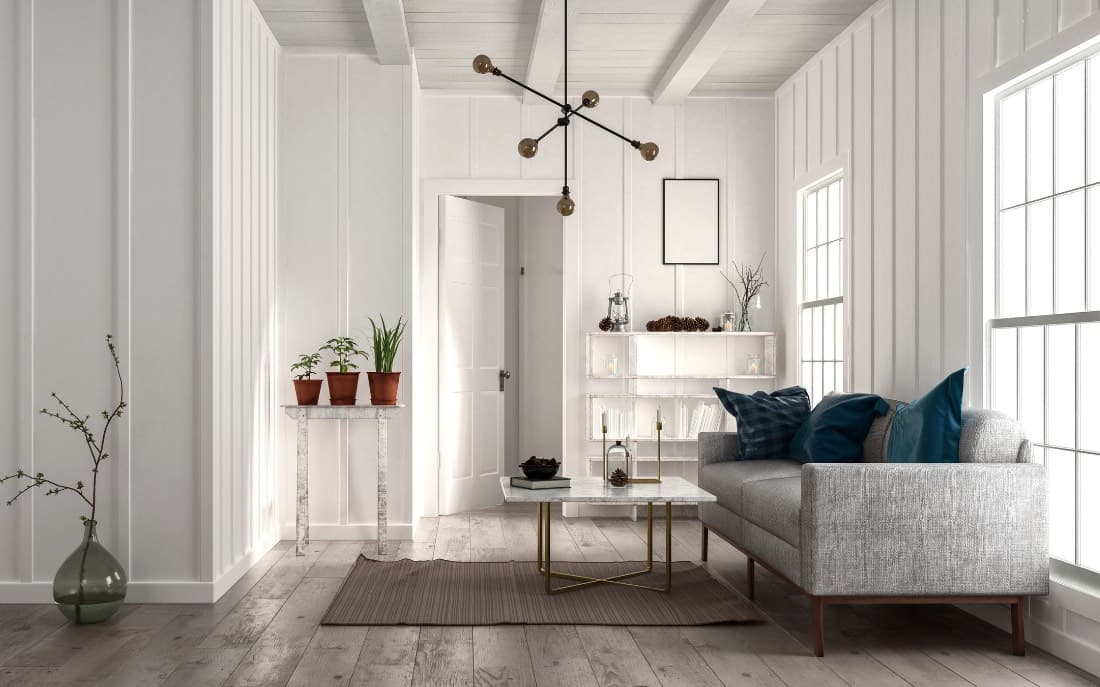
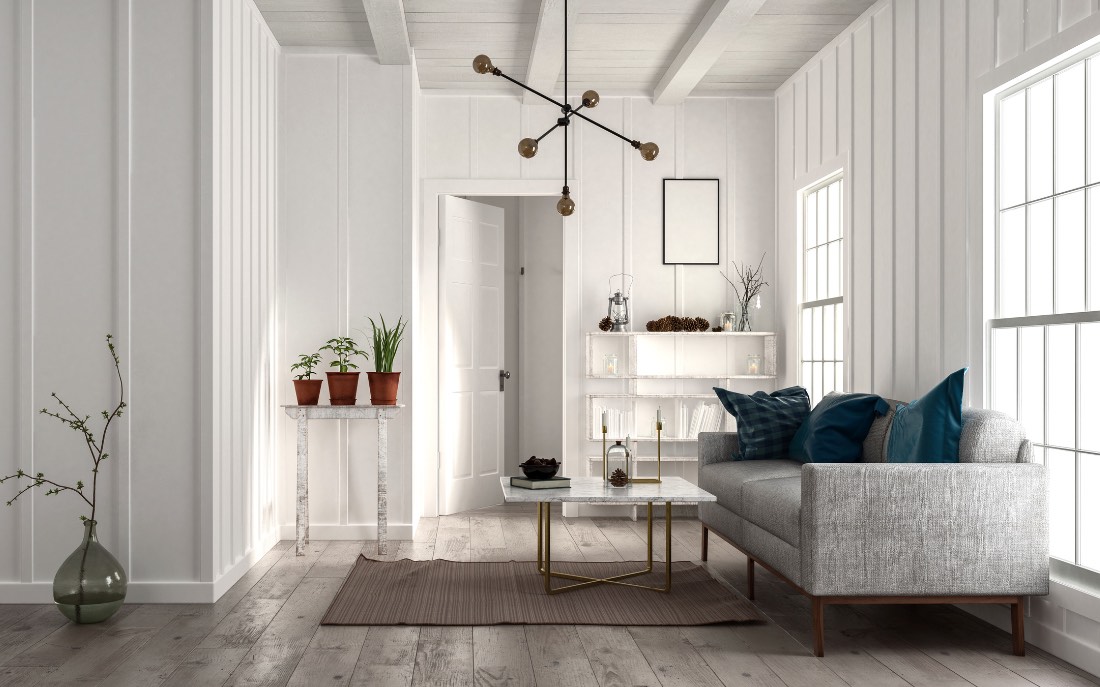
Furnishing a small house may seem like a challenge, but it is actually an opportunity to experiment with intelligent solutions that combine functionality and aesthetics. Even small spaces can be welcoming, elegant and, above all, well organised. The secret lies in finding the right balance between practicality and style, taking advantage of every corner with custom-made furnishings, strategic colors and space-saving solutions. The goal is not only to bring in everything necessary, but to do so with taste, creating a harmonious and pleasant environment to live in.
In this article we will explore ideas and advice for optimizing spaces without sacrificing elegance, transforming even the smallest sizes into functional and refined environments.
Maximizing Spaces with Multifunctional Furniture
In a small house, every piece of furniture must have its own precise function, or better yet, more than one. Multifunctional furniture is a precious ally for saving space without sacrificing comfort. A sofa bed, for example, allows you to have a cozy living area during the day and a comfortable bed at night, without taking up more space than necessary.
Beds with integrated containers also offer a practical solution for storing linens, clothes or objects that are not used every day. The extendable consoles, perfect for those who love to receive guests, transform from small desks to larger dining tables when necessary. Wall shelves and wall units help to exploit the height of the room, freeing up floor space and making the rooms more airy.
Another trick is to choose suspended furniture or furniture with thin legs, which allow you to see the floor and give a feeling of greater spaciousness. For example, a suspended TV cabinet rather than resting on the ground helps to create a sense of lightness and order.
The Importance of Colors to Expand Space
Colors influence the perception of space significantly. For small rooms, light shades are the best choice because they reflect natural light and make the rooms seem larger. White, beige and pastel shades are perfect for walls, while color accents can be introduced through furnishing accessories such as cushions, carpets or paintings.
If you want to add a bit of character without weighing down the room, a colored or wallpapered wall can become the focal point of the room, giving personality without compromising the perception of the space. Monochromatic colors are also a winning choice, because they avoid too many visual interruptions and create a sense of continuity and fluidity between rooms.
Lighting: The Key to Expanding the Perception of Space
Light plays an essential role in the furnishing of a small house. Good lighting can make a room feel larger and airier. Making the most of natural light is essential: light or transparent curtains, instead of heavy and dark curtains, allow light to filter freely, visually expanding the space.
Artificial lighting must be well distributed. It's best to avoid a single central light that creates harsh shadows and instead choose multiple strategically placed light points. Wall lamps or directional spotlights are excellent solutions for illuminating specific corners without taking up space. Mirrors are another foolproof trick for amplifying light and giving the illusion of a larger space: placed in front of a window, they reflect natural light and double the perception of the room's depth.
Creating Distinct Zones Without Separating Too Much
Even in a small environment it is important to define the different functions of the space. Separating without dividing is possible thanks to lightweight solutions such as open bookcases, carpets that visually delimit the different areas, or sliding panels that, if necessary, allow spaces to be separated without creating permanent barriers.
A well-organized open space can becomecreate a dynamic and multifunctional environment, in which each area has its own identity without losing fluidity. If the living room is also a work area, a folding desk or a closed piece of furniture can transform the function of the room in a few seconds. The same goes for the kitchen, where a foldaway table can solve the issue of space without sacrificing practicality.
Customized Furniture: A Perfect Solution for Small Homes
In some cases, the best solution to make the most of the space is to opt for custom-made furniture. A wardrobe that extends up to the ceiling offers greater storage capacity than a standard one. Raised beds with integrated containers or desks allow you to exploit every available centimeter without sacrificing order.
Unused corners can become small closets, while an equipped wall can enclose the TV area, bookcase and desk in a single structure. Even in small kitchens, tailor-made solutions allow you to have everything you need, optimizing spaces that are difficult to manage with traditional furnishings.
Details and Furnishing Accessories that Make the Difference
Even if space is limited, decorative details should not be overlooked. Minimalist furnishings with attention to detail can give character without overloading the environment. Soft fabrics, pillows, curtains and rugs help make the space feel cozier without taking up too much physical space.
Houseplants are perfect for adding freshness and a natural touch, without necessarily taking up space. Plants such as pothos, ferns or succulents can be placed on shelves or suspended for decoration without taking up useful space.
The frames and works of art must be well balanced: better a few carefully chosen than too many which create visual confusion. Even accessories in natural materials, such as light wood or rattan, add warmth and lightness without weighing down the environment.
Furnishing a small house without sacrificing style is possible with the right strategies. Choosing multifunctional furniture, taking advantage of high walls, playing with light and colors, and organizing the space intelligently allows you to obtain beautiful and functional environments, without ever making them seem too full or suffocating.
Every choice must be designed to maximize liveability, without forgetting the pleasure of living in a well-kept and harmonious environment. With a pinch of creativity and attention to detail, even a small house can be transformed into an elegant, practical and welcoming space.