Blog
How to decorate with plants
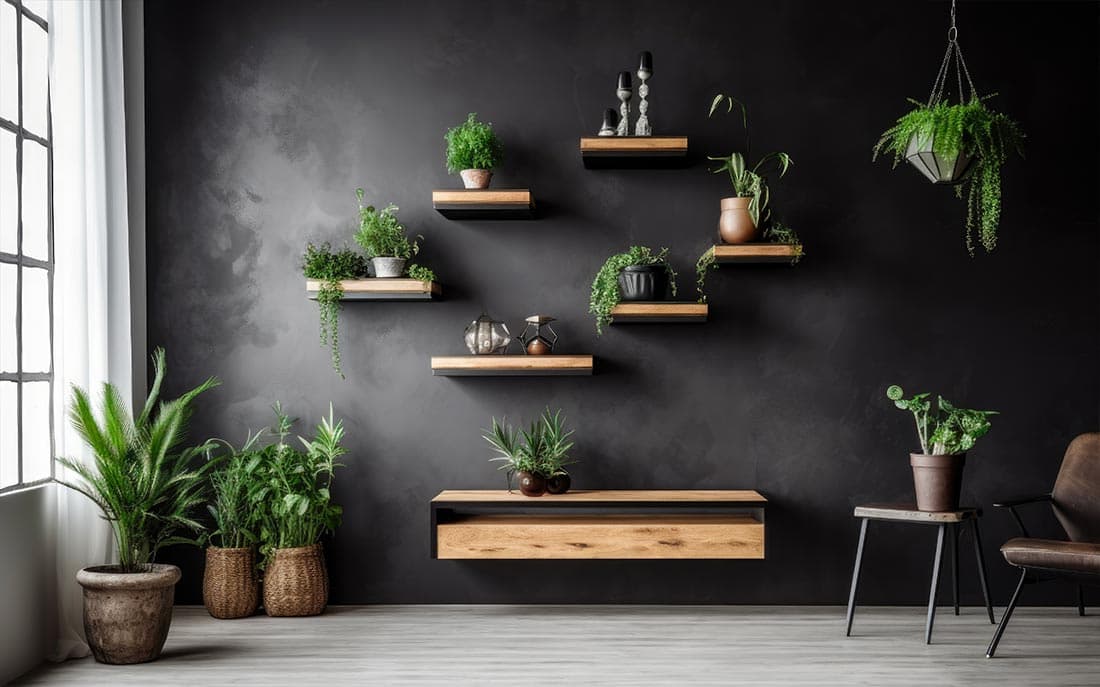
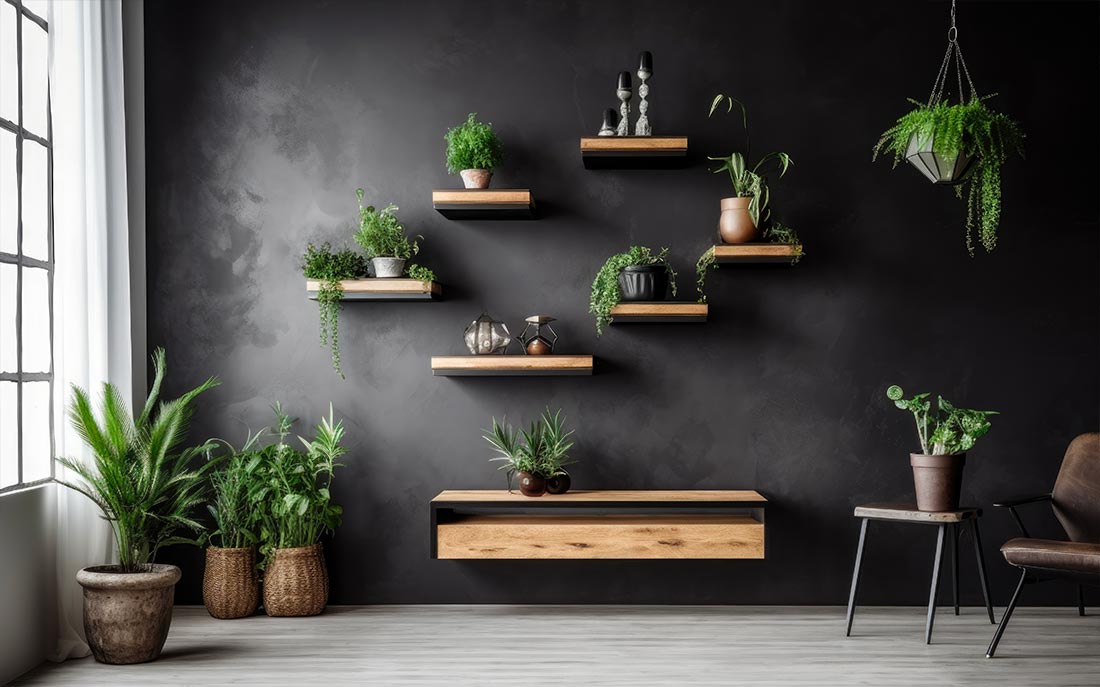
One of the interior design trends 2024 is undoubtedly the art of furnishing with plants. This not only gives a natural touch to interior spaces, but also helps to create a fresh and lively atmosphere, ideal for those who wish to evoke a sense of tranquility and well-being in their homes.
The furnishing plants, in fact, are not just a furnishing accessory; they represent a real design element, capable of transforming and enhancing any space, from the largest to the most intimate. Giving a touch of green to your spaces not only promotes visual well-being, but also physical well-being: plants, in fact, improve air quality, reducing pollutants and releasing oxygen. But how to choose the right plants and position them strategically? This article will provide you with practical tips and creative ideas for successfully integrating nature into interior design.


How to choose indoor plants?
To furnish with plants strong> it is necessary to consider each plant as a piece of furniture in itself, capable of influencing the atmosphere of an entire room. However, not all plants are suitable for every environment. Light, temperature and humidity are just some of the factors to consider when you decide to introduce decorative plants into your home.
For bright environments and well exposed to natural light, plants such as the Ficus elastica or the Sansevieria can be considered. These plants love direct light and can thrive even in warm conditions. If, on the contrary, we have dimly lit spaces or shaded areas, the Calathea or the Maranta are ideal choices. With their colorful leaves and their particular designs, they manage to give life to even the darkest corners of the house.
For environments with high humidity , such as bathrooms or kitchens, the Spathiphyllum , commonly known as the "Peace Plant", is perfect. This plant loves humidity and can help purify the air of common pollutants. Finally, for those who don't have a green thumb but still want to decorate with plants, succulents or cacti are ideal. They require little care and attention and hold up well even in drought conditions.
How to arrange plants in the apartment: a practical guide
The arrangement of indoor plants is not just an aesthetic choice, but can significantly influence both the visual appearance and functionality of a space. The key is to harmonize the greenery with the other furnishing elements, creating a harmonious and relaxing environment.
Here are some suggestions for finding the right balance between furniture and plants:
Focal points:
Choose a few large plants, such as the Monstera or the Kentia Palm , and place them in strategic corners of the room to create eye-catching focal points that capture attention and guide the eye.
Take advantage of heights:
Don't limit yourself to floor level. Use shelves, stands or suspensions to arrange plants of different heights. This helps you create depth and dynamics in the room, offering a layered viewing experience. Pothos, philodendrons or hanging plants such as the Chlorophytum Comosum are ideal for this type of arrangement.
Take advantage of the walls:
The use of vertical panels or hanging gardens is an innovative way to introduce greenery without taking up valuable floor space. This can be particularly useful in small environments, where every centimeter counts and where it is essential to optimize spaces.
Furnishings and plants: how to find the right balance
Design plants have taken on an increasingly important role, becoming not only decorative components but real furnishing elements. The challenge is to combine the design of the furniture in an innovative way with the natural charm of the plants , to give the spaces a feeling of freshness, vitality and harmony.
Here are some considerations for a winning combination between plants and furniture:
Aesthetic resonance:
It is essential that there is coherence between the type of plant chosen and the style of the furniture. For example, a Sansevieria, with its clean and modern lines, pairs perfectly with furniture with a contemporary and minimal design.
Play of volumes and proportions:
The combination of an imposing piece of furniture and a thin plant can create an unbalanced effect. Likewise, light furniture and a bulky floor plan can create a feeling of overcrowding.
Flexibility in positioning:
Many designer furniture pieces are designed with plants in mind. For example, shelves and bookcases can offer spaces specifically designed to accommodate vases and plants, creating dynamic and original compositions.
The integration of designer plants within living spaces, in synergy with furniture, is a practice that goes beyond simple decoration: it becomes a form of art, a way to express one's personality and create a welcoming and sophisticated atmosphere.
Trust our team of interior decorators. Based on your specific needs, they will be able to provide you with advice on how to decorate with plants and planning, interior design and renovation services. Contact us to find out how we can help you!