Blog
Decorating with accessories: the details that make the difference
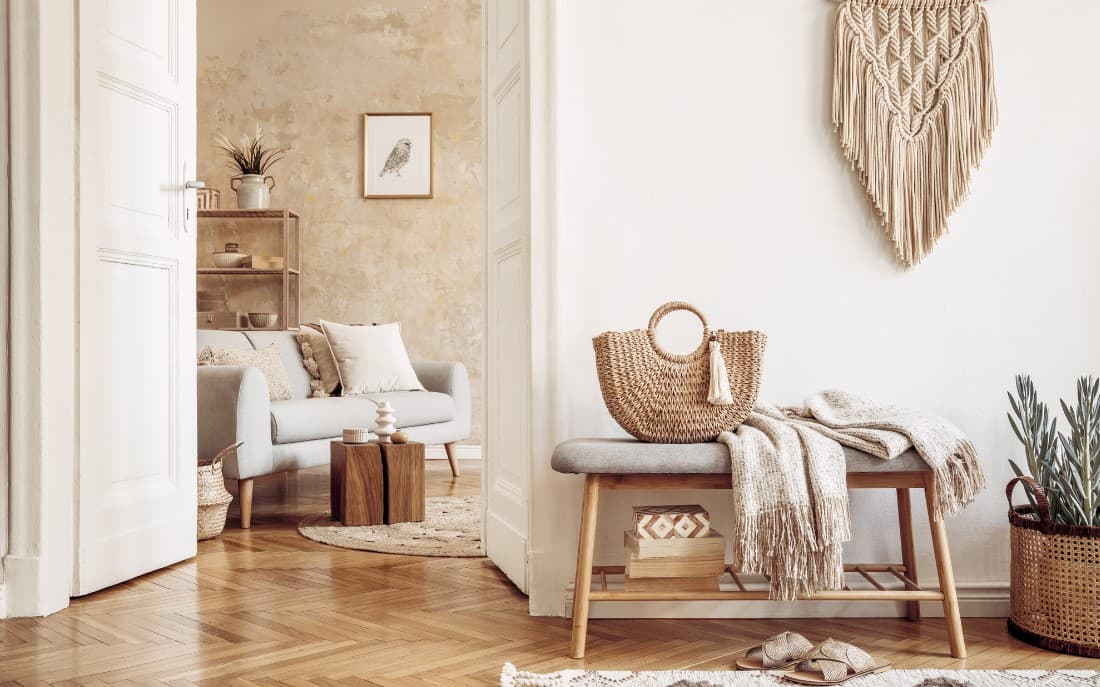
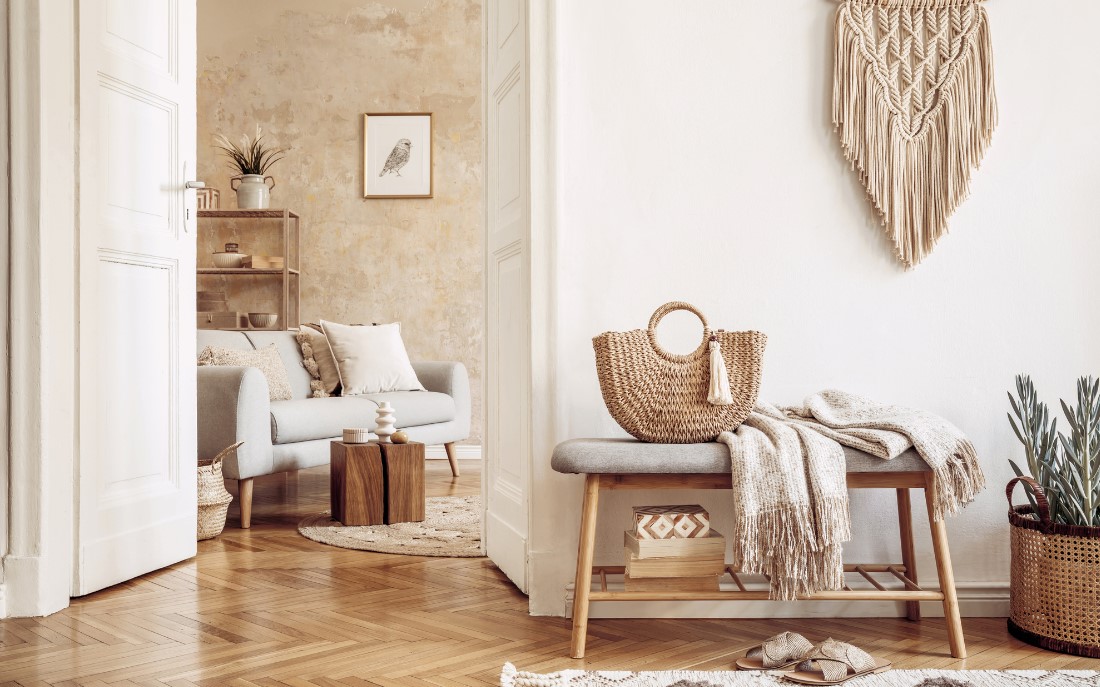
Decorating with accessories is an art that can transform a space, making it unique and personal. Accessories are those small details that, if carefully chosen and arranged, add character, color and style to any environment.
This article guides you on how to select and arrange decorative accessories to achieve a space that reflects your taste and personality.
Why Accessories Are Important in Interior Design
Decorative accessories, such as pillows, rugs, artwork and small ornaments, have the power to update a room without requiring structural changes. Here are some reasons why accessories are essential in interior design:
Personalization
Accessories allow you to express your style, giving a personal touch to the home.
Adding Color and Texture
They enrich the color palette of an environment and introduce tactile elements that create contrast and depth.
Flexibility and Renewal
Accessories are easy to change, allowing you to update the look of a room with the changing seasons or mood.
Types of Accessories for Every Environment
Accessories can be divided into different categories based on their function and aesthetic impact. Here are some of the most common types and how to integrate them into any environment.
Cushions and Fabrics
Pillows and fabrics add comfort and color, and can be easily replaced to change the look of a room. In the living room, colored cushions and wool or cotton blankets enrich the sofa and armchairs, creating a feeling of warmth and welcome. In the bedroom, soft fabrics and decorative pillows add elegance and a touch of luxury.
Carpets
Rugs border the space and add warmth. A rug under the dining table or sofa helps define the area and create a visual focal point. Rugs made from natural fibers, such as cotton and wool, are ideal for creating a welcoming atmosphere.
Mirrors
Mirrors are versatile accessories that can visually expand the space and reflect light. A mirror placed above a fireplace or on a free wall adds depth and brightness, making the room seem larger and airier.
Works of Art and Photographs
Paintings, prints and photographs tell a story and personalize environments. They can be arranged in a gallery wall to create a dynamic and artistic effect or displayed individually as a focal point in a minimalist setting.
Works of Art and Photographs
Paintings, prints and photographs tell a story and personalize environments. They can be arranged in a gallery wall to create a dynamic and artistic effect or displayed individually as a focal point in a minimalist setting.
Plants and Flowers
Plants add life and freshness, while also improving air quality. A large house plant can become a focal point in the living room, while smaller plants are perfect for the bathroom or kitchen.
Accessories for Every Room in the House
Each room in the house has different needs in terms of decoration and functionality. Here are some tips on how to choose and arrange accessories based on the room.
Living room
The living room is the environment where you spend your timere most of the time and where you welcome guests, so it is important that it is welcoming and comfortable. Cushions and throws add color and texture, while a combination of floor and table lamps allows for layered lighting. The furnishings are completed by ornaments such as vases and scented candles which add warmth and intimacy.
Bedroom
In the bedroom, accessories must create a relaxing and comfortable atmosphere. Decorative pillows, blankets and soft fabrics are great for adding a touch of luxury. Bedside lamps, mirrors and small ornaments complete the environment, transforming it into an oasis of relaxation.
Kitchen and Dining Room
Even in the kitchen and dining room, accessories play an important role. Items like decorative jars, fruit bowls and flower vases add a pop of color and freshness. In the dining room, an elegant centerpiece and quality tablecloths make the space more inviting and enjoyable.
Bathroom
In the bathroom, accessories such as baskets, candles and small plants are perfect for creating a relaxing and spa-like atmosphere. Mirrors serve a practical function, but they can also be decorative, adding a touch of style.
Choose Colors and Textures for Accessories
The choice of colors and textures is essential to create a harmonious and coherent environment. Here are some tips on how to use colors and textures in accessories.
Choose a Color Palette
To maintain visual consistency, choose one main color palette and use accessories in these shades. You can play with different shades of the same color to create depth or add a bright accent color to liven up the room.
Add Texture
Textures add contrast and visual interest. Mixing different materials, such as wood, metal, glass and fabrics, creates a dynamic and welcoming effect. For example, in a modern living room, a wool rug or velvet cushion can add warmth and comfort.
Accessory Arrangement Techniques
The arrangement of accessories is an art that requires balance and harmony. Here are some techniques for arranging accessories effectively.
Symmetry and Asymmetry
Symmetry creates a tidy and balanced look, ideal for classic and elegant styles. Arranging accessories asymmetrically, however, gives a more dynamic and modern look. For example, you can place two candles of different heights on one side of a coffee table, balancing the other side with a small vase.
Creating Layers
Creating layers means arranging objects in the foreground, second and third floors to give depth. For example, on a coffee table, you can place a decorative tray with a candle and a plant, putting a book or magazine in the background.
Maintaining Balance
It is important to avoid overloading the space with too many accessories. Balance is achieved by choosing a few quality elements that have a strong visual impact, keeping areas free to avoid a suffocating effect.
Seasonal Accessories: Renovating Spaces During the Year
Seasonal accessories allow you to renew the look of your home throughout the year, following the change of seasons and holidays.
Spring and Summer
In spring and summer, prefer fresh colors and light fabrics such as cotton and linen. Add fresh flowers, scented candles and brightly colored accessories to bring freshness and cheer.
Autumn eWinter
For autumn and winter, opt for warm materials such as wool, velvet and leather. Cushions and throws in warm colors, such as red and orange, create a welcoming atmosphere. Candles and soft lighting add a touch of intimacy ideal for the colder months.
Customization: Making a Home Your Own Space
Accessories allow you to tell your story and make your home unique. Personal items, such as photographs, travel souvenirs and artwork, add value and character. Don't be afraid to dare with pieces that reflect your tastes: they will be the ones that make the space truly yours.
Decorating with accessories is a versatile and creative way to transform any environment. From cushions to paintings, each element contributes to giving character and personality to the home. By choosing and arranging accessories carefully, you can create a space that is not only beautiful, but also comfortable and unique.