Blog
The art of decorating with plants: benefits and ideas for a greener home
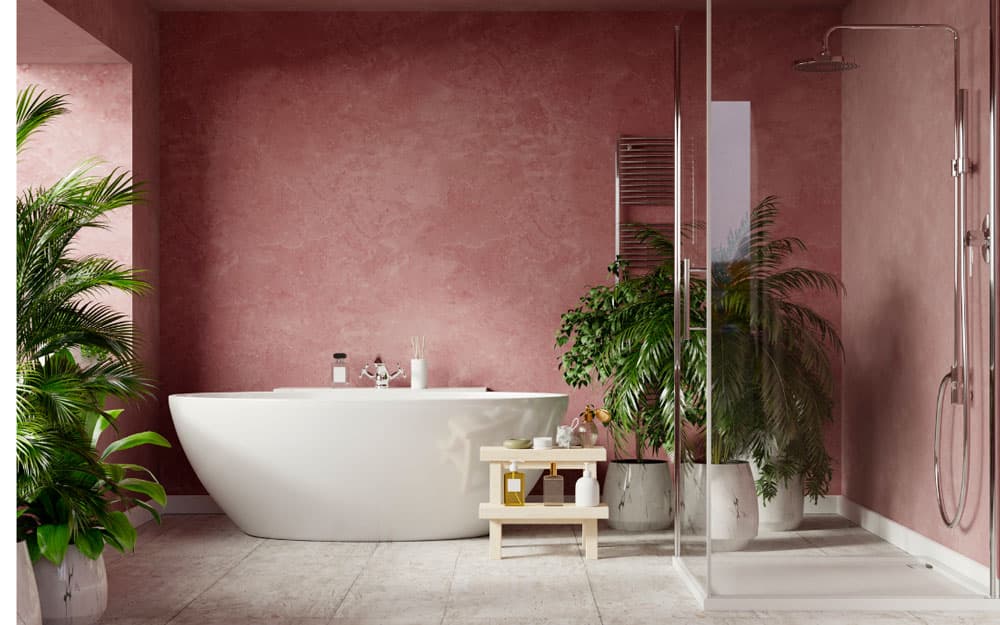
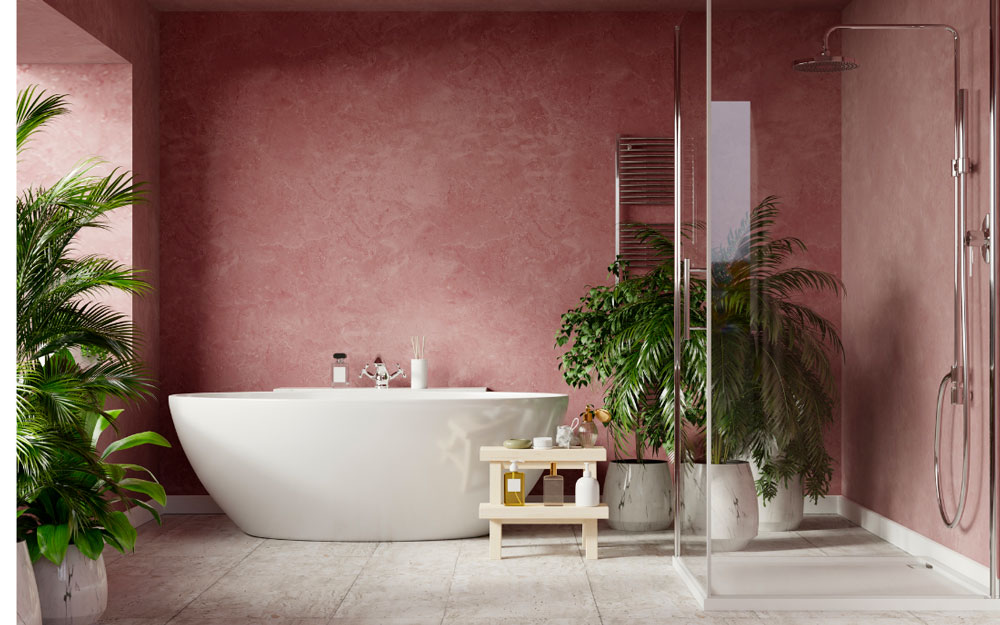
In recent years, decorating with plants has become much more than a simple aesthetic trend: it is a real philosophy that brings well-being and harmony to domestic environments. Integrating greenery into interior spaces not only adds a natural and welcoming touch, but also offers numerous benefits for health and quality of life.
Plants improve air quality, create a relaxing atmosphere and help make every environment more livable and dynamic. Furthermore, thanks to their incredible variety of shapes, colors and sizes, they can adapt to any furnishing style, from minimalist to industrial, from classic to Scandinavian.
In this article we will discover the fundamental principles of minimalism in furnishing, exploring strategies to eliminate the superfluous. In this article we will discover the benefits of furnishing with plants and the best ideas for inserting them into domestic spaces with style and elegance.
Why Decorate with Plants? The Benefits of Greenery at Home
Indoor plants are not only beautiful to look at, but they bring a series of concrete advantages for the home and the well-being of those who live there.
1. They improve air quality
Plants have the ability to absorb carbon dioxide and release oxygen, helping to make the air healthier. Some species, such as Sansevieria or Ficus, are particularly effective in eliminating toxic substances present in the environment, such as formaldehyde and benzene.
2. They increase psychophysical well-being
The presence of plants in the home has a calming and relaxing effect. Scientific studies have shown that contact with greenery helps reduce stress and anxiety, improving our mood and productivity.
3. They Add a Touch of Style
Plants are a natural and extremely versatile furnishing accessory. They can be used to fill empty corners, create visual separations between rooms or add color and vitality to neutrally styled rooms.
4. They promote the natural humidification of the air
Species such as Fern and Spathiphyllum release humidity into the air, helping to maintain an optimal humidity level in the home, especially in the drier months or in environments with heating on.
5. They improve the acoustics of rooms
Plants with large, dense leaves, such as Ficus Lyrata or Monstera, help absorb noise and reduce echoes in rooms with few soft surfaces, such as those with wooden floors or bare walls.
How to Integrate Plants into Furnishings: Ideas for Every Style
Now that we have seen the benefits of plants at home, let's see how to harmoniously insert them into domestic environments.
1. Green Corners to Fill Empty Spaces
If you have a corner of your home that feels bare, a large plant can become the focal point of the room. Ficus Lyrata or Kentia are perfect for filling vertical spaces and giving a sense of depth to the environment.
To avoid weighing down the space, you can place the plant in a decorative vase with an essential design, made of ceramic or concrete, for a minimalist and sophisticated effect.
2. Suspended Plants for a Scenic Effect
Hanging plants are an excellent solution for those who have little space on the floor or want to add a touch of lightness to the environment. Ferns, Pothos and Senecio Rowleyanus (also known as string of pearls) are perfect for hanging in hanging pots or high shelves.
This solution is ideal for small environments, such as bathrooms and kitchens, where it is necessary to optimize the space without giving up greenery.
3. Compositions of Plants on Shelves and Bookcases
If you want to integrate greenery into your home without taking up floor space, you can create plant compositions on shelves or inside a bookcase. Alternating books and decorative objects with plants such as Sansevieria, Cactus or Aloe Vera adds dynamismand freshness to the environment.
For a more dramatic effect, choose plants with drooping leaves, such as Ivy or Pothos, which create a natural and relaxing effect.
4. Mini Tabletop Gardens for an Elegant Touch
Another creative idea for decorating with plants is to create mini tabletop gardens. Using small designer vases or glass terrariums, you can combine different plant species for a refined and modern decorative effect.
Bonsai, succulents and succulents are perfect for this solution, because they require little maintenance and adapt well to small spaces.
5. Green Walls and Vertical Gardens
If you love plants and want to transform an entire wall into a natural element, you can opt for a vertical garden. This solution is perfect for those who want a strong visual impact and a tropical atmosphere in their home.
There are modular panels on which to insert plants such as ferns, stabilized moss and tropical plants, ideal for modern and minimalist environments.
How to Choose the Right Plants for Every Environment
Not all plants are suitable for every room in the house. Here are some indications for choosing the most suitable species depending on the room.
Living Room: Decorative and Large Plants
For the living room, large plants such as Ficus, Monstera Deliciosa and Kentia are perfect for creating a welcoming and sophisticated atmosphere.
Bedroom: Plants That Purify the Air
In the bedroom it is better to opt for plants that improve air quality and release oxygen during the night, such as Sansevieria and Aloe Vera.
Cuisine: Aromatic and Resistant Plants
The kitchen is the ideal place to grow aromatic plants such as basil, rosemary and mint, which in addition to decorating the space can be used in the kitchen.
Bathroom: Moisture-Loving Plants
If you want to add a touch of green to the bathroom, choose plants that love humidity, such as Fern, Pothos and Bamboo.
How to Take Care of Plants at Home
Decorating with plants also requires a certain amount of care to keep them beautiful and healthy.
Light and Positioning: Each plant has different light needs. Some require direct light, while others thrive better in shaded areas.
Watering: Avoid watering too often and always check the soil moisture level.
Fertilization: Feed the plants with specific fertilizers to promote growth.
Integrating plants into interiors is not just an aesthetic choice, but a real lifestyle. In addition to making environments more welcoming and refined, plants improve air quality and general well-being.