Blog
The return of materiality: stone, wood and iron for spaces that feel authentic
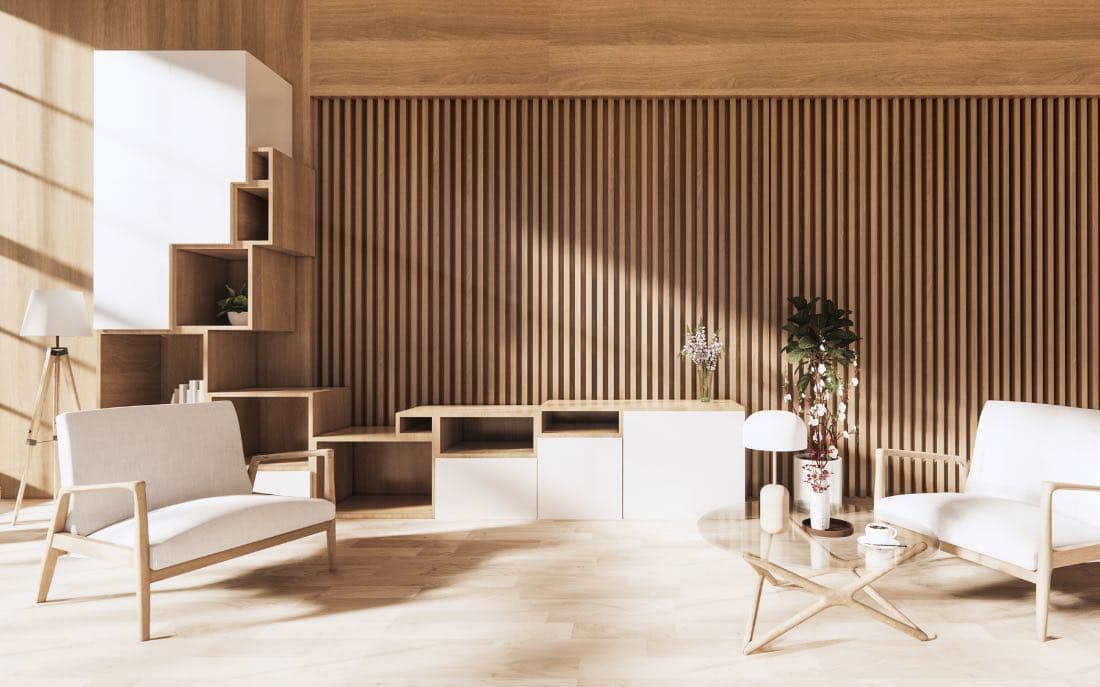
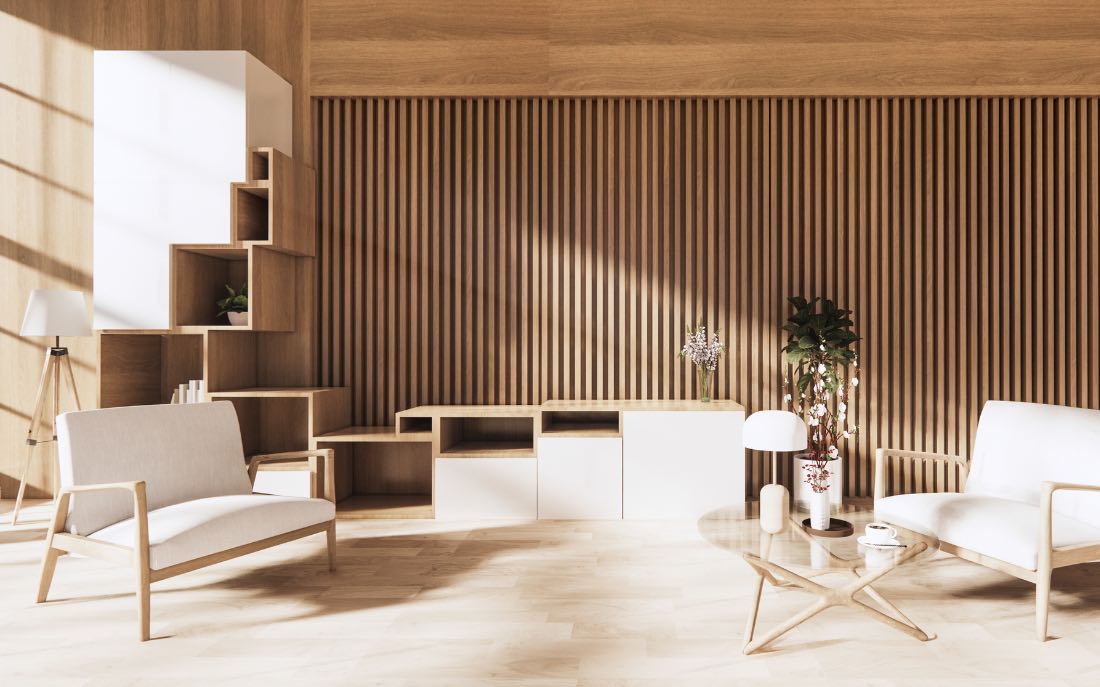
In recent years, in the world of interior design, we are witnessing an interesting change: after periods dominated by ultra-smooth surfaces, synthetic materials and almost aseptic minimalism, there is a return to the desire for real textures, living materials, surfaces that tell stories. Stone, wood and iron are the protagonists of this rebirth of materiality, which brings a profound need back to the center of living: to feel spaces not only with the eyes, but with the hands, with the senses, with emotion.
This return is not just an aesthetic trend, but a response to a contemporary need. In an increasingly digital world, made up of perfect screens and images, the need for authenticity is growing. The home becomes the place to regain contact with reality, where natural and imperfect materials restore warmth and roots. Materiality is therefore an aesthetic choice, but above all an emotional one.
Stone: timeless solidity and elegance
Stone is one of the oldest materials used for building and decorating, yet it never loses its charm. Bringing it into interiors means inserting an element that tells of history, nature, permanence. It's not just a covering: it's a presence.
The beauty of stone lies in its ability to be both rustic and elegant. A rough stone wall in a modern living room creates a vibrant contrast that adds character, while a polished slab in the bathroom conveys order and sophistication. Each type of stone has its own voice: delicate travertine, dark and powerful slate, marble with its unique veins.
In addition to aesthetics, stone brings with it a tactile and sensorial quality that is difficult to imitate. Cool to the touch, solid under the fingers, it provides a sense of stability that few other materials can provide. Even in small doses – a niche, a worktop, a frame – it manages to give depth and identity to a space.
Wood: warmth, welcome, nature
If stone speaks of solidity, wood speaks of life. It is the material that, more than any other, can give warmth to a home. Each essence has its own character: oak with its balanced tones, walnut with its depth, pine with its lightness. But beyond visual variety, wood brings with it an emotional quality: it makes every space more welcoming.
In an era in which sustainability and connection with nature are sought, wood also becomes a declaration of intent. Using it for floors, coverings, furnishings or details means inserting a living element into the home, which changes over time, which bears traces of those who work there and those who live there.
An interesting aspect is its versatility: it can be raw and material in a contemporary rustic style, or smooth and linear in a minimal project. It can be structure, decoration, a warm surface underfoot or a detail that breaks the coldness of other materials.
Iron: character and lightness
Iron is perhaps the most surprising material of this trio. Often associated with coldness and industrialism, in recent years it has been experiencing a
new season in interior design thanks to its ability to combine strength and visual lightness.
Used for exposed structures, thin railings, glass doors or accessories, iron gives a decisive touch without weighing it down. Its materiality is different from that of wood and stone: it speaks of precision, of clean lines, but at the same time of manual skill and craftsmanship. Even when treated minimally, it always retains a “true” vibration that makes it authentic.
The most iconic combination is the one with glass: glass doors and walls with black iron profiles have conquered contemporary design because they allow you to divide without closing, giving rhythm and personality to the spaces.
The charm of imperfection
What links stone, wood and iron is a characteristic that makes them so desirable today: imperfection. Veins, knots, marks, natural variations are not defects, but stories. Each surface is unique, unrepeatable, alive. It is an aesthetic that contrasts seriality and the obsessive search for digital perfection, bringing interior design back towards something more human.
A wooden floor that ages gracefully, a stone with different veins, an iron that brings light nuances of workmanship: they are all elements that give personality and make the house feel lived-in, real, welcoming.
Materiality and light: a powerful combination
One of the most fascinating aspects of material materials is their relationship with light. A stone wall creates shadows and reliefs that change throughout the day, a wood with a strong texture plays with warm reflections, a satin iron surface captures the light discreetly. Light enhances materiality and materiality enhances light, creating visual dynamics that make the environment come alive.
This dialogue is one of the reasons why the use of these materials, even in small quantities, has such a strong impact: they transform the perception of a space without the need for bright colors or intrusive decorations.
Combining stone, wood and iron
One of the most interesting trends is the combination of these materials with each other. Stone and wood create a balance between solidity and warmth, iron and wood play between strength and hospitality, stone and iron give a strong and contemporary character.
Working with these contrasts means building a language made of tactile and visual sensations. The key is always measurement: a few well-chosen elements can be enough to give soul to a project without overloading it.
A return to the origins with a contemporary look
The "return" of materiality is not a nostalgic step back, but a new way of interpreting ancient materials. Technology allows us to work stone, wood and iron in innovative ways, maintaining their essence but adapting them to contemporary needs. It is a bridge between past and present, between tradition and current design.
Using these materials does not just mean following a trend, but responding to a need: surrounding yourself with elements that have weight, consistency, truth. In a house made of real surfaces, perception changes: you feel more rooted, more connected, more "at home".
Materiality as emotion
Stone, wood and iron have in common the ability to evoke emotions without the need for excess. They are materials that speak softly, but leave their mark. Their presence creates atmospheres that are never forgotten, spaces that convey authenticity and warmth.
The material design reminds us that an interior is not just a question of aesthetics but of sensations. Touching, seeing, feeling the material is what makes an environment truly alive. In an era in which everything tends to become digital and immaterial, bringing these materials back into the home is a gesture that brings us closer to what is real.
Connection spaces: how to design common areas that foster relationships and conviviality.
A house is not just made up of rooms, but of the relationships that arise within them. If we think about it, the most intense and experienced moments almost always happen in shared spaces: an impromptu dinner, a chat in the kitchen, a film seen together in the living room. This is why in recent years interior design has begun to give a new value to common areas: no longer simple passage or functional areas, but real places of emotional and social connection.
Designing spaces that encourage conviviality means understanding not only how we live in the home, but also how we want to experience relationships within it. It is a work that combines aesthetics, functionality and the psychology of living, creating environments that not only host but facilitate meetings.
The importance of common areas
Shared spaces are the beating heart of a home. It's not just living rooms or kitchens, but any place where people can gather and interact. An open space, a dining room, a conversation corner: these are the areas that create memories and give identity to a home.
Designing these areas well means giving them a precise role: they must be welcoming, functional and capable of adapting to different moments, from everyday life to parties. But above all they must be spaces that invite you to stay, that make those who live there feel good.
The kitchen as the hub of the home
If there is an environment that has completely changed its role in recent years, it is the kitchen. From a hidden and purely functional space it has become the new center of the house. Today many kitchens open onto the living area, creating a unique environment where you can cook, talk and share.
This is not just an aesthetic choice but a reflection of how we live relationships: the preparation of food is no longer an isolated gesture but a moment of aggregation. A central island that becomes a work surface and convivial table, a peninsula that connects the kitchen to the living room: these are solutions that transform a function into a social experience.
Living: more than a living room
The living room is also evolving: it is not just the place to watch TV, but a multipurpose space for reading, entertaining friends and relaxing. The arrangement of the furnishings plays a key role: creating conversation points, encouraging eye contact, maintaining flexibility.
Sofas that "look at each other", armchairs that create cozy corners, tables that invite sharing: each element can contribute to making the living room a space where being together is natural.
Create connection without total open space
Not everyone likes or can have large open spaces. But creating connecting spaces doesn't necessarily mean tearing down walls. Even more intimate environments can encourage conviviality if designed intelligently.
A visual passage between the kitchen and living room, an internal window that connects two rooms, a glass door that separates without completely closing: small measures that maintain a feeling of openness and relationship between different spaces.
The atmosphere as a glue
Conviviality is not just about square meters, but about atmosphere. Warm lights, materials that convey comfort, comfortable seats, personal elements that describe the home: everything contributes to creating an environment where people want to stop and share time.
Colors also play an important role. Warm and natural tones tend to favor the feeling of welcome, while colors that are too cold or neutral can make the environment elegant but less emotional. The goal is always the same: to make those who enter feel good and invite them to stay.
Common spaces even outside the home
When we talk about connection areas, we don't just think about the inside. Balconies, terraces and gardens can become extraordinary places of conviviality if designed well. An outdoor table, a small lounge area, soft lights: simple elements that transform an outdoor space into an extension of the home and sociality.
Adaptability: the key to a lived-in space
A true connection space is flexible. It must be able to transform according to needs: welcoming two people for an intimate evening, but also hosting ten friends for a dinner. This requires versatile furnishings, intelligent arrangements and a dynamic approach to the project.
Extendable tables, movable seats, furnishings that adapt to circumstances are useful tools for keeping a space designed for relationships alive and functional.
Relationships and design: an inseparable combination
Designing common areas is not just an aesthetic question: it is a way to shape relationships. A space that invites you to sit together, look each other in the eye, share experiences, is a space that fosters bonds.
Interior design, in this sense, becomes a tool for creating human connections. It's not enough to design a beautiful kitchen or an elegant living room: you need to think about how that space will be experienced, what daily gestures it will accommodate, what emotions it will facilitate.
The home as a social space
In the end, home is not just a physical place but a sum of relationships. Designing common areas that encourage conviviality means building the stage of everyday life: the simple moments and the special ones, the conversations, the laughter, the sharing.
This is perhaps the deepest meaning of interior design: not just creating beautiful rooms, but places that unite, that welcome and that leave memories. Spaces that are not just walls and furnishings, but which become real bonds.