Blog
Living with coherence: giving the whole home one language
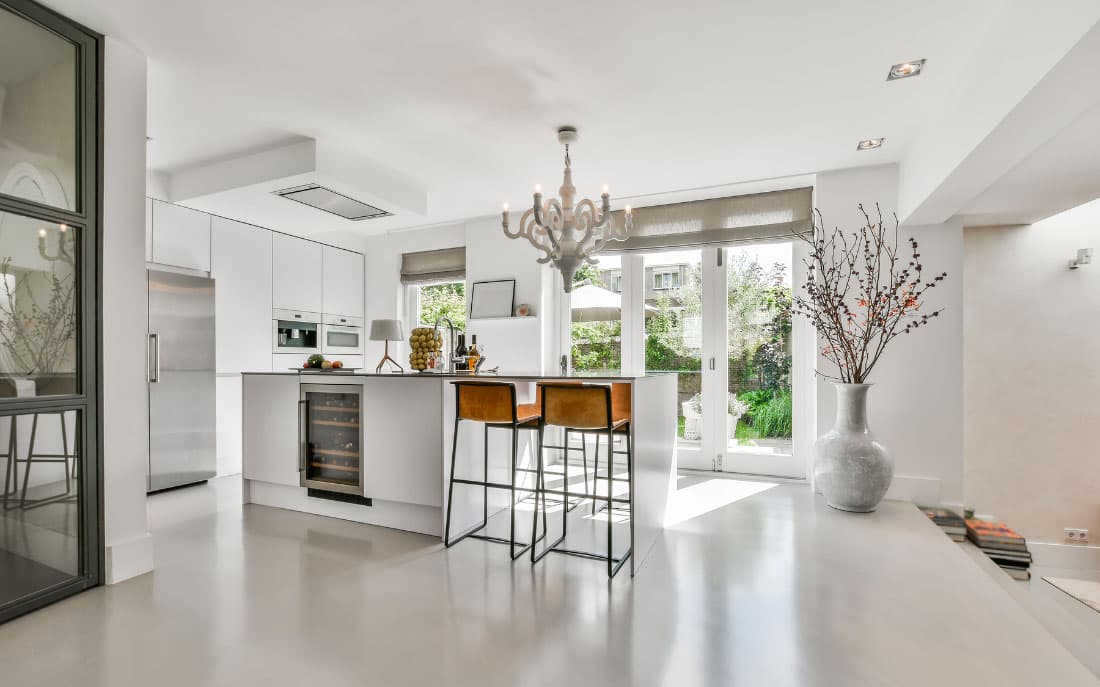
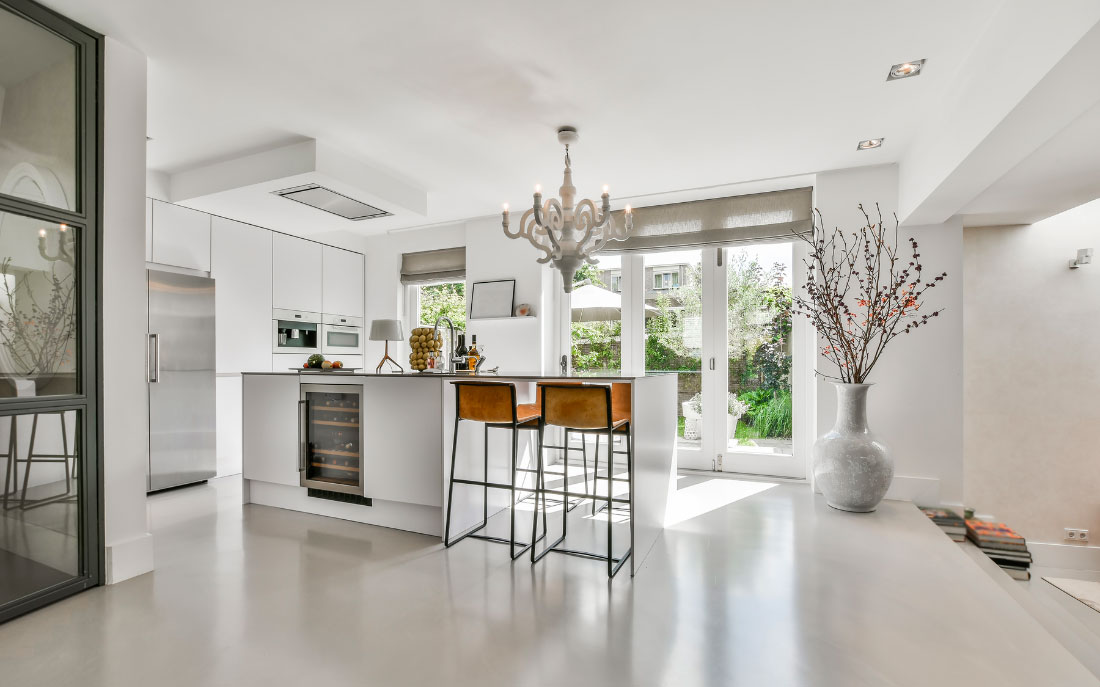
A well-designed home is not simply a collection of furnished rooms. It is a story that develops environment after environment, maintaining a logical, aesthetic and emotional thread that accompanies those who experience it. When you enter a coherent house, you immediately perceive: everything is in its place, each element interacts with the context, each space has its own identity, but none clash with the others.
This doesn't mean that everything has to be the same or monotonous. On the contrary, coherence in interior design is made of balance, delicate references, connections between colours, materials, lights and sensations. It means designing each environment as part of a whole, creating a fluid, harmonious and conscious living experience.
In this article we delve into what it means to live coherently, why it is important and what strategies to adopt to build (or rebuild) a single language that runs through the entire house.
Consistency is not repetition
One of the most common beliefs when it comes to stylistic coherence is that every room must have the same furniture, the same colors, the same materials. But that's not the case. Coherence does not mean flat uniformity, but rather continuity.
Each environment has different functional needs: a kitchen is not a living room, a bathroom is not a bedroom. It is natural, therefore, that each space develops its own identity. However, a successful project manages to keep all these differences together through common elements, visual fil rouge, material or chromatic references, narrative rhythms.
A coherent house is one in which, moving from one room to another, there is no clear interruption, no disorienting change of register. It is the one where, even if each space has its own character, there is a common thread, a clear and structured vision.
The value of a unique design language
The design language of a house is what makes it recognizable and personal. It is the set of stylistic, functional, material and chromatic choices which, put together, create a coherent, authentic sensation.
A clear design language allows you to avoid the "accumulation" effect that occurs when you furnish a house a little at a time, purchasing pieces at different times, according to tastes and needs that change over time. This fragmented approach often leads to an uneven result, where the spaces seem to belong to different houses.
On the contrary, starting from an overall vision - even if working on different phases - allows you to always maintain a direction. It's like writing a book: each chapter has its own story, but it's the tone, style and voice that hold the story together.
Color, materials, light: elements of continuity
One of the most effective ways to build a common language between environments is to work on the color palette. This doesn't mean always using the same color, but choosing tones that harmonize with each other. For example, if the living area is dominated by warm and earthy tones, the other rooms can also contain references to these shades, perhaps reversing the roles between accents and neutral surfaces.
Materials also play a central role: using the same wood species, the same type of metal or similar surfaces between the kitchen and living room, or between the bathroom and sleeping area, creates visual and sensorial continuity. A recurring detail is enough - a handle, a covering, a type of floor - to weave a narrative thread between different environments.
Finally, light is the most immaterial but also the most powerful element. A coherent project takes into account natural and artificial lighting in a transversal way, calibrating intensity, temperature and distribution of light to accompany the living experience in a uniform way, without abrupt breaks or penalized areas.
Functional coherence: designing for those who live
When we talk about coherence we cannot limit ourselves to the aesthetic aspect. A truly coherent home is one that authentically reflects the habits, rhythms and desires of those who live there. This means that planning must first of all be an act of listening and understanding.
Those who live in the house need to feel represented by the spaces, but also supported in their daily activities. The arrangement of the furniture, the distribution of the rooms, the relationship between open and closed environments, the presence of relational spaces and quiet areas... everything must respond to a thoughtful balance. And that thought, if carried forward consistently, is reflected in every decision.
An open and convivial living area cannot lead to a disorganized and cold sleeping area. A bathroom that is designed for relaxation cannot be isolated from the chaotic and fragmented rest of the house. Functional coherence means that each environment works together with the others to support a fluid and harmonious living experience.
Personality and style: finding your voice
Very often we are fascinated by the images found on social media, by current trends, by the "perfect" homes seen in magazines. But the truly coherent project is born when you have the courage to find — and follow — your own style.
An expert interior designer never imposes a taste, but helps the client discover their own. It accompanies him on a path of awareness, selects materials, proposes combinations, suggests alternatives... all with the aim of building a clear and personal living identity.
Coherence, in this sense, is also an act of authenticity: it means deciding what to keep, what to let go, what to tell about yourself through the space you inhabit.
When you need to rethink spaces to find coherence
We don't always start from scratch. We often find ourselves living in already furnished homes, with elements stratified over time, with choices that are not always conscious. In these cases, finding coherence may seem difficult, but it is far from impossible.
Just start with a reflection: which environments do I really feel are mine? Where am I most comfortable? Which materials, colors and atmospheres represent me the most? From here you can build a new housing map, made up of adjustments, replacements and reorganisations. Sometimes it is enough to rearrange the furniture, change a covering, replace some textiles to restore unity to the entire house.
Working with a professional at this stage can make the difference: it's not just about choosing "beautiful things", but about finding the right balance between what is there, what is needed and what it can become.
Living coherently means living in a space that resembles us, that welcomes us every day without forcing, that evolves with us while maintaining its harmony. It's not a question of rigid rules, but of intention: knowing where you want to go, even when you change direction.